Thomas recalls the final evening he spent with Jesus before the crucifixion, when Jesus told the disciples that He was going away to prepare a place for them and that they already knew the way. Unwilling to pretend he understood something he did not, Thomas asked the question others seemed reluctant to voice: “Lord, we do not know where you are going. How can we know the way?” Jesus responded with words that Thomas would spend the rest of his life contemplating: “I am the way, and the truth, and the life.” As at Bethany, where Jesus had declared, “I am the resurrection,” Thomas was confronted with a claim too large for his existing categories. Jesus was not merely offering to show the way to God; He was claiming that the way was found in His own person.
The crucifixion then shattered the framework Thomas had spent three years constructing. Everything he had observed pointed toward a man unlike any other: Jesus’ teaching withstood scrutiny, His character remained consistent, and His authority had extended even to raising Lazarus from the dead. Yet now Jesus Himself was dead. Unable to reconcile these apparently contradictory realities, Thomas withdrew into solitude to examine the problem. As a result, he was absent when the risen Jesus first appeared to the other disciples in the locked room.
When the disciples later told Thomas that they had seen Jesus alive, he refused to accept their testimony without direct evidence. His declaration that he would not believe unless he saw and touched Jesus’ wounds became the statement by which history would remember him. Yet Thomas explains that his response was not rooted in hostility or a desire to disbelieve. He desperately wanted the resurrection to be true because it was the only reality capable of reconciling everything he had witnessed during the previous three years. But a claim as extraordinary as resurrection required, for Thomas, evidence equal to the claim. He was not asking for permission to remain in unbelief. He was asking for something real enough to believe.
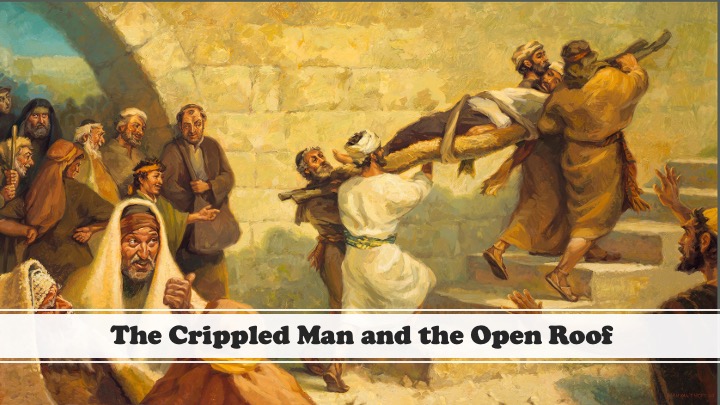
Today’s episode focuses on Jesus’ return to Capernaum, where crowds eagerly awaited Him. Amidst a packed house, four determined friends brought their paralyzed companion...
Jesus had a biological family: a mother and at least six siblings. He also had an adopted earthly father. However, Jesus invites us to...
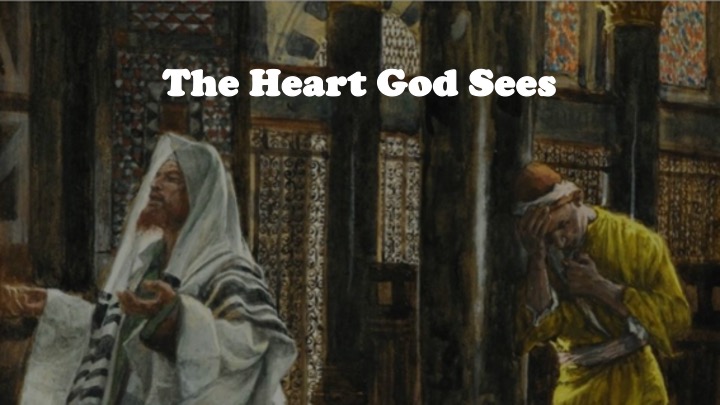
The Parable of the Pharisee and the Tax Collector (Luke 18:9-14) is a striking teaching delivered by Jesus to those "who trusted in themselves...