James reflects on the opening words of his letter, in which he urges believers to receive trials as opportunities for perseverance to complete its work. By approximately AD 62, political instability in Jerusalem gives the high priest Ananus an opportunity to move against him without immediate Roman interference. Because James is respected even beyond the Christian community, the authorities summon him to the Temple and attempt to use his credibility to persuade the people to renounce Jesus. Instead, James publicly declares that the Son of Man is seated at God’s right hand and will return in glory.
When the crowd responds in support of Jesus, James’ testimony seals his fate. According to the tradition preserved by Hegesippus, he is thrown from the Temple wall, survives the fall, and is found praying for those responsible before he is struck and killed. James refuses to dramatize the violence, focusing instead on the truth that remained constant until the end: he was still praying. His final witness reflects the example of Jesus, who also prayed for His persecutors while dying.
As James considers what it means for perseverance to “finish its work,” he compares faith to finishing a piece of wood in the workshop. The final process does not create an entirely new surface; it reveals what has been formed beneath. In the same way, James’ martyrdom reveals the life grace had patiently shaped through his conversion, leadership, teaching, and years of remaining in Jerusalem. He closes by emphasizing the humanity of Elijah, the incarnation of Jesus, and the sacredness of ordinary faithfulness. The same Jesus who displayed perfect grace in the workshop, at the table, on the cross, and beyond the tomb continues to form that grace in ordinary people. Trials are not joyful because of the pain they bring, but because of what faithful perseverance can finish into.
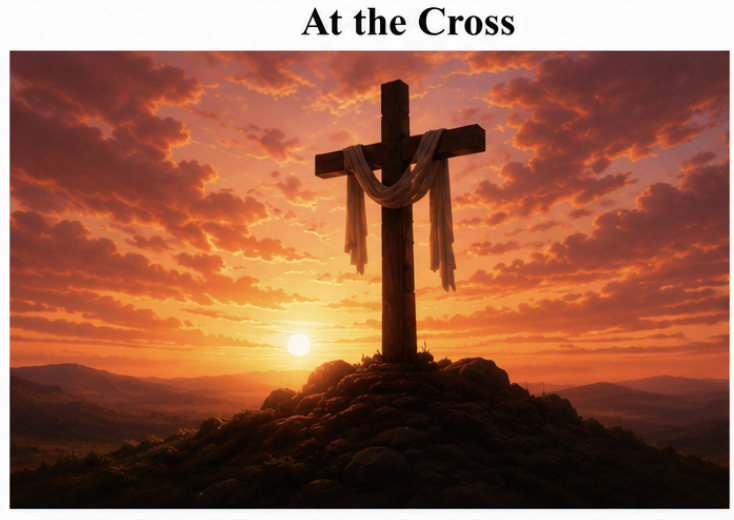
Today’s episode introduces Isaac Watts, the “Father of English Hymnody,” and his 1707 masterpiece “When I Survey the Wondrous Cross.” Rather than simply recounting...

In this Christmas special, Leah reflects on the cosmic significance of the events she witnessed in Bethlehem. She recalls Mary’s "Magnificat," a song of...

In today’s “Best of Replay,” we rebroadcast Episode 551 from January 2023: “Happy New Year.” A new year often affords us the opportunity to...