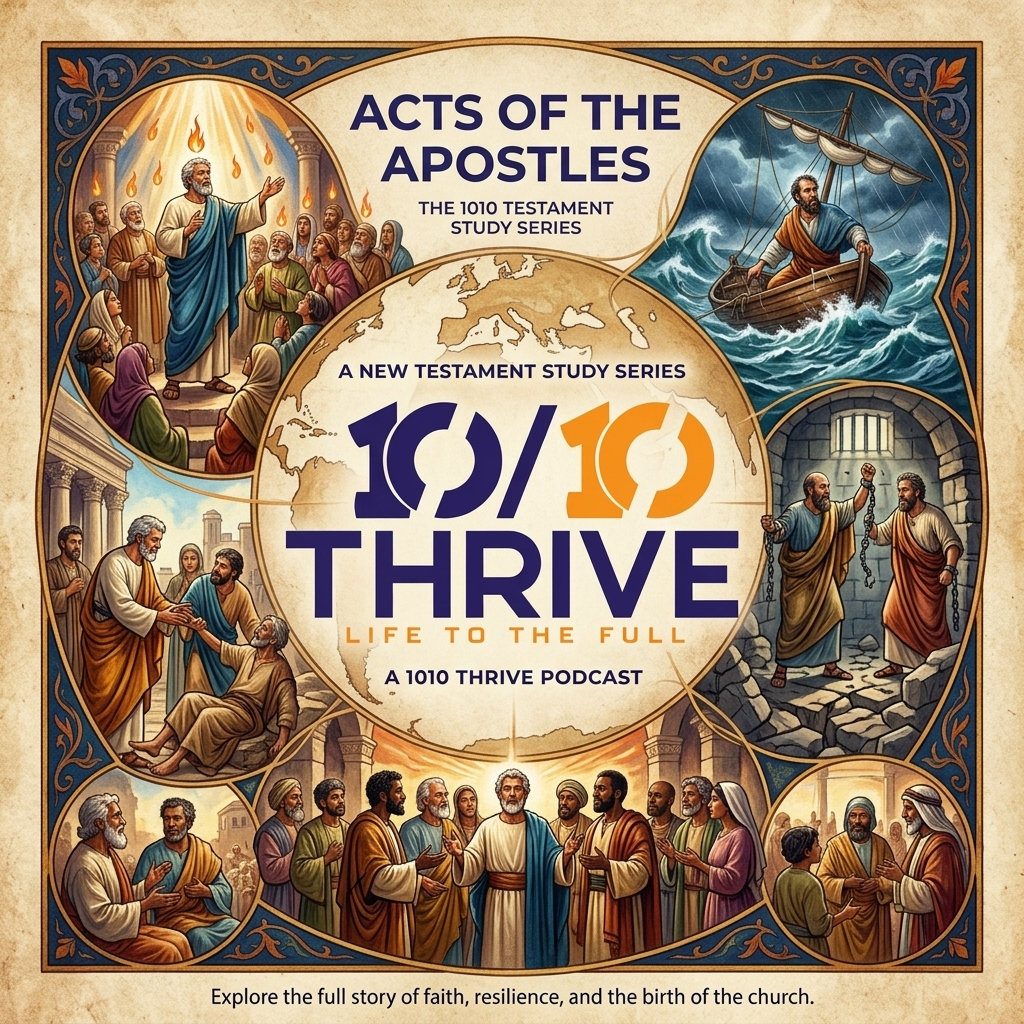
We continue our series about the men and women who carried the message of the gospel from Jerusalem to Samaria, to the uttermost parts of the world, beginning with the apostle Peter.
We learn that Galilean fishermen were not scripturally ignorant — Peter grew up in the synagogue school, memorizing Torah and Prophets — but that the weight of Roman occupation made Messianic hope less a theological abstraction than a daily survival need.
With Peter established as a person, this episode zooms out to the ideological landscape he inhabited. Four competing visions of Messianic deliverance are sketched through Peter's wry, working-class lens: the military-liberation strand (God's general driving Rome into the sea), the prophetic-Moses strand (a word so powerful the political order collapses), the Pharisaic strand (national restoration as a reward for collective Torah observance), and the Essene withdrawal (stepping back from a corrupt world and waiting for God to start the final war). Peter holds none of these cleanly — his theology, he admits, was the theology of a man who needed God to act before Thursday's tax collection. The episode ends with Peter sharing what John the Baptist’s preaching was pointing to: someone greater was coming.
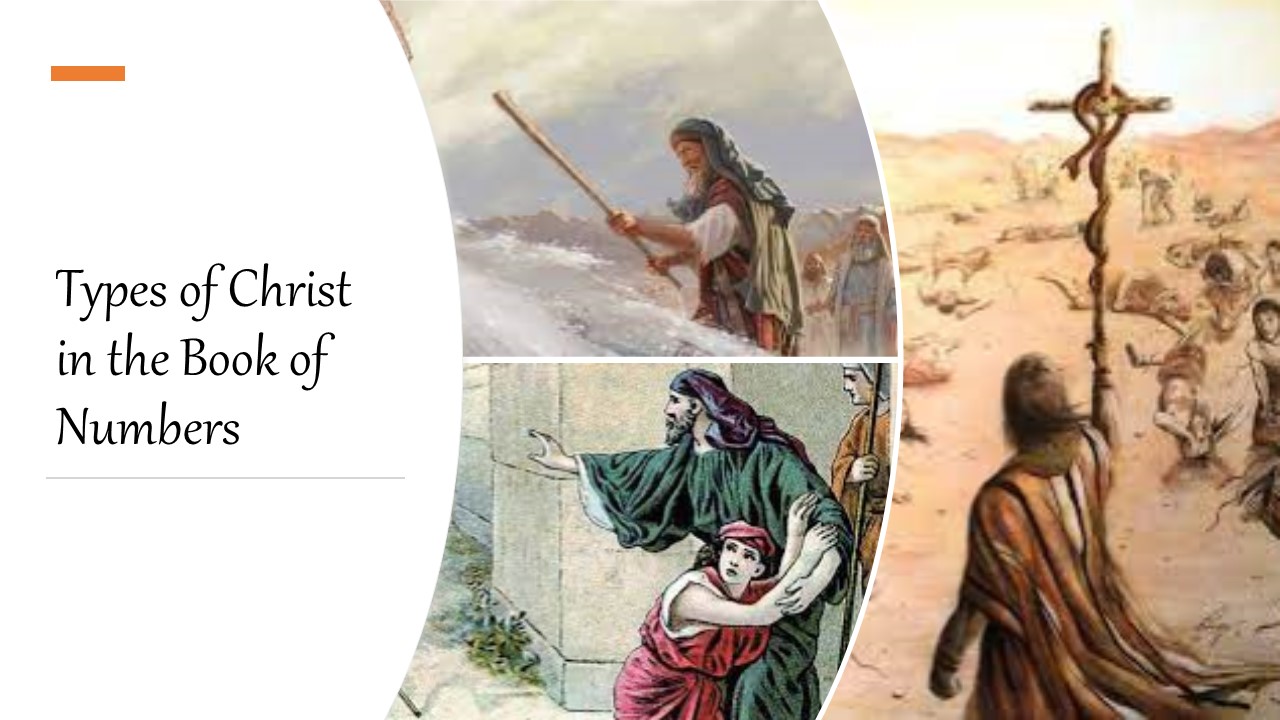
As we continue our series: “Jesus in Every Book of the Bible,” we turn to the book of Numbers. In the book of Numbers,...
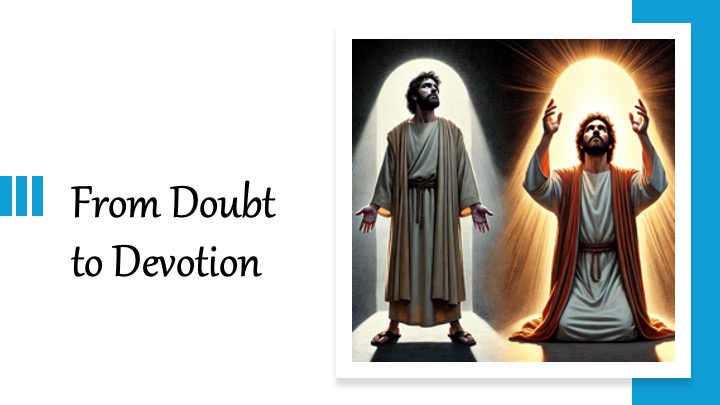
Jude’s life journey is a profound example of transformation, from skepticism about Jesus’ identity to unwavering devotion after encountering the resurrected Christ. Initially, like...

Part 7 of Waymaker opens by grounding the listener in Scripture, setting the stage for a deeper look at who Jesus is and what...