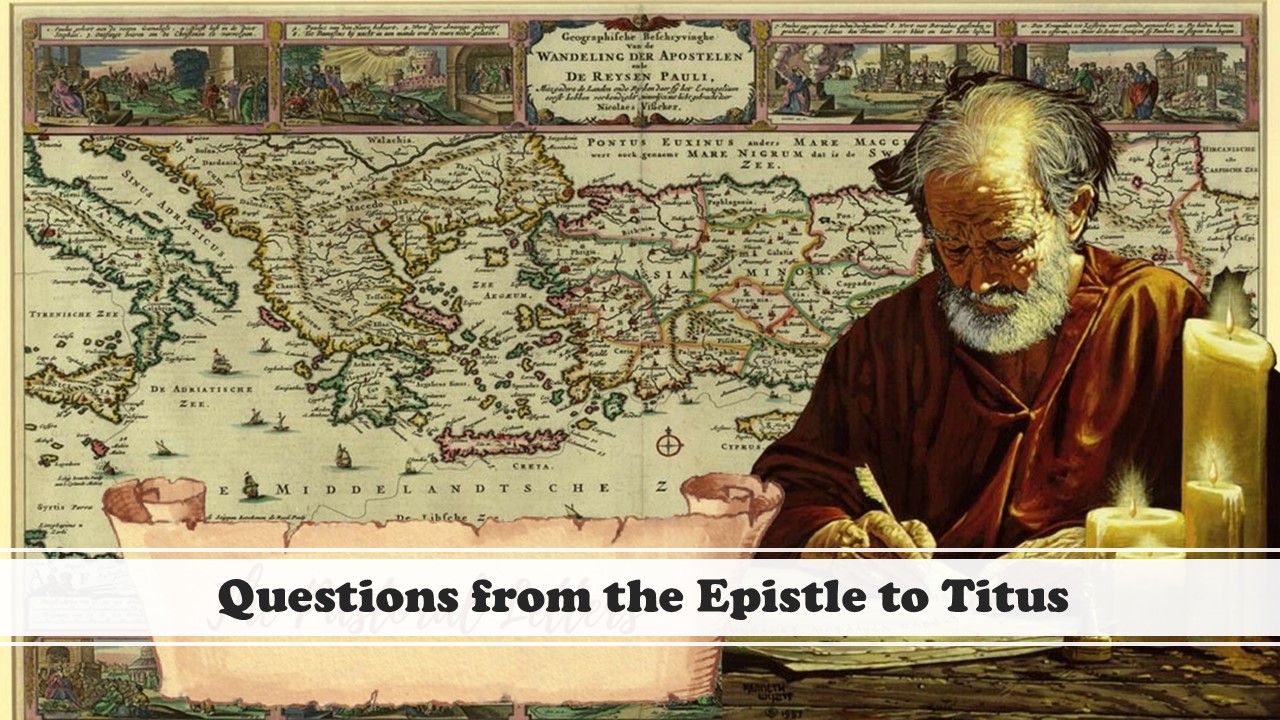
During today’s exploration of Paul's letter to Titus, in a Q&A exchange between a pastor and audience members, we answer several questions that help clarify the teachings and context of the epistle. We explain Paul's reference to the Cretans being “liars” as a cultural observation of their reputation for dishonesty, emphasizing that the apostle wanted Titus to confront false teachings and encourage the Cretan believers to live truthful, godly lives. We also address the significance of sound doctrine, noting its role in ensuring the church’s spiritual health and protecting it from false teachings, which were rampant in places like Crete.
Additionally, we delve into Paul's teaching on purity, explaining that it is an inward condition of the heart shaped by faith in Christ rather than merely external observances or man-made rules. We also discuss the practical applications of Paul's instructions for believers to be “zealous for good works,” stressing that these works are a natural result of a transformed life in Christ and are essential for witnessing to others. We provide clarity on Paul’s call to avoid foolish controversies, highlighting the need for unity and focus on what truly matters in the Christian faith.
The Q&A session concludes with a thoughtful discussion on how modern believers can apply Paul's teachings about leadership and godly conduct to their lives, regardless of their position in the church. We emphasize that leadership in the Christian context involves every believer, encouraging all to exhibit godly character, live in obedience to God's Word, and influence others positively by their example.
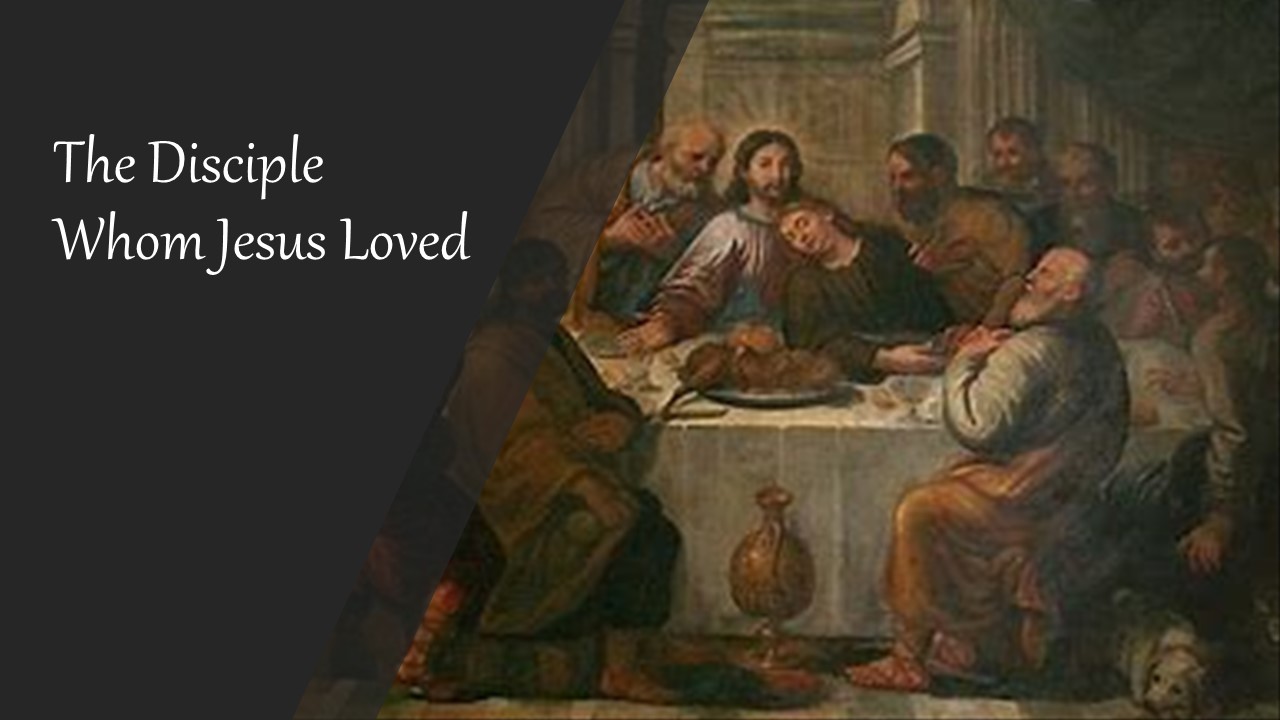
He is the youngest of Jesus’ disciples, but He lives the longest. Once impulsive, rash, ambitious, and critical, he becomes a passionate evangelist and...
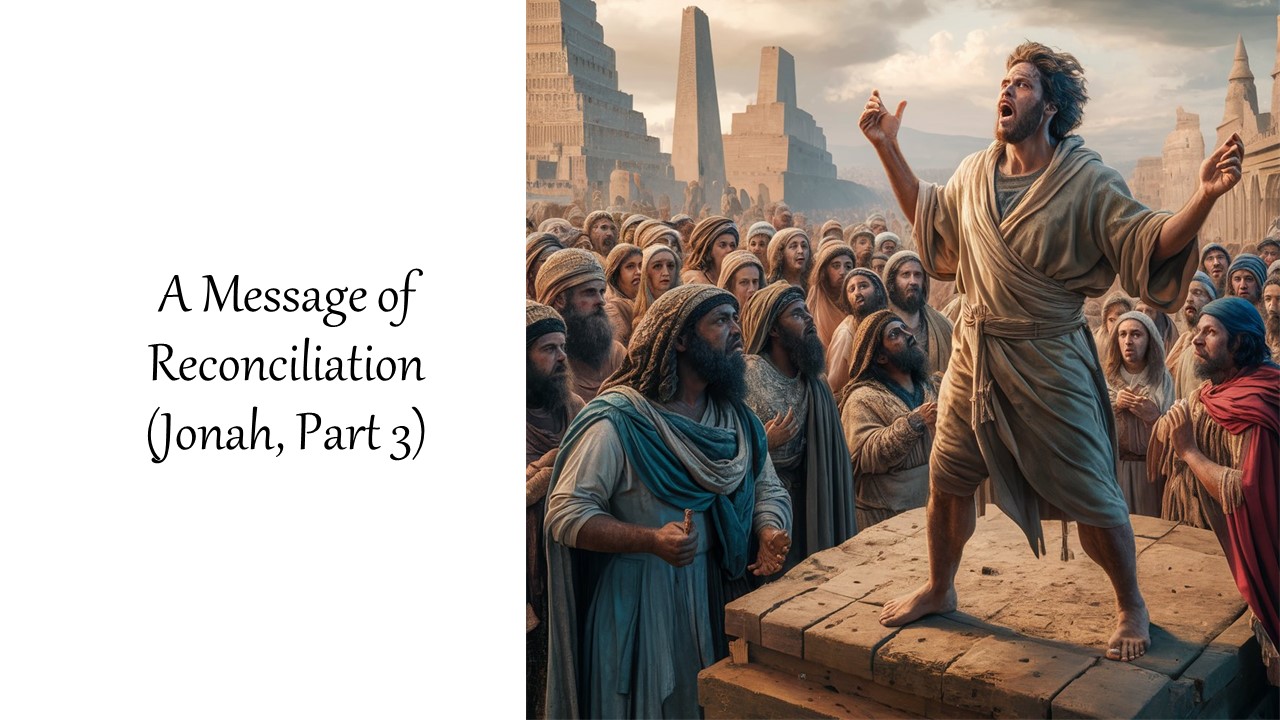
Nineveh was a sprawling city known for its pagan practices and was often seen as hostile to God. Jonah, a prophet with nationalistic views,...
What are some verses in 2 Samuel on which we ought to meditate? Scriptures referenced include 16 different passages in 2 Samuel. Check out...