The Eighth Commandment, "Do not steal," is more than a legal prohibition; it is a blueprint for constructing a high-trust society. While we often view theft as an isolated act, the commandment's true goal is to create an environment where defensive living—marked by locks, cameras, and constant suspicion—is no longer necessary. By commanding us to live in such a way that others do not have to protect themselves from us, God moves the focus from individual behavior to a shared culture of openness. This trust acts as "social capital," reducing the emotional and financial friction in human life and allowing people to collaborate and flourish without the constant calculation of risk.
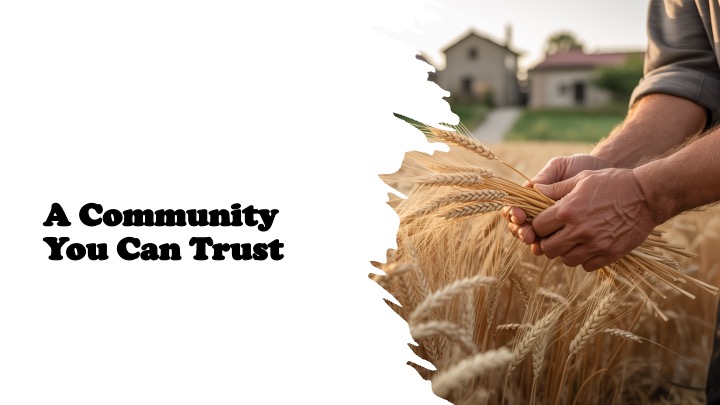
This vision is reinforced by biblical laws that mandate restraint over maximization. For instance, the practice of leaving the edges of a harvest for the vulnerable demonstrates that the opposite of stealing is not just refraining from taking, but refusing to extract every possible advantage at the expense of others. In ancient Israel, this intentional design created a unique economic culture where the vulnerable were sustained rather than crushed. Trust is built through this shared restraint; when a community knows that its members will not exploit every opportunity for personal gain, the invisible currency of trust circulates, creating a fundamentally stable and peaceful society.
Ultimately, the Eighth Commandment shifts our identity from owners to stewards. It asks the personal question: "What kind of person am I becoming?" and challenges us to choose integrity over advantage even when we are free to do otherwise. This shift in mindset from "What can I get?" to "How can I serve?" transforms possessions from guarded rights into entrusted gifts. When a community is populated by people who choose stewardship over grasping, it becomes a place where people can build and give freely, trusting that their work and their generosity will not be exploited.
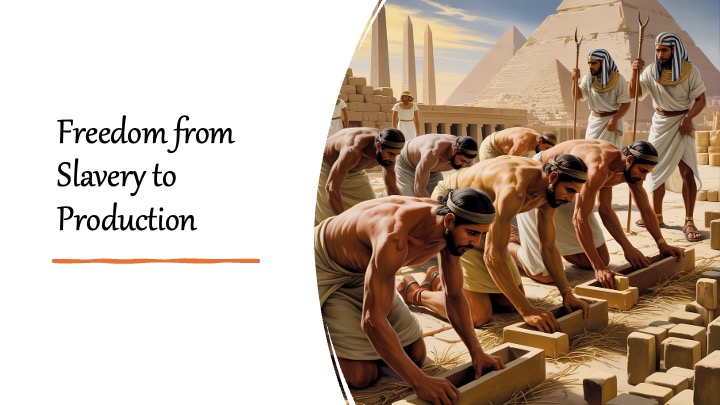
The Sabbath is presented in Scripture not only as a memorial of creation but as a radical reenactment of liberation. In Deuteronomy, Moses anchors...

Ecclesiastes presents us a naturalistic vision of life—one that sees life through distinctively human eyes—but ultimately recognizes the rule and reign of God in...

This week we begin Week 2 of a four-week series on the four different kinds of love in the Bible. This week, we turn...