Faithfulness is an active discipline rather than a passive state, requiring the intentional cultivation of a heart oriented toward what is good. Drawing from Philippians 4:8 and Proverbs 4:23, this practice involves "guarding the heart" by being discerning about media consumption, managing digital boundaries, and monitoring emotional intimacy in external relationships. By proactively directing the mind toward noble and pure things, individuals create a protective structure that prevents the gradual drift toward infidelity, recognizing that prevention is far more sustainable than restoration.
For both married and single individuals, the Seventh Commandment calls for a vision of sexual integrity that honors others as image-bearers of God. For those who are single, this "pre-covenant faithfulness" involves resisting the culture of objectification—particularly on dating apps—and choosing to engage others with dignity and restraint. In marriage, trust is built through thousands of small, honest choices, such as transparency, being present, and serving one's spouse. This covenantal love is further strengthened by a supportive community and accountability partners who help individuals stay true to their commitments without the weight of shame.
Finally, the commandment offers a path for healing after failure and a standard for protection in the face of harm. If a covenant is broken, restoration requires radical honesty, repentance, and a patient rebuilding of trust. Conversely, in situations of abuse, faithfulness to the commandment does not mean enduring suffering in silence; rather, it prioritizes safety and the protection of life, recognizing that abuse is a fundamental violation of the marriage covenant itself. Whether single or married, the ultimate goal of the Seventh Commandment is to transform us into people whose love reflects God’s steadfast and faithful character.
As the appointed governor of Judah, Zerubbabel had the monumental task of leading the effort to rebuild the Jerusalem Temple after the return from...
Matthew intends to prove to the Jews that Jesus Christ is the promised Messiah. More than any other Gospel, the Gospel of Matthew quotes...
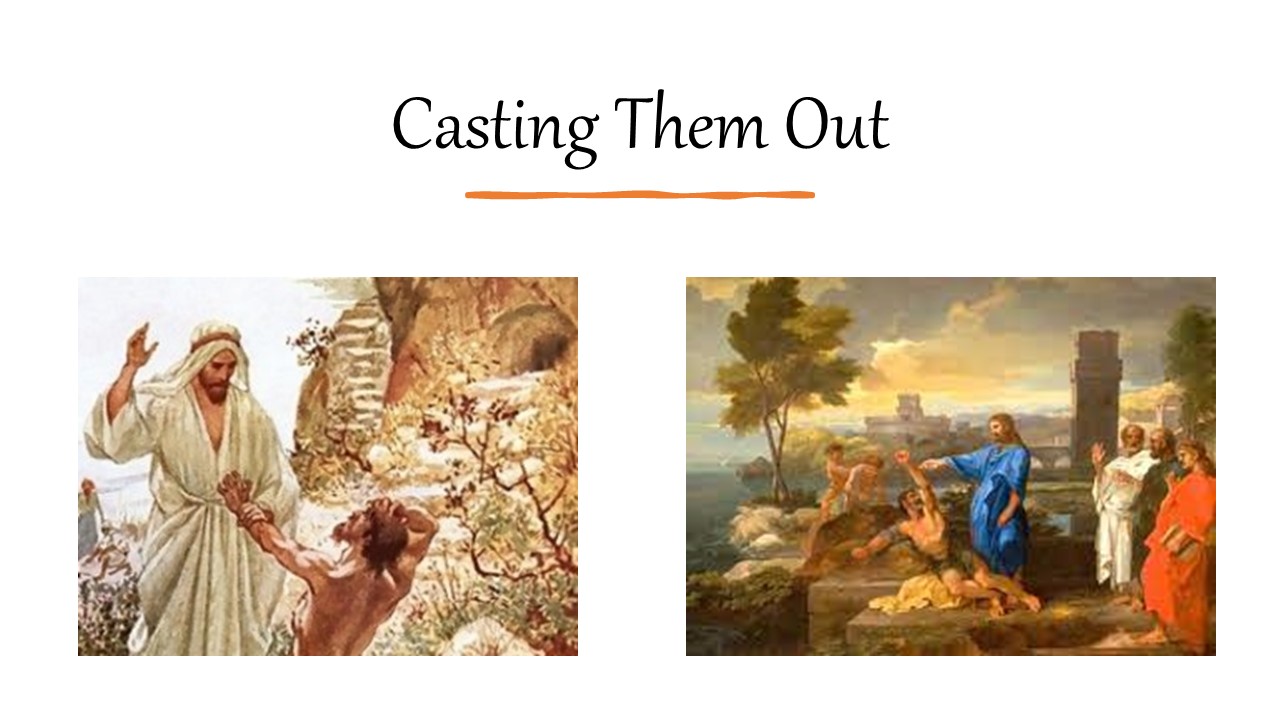
Probably the most famous exorcism Jesus performed was that of the demoniac Legion from the possessed man (or men) who had been living in...