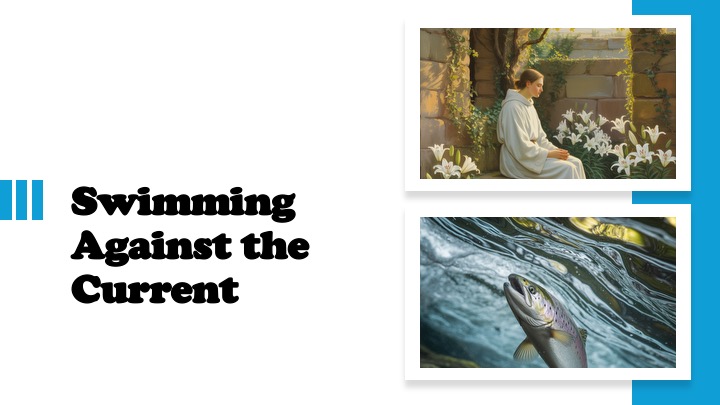
Our modern culture has become fundamentally hostile to the Seventh Commandment by replacing the logic of the covenant with the logic of the marketplace. Relationships are increasingly viewed as consumer goods—valuable only as long as they provide satisfaction and easily discarded when a "better brand" or more exciting alternative appears. This consumerist framework is amplified by a media landscape that normalizes infidelity and a digital world that makes emotional and sexual alternatives accessible with a single click. When marriage is treated as a provisional lifestyle choice rather than a binding promise, the sacrifice and vulnerability required for deep intimacy are traded for a restless pursuit of novelty.
The normalization of "subtle" infidelities—such as emotional affairs and digital pornuse—has fragmented the human heart, dividing loyalties and creating a pervasive "culture of provisionality." This shift carries a heavy social and spiritual toll: marriages become fragile, children lose the stability they require to flourish, and individuals find themselves trapped in a cycle of comparison and deception. By treating monogamy as an unrealistic burden rather than a life-giving boundary, society has exchanged the profound security of being fully known and loved for the shallow, anxious excitement of the next thrill.
In this context, choosing faithfulness is a radical, countercultural act that leads to a unique kind of freedom. By deciding that a marriage is permanent and off-limits to alternatives, a person is liberated from the "tyranny of comparison" and the shame of a divided life. This stability allows for a maturation of love that can weather seasons of difficulty and produce a depth of intimacy that casual or consumerist relationships can never reach. Practicing this faithfulness requires intentionality—building "countercultural" structures of accountability and guarding one's imagination—to create a life where love is rooted in character rather than shifting impulses.
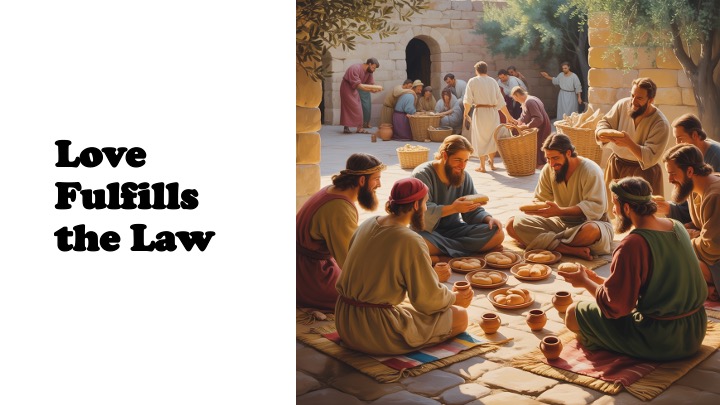
The apostle Paul argues in Romans 13 that love is the absolute fulfillment of the law, suggesting that the specific prohibitions against murder, adultery,...
In the midst of the Babylonian exile, Ezekiel 18 addresses the Israelites’ struggle with a proverb suggesting children suffer for their ancestors' sins, embodying...

Peter argues that even though Jesus was rejected and crucified, He was chosen by God to become the cornerstone of God’s spiritual house. Christians,...