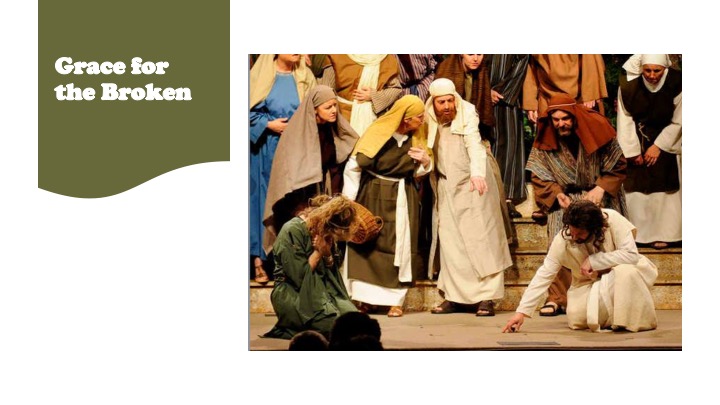
The account of the woman caught in adultery in John 8 presents a radical clash between a legalistic interpretation of the Seventh Commandment and Jesus’s vision of restorative justice. While the scribes and Pharisees used the law as a weapon to trap Jesus and humiliate a woman—notably excluding the male partner required by the same law—Jesus shifted the focus from public execution to internal examination. By declaring, "Let any one of you who is without sin be the first to throw a stone," Jesus leveled the moral high ground of the accusers. This moment effectively transformed the woman from a nameless object of scandal back into a human being with dignity, forcing her accusers to acknowledge their own shared need for grace.
Jesus’s response to the woman provides a perfect synthesis of grace and truth. He does not deny her sin or redefine adultery as acceptable; however, he refuses to use her failure as a reason to destroy her personhood. His statement, "Neither do I condemn you," offers a reprieve from shame and the weight of death, but it is immediately followed by the transformative demand: "Go now and leave your life of sin." This balance ensures that mercy does not become mere enablement. By forgiving her first, Jesus provided the woman with the relational security and hope necessary to actually pursue a different, more faithful way of living.
Ultimately, this narrative teaches that the Seventh Commandment is intended to protect the sacredness of covenant and dignity, yet it also insists that even the most profound betrayals do not have to be the end of the story. The story suggests that while adultery is a grievous violation, broken covenants can be healed through repentance and mercy. It challenges communities to move away from the "Pharisaical" preference for moral superiority and judgment, and instead create spaces where restoration is possible. In the kingdom of God, grace is not a dismissal of the commandment, but the very force that enables people to fulfill it by offering them a second chance to be faithful.

In this special Thanksgiving episode, the 1010 Thrive Podcast opens with a reflection on Jesus’ teaching from the Sermon on the Mount: “Do not...

In today’s episode, we explore the life of Samuel as a significant figure in the Old Testament who foreshadows Christ. We highlight Samuel's role...

Today’s episode delves into the rich tapestry of names and titles for Jesus found in the book of Isaiah, each reflecting a distinct aspect...