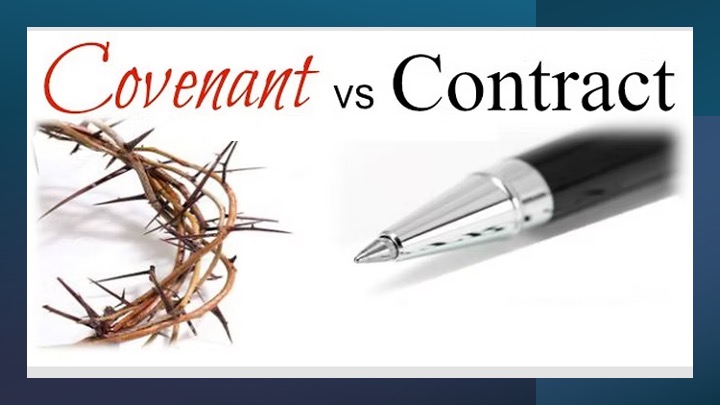
Marriage is fundamentally distinct from a contract; while a contract is a conditional transaction based on mutual satisfaction and personal gain, a covenant is a sacred, binding commitment based on unconditional choice. This distinction is illuminated in Genesis 2:24 through the three movements of "leaving, cleaving, and becoming one flesh." To leave means making one's spouse the primary loyalty over their family of origin; to cleave means establishing an exclusive, permanent bond; and to become one flesh represents a profound merging of physical, spiritual, and emotional lives. Without this covenantal framework, the Seventh Commandment against adultery would be a mere breach of civil terms rather than a shattering betrayal of a holy union.
The stability of a lifelong covenant is the essential environment required for love to mature and deepen. In the early stages of a relationship, love is often driven by fleeting emotions and attraction, but a permanent commitment allows for a shift toward a love grounded in sacrifice and genuine knowledge of one's partner. This deepening occurs only when both parties know they will not be abandoned during storms, creating the security necessary for total vulnerability. When marriage is treated as a provisional contract, it remains shallow; when lived as a covenant, it allows two people to fully know and choose one another across decades of shared history.
Scripture frequently uses marriage as the primary metaphor for God's relationship with His people, portraying God as a faithful bridegroom who never abandons His bride. Consequently, a marriage built on exclusivity and permanence serves as a living witness to God's steadfast character, while a marriage viewed as a disposable contract reflects a fragile, conditional love. By rejecting the modern culture of disposability and embracing the discipline of covenant, couples create stable anchors for their families and communities. This commitment is not restrictive but liberating, providing a lifelong sanctuary where individuals can be truly known and unconditionally loved.
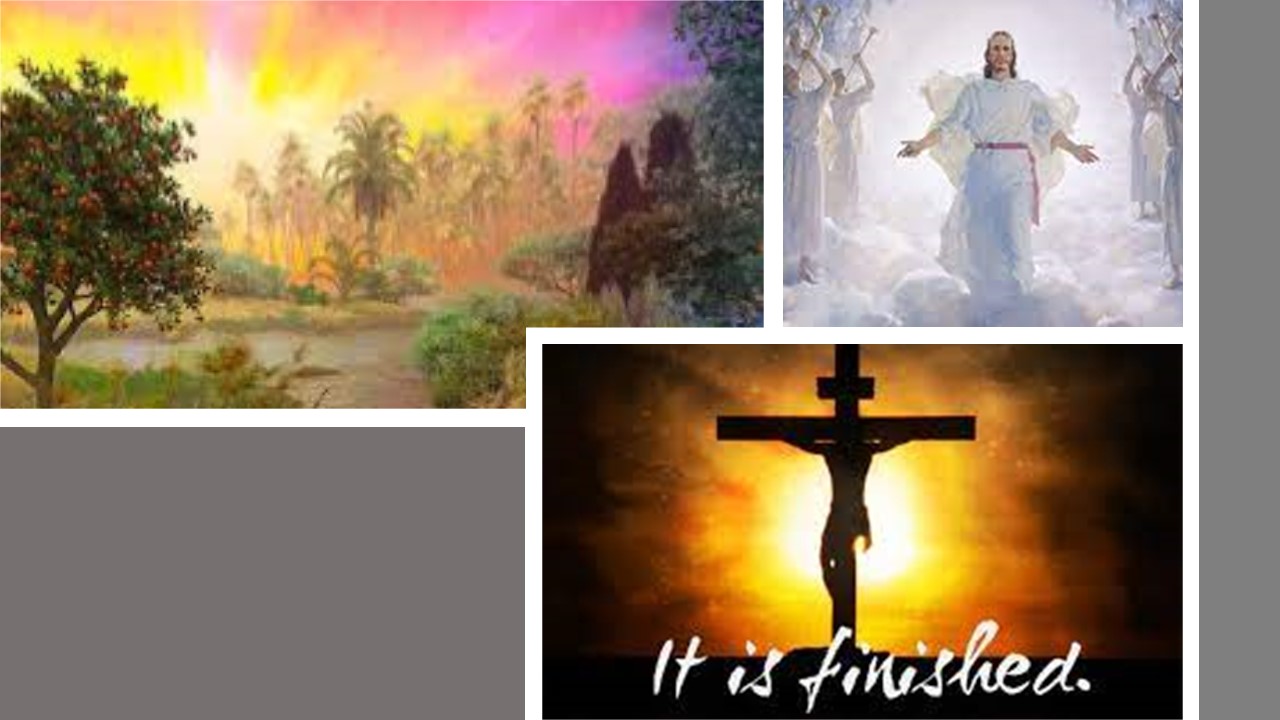
In our special Good Friday Episode, we share music, poetry, and verses of Scripture that document God finishing Creation, finishing the plan of salvation,...
Episode 8 opens in a Kansas church service where Pastor Shepherd delivers a message that cuts straight into Jeremiah’s heart. He challenges parents to...
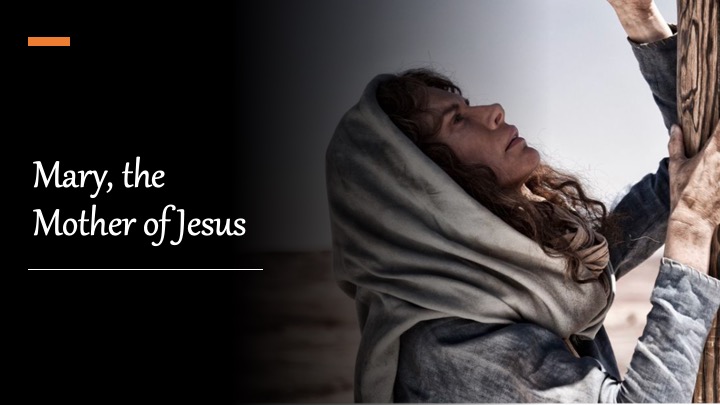
Mary was an unmarried virgin girl when God sent the angel Gabriel to give her a message (Luke 1:26–27). She was engaged to a...