Jesus’ teaching on the Sixth Commandment moves from the passive prohibition of "thou shalt not kill" to the active, transformative mandate of "blessed are the peacemakers." This shift signifies that true obedience is not merely the absence of physical violence, but the intentional cultivation of life and the restoration of what has been fractured. A peacemaker is not someone who simply avoids conflict, but a person who proactively seeks to heal brokenness, taking the initiative to build bridges, practice vulnerability, and absorb the personal costs necessary to achieve reconciliation.
This "life-giving" orientation requires a profound commitment to protecting the vulnerable—those whose lives are diminished not just by direct violence, but by systemic neglect and invisibility. Following the model of Jesus, who centered His ministry around the marginalized, believers are called to move beyond rule-following to a place of internal transformation where they actively advocate for the poor, the sick, and the excluded. This involves creating social and economic structures that ensure every person, as a bearer of the divine image, has the resources and community support required to flourish.
Ultimately, the fullest expression of the Sixth Commandment is found in the difficult work of reconciliation. Jesus places such a high priority on restored relationships that He instructs His followers to interrupt their religious worship to settle grievances with others. By choosing to name harm, take responsibility, and offer forgiveness, we transition from being people who simply refrain from murder to being "children of God" who reflect His redemptive character. This is the movement from a restrictive boundary to an expansive vocation: becoming a life-giver who builds communities defined by the presence of peace and the active promotion of human dignity.
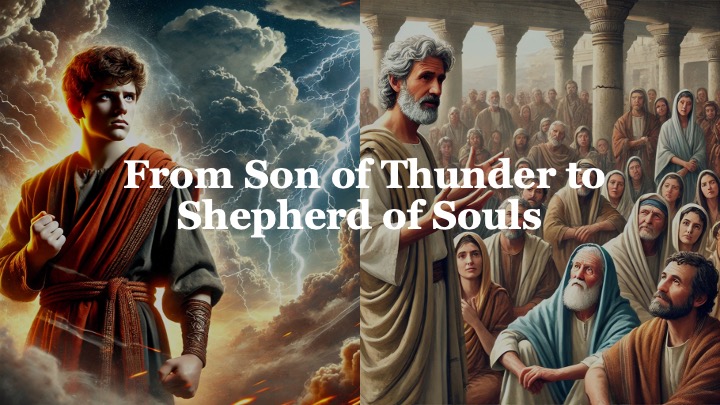
The Apostle John, once known for his fiery zeal, became a living example of the self-sacrificing love he preached throughout his writings. Through stories...

Part 13 of The Disciple Whom Jesus Loves brings us to one of the most stirring miracles in the Gospel: the raising of Lazarus....
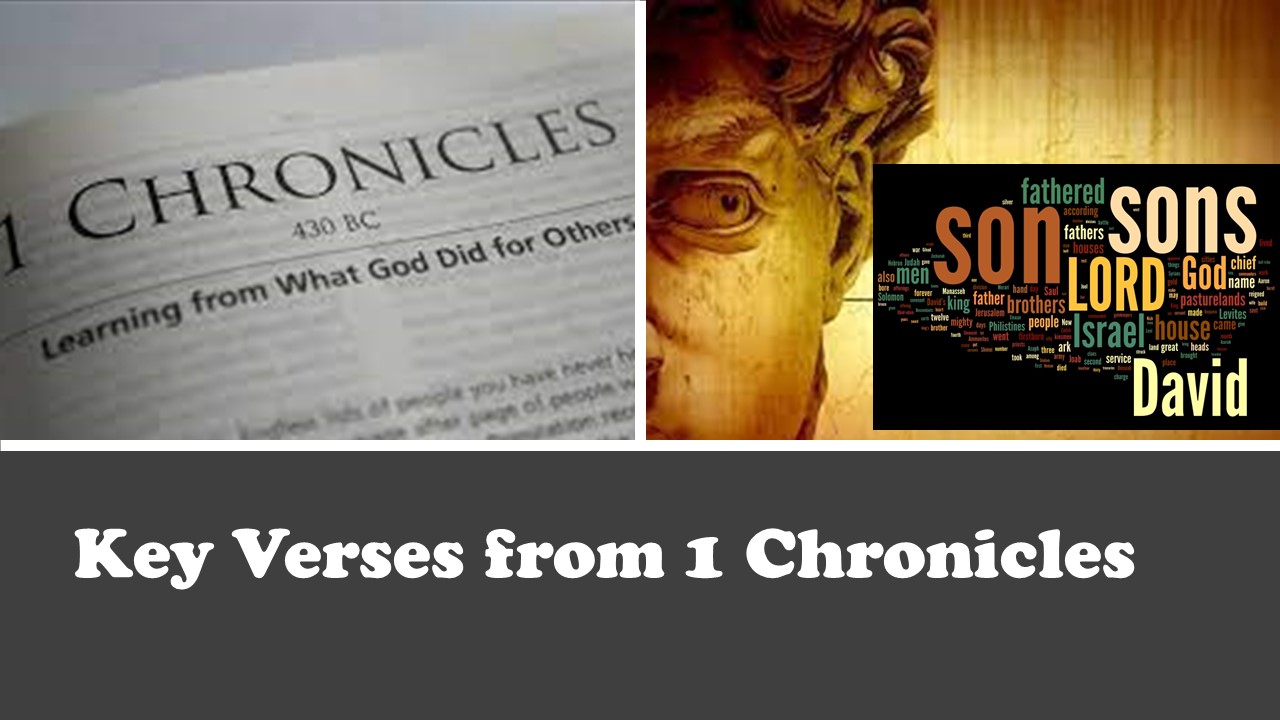
What are some verses in 1 Chronicles on which we ought to meditate? Scriptures referenced include Psalm 106:1; Psalm 107:1; Psalm 118:1, 29; Psalm...