The Sixth Commandment’s prohibition of murder is built upon a profound legal and moral distinction: not all killing is murder. Biblical justice, as established in Numbers 35, moves away from the crude practice of "blood vengeance"—where a victim's family was obligated to kill the person responsible regardless of intent—and introduces the necessity of discernment. By distinguishing between intentional murder (malice aforethought) and accidental manslaughter, the law prevents escalating cycles of violence and ensures that the "moral muscle memory" of the community is trained on the pursuit of truth rather than blind retribution.
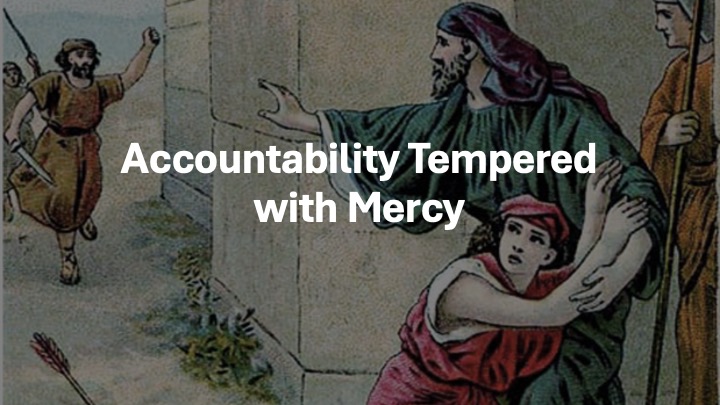
To facilitate this discernment, God commanded the creation of Cities of Refuge. These cities acted as a sanctuary for those who caused a death unintentionally, protecting them from the "avenger of blood" until a formal trial could be held before the assembly. This system shifted the burden of proof to evidence and witnesses, defining murder specifically by the presence of enmity or the use of a lethal object with the intent to harm. If the death was found to be accidental, the accused was spared execution, provided they remained within the city's walls—a practice that protected the innocent from mob justice while honoring the sanctity of the life that was lost.
The Cities of Refuge beautifully illustrate the biblical harmony between accountability and mercy. While the life of the accidental killer was spared, they were not absolved of responsibility; they were required to live in exile, separated from their home and family, until the death of the High Priest. This loss of freedom served as a sobering consequence for the tragedy they caused, ensuring that negligence was never treated casually. Ultimately, this system reminds us that true justice is not simple vengeance, but a careful examination of intent and circumstance that offers the possibility of restoration even after accountability has been served.
Episode 1217 of the 10:10 Thrive Podcast continues the special musical production “Waymaker,” focusing on the purpose behind Jesus’ miracles. The episode opens with...
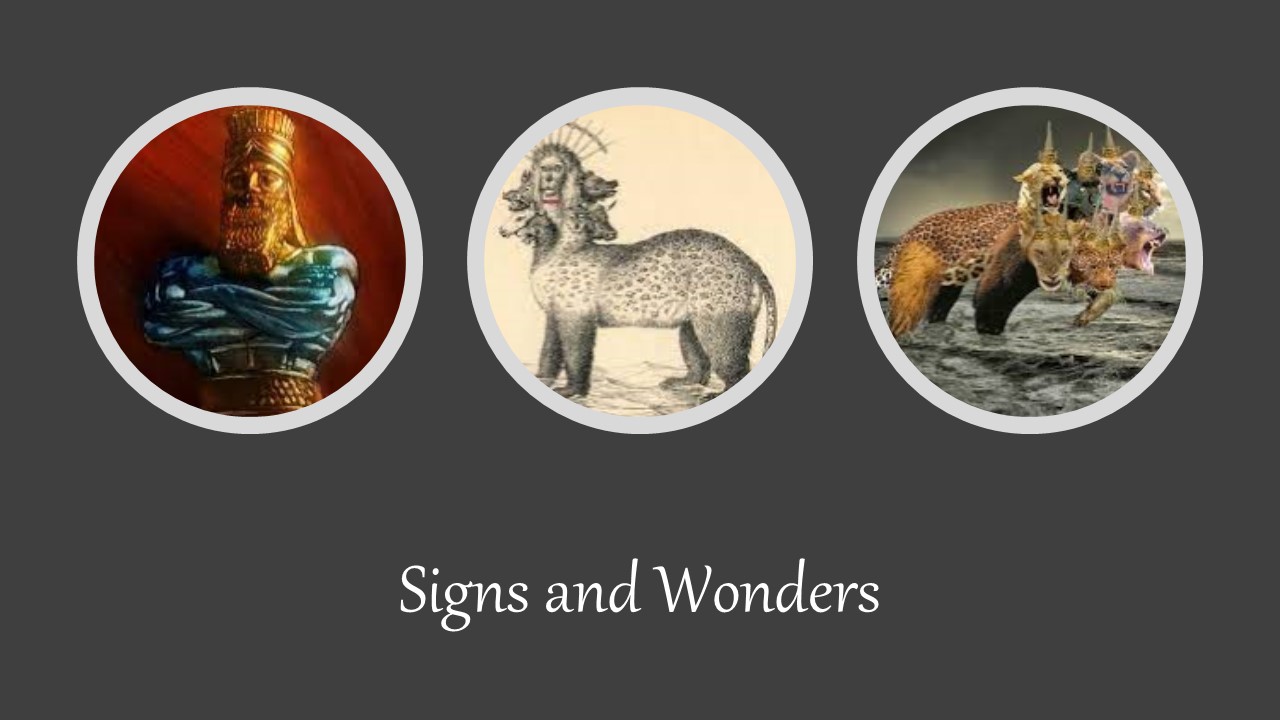
We wrap up the book of Daniel by exploring the use of symbolism in the Bible and then examining ten symbols that are introduced...
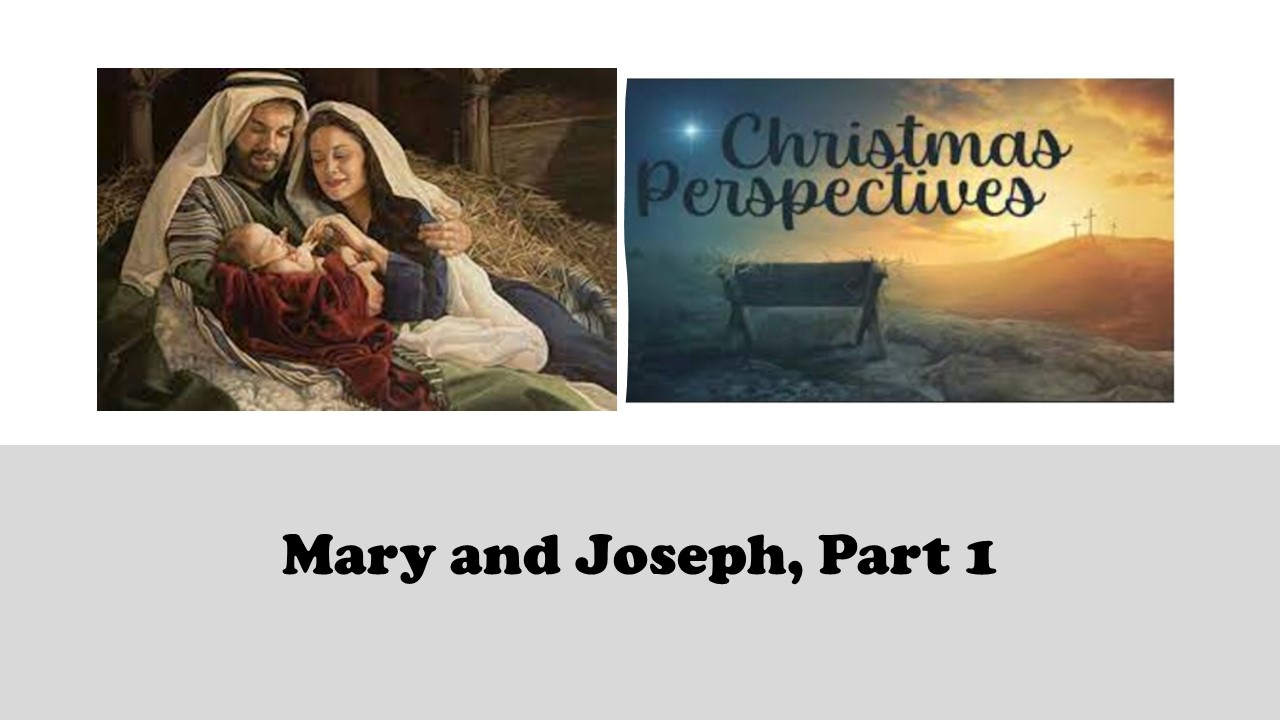
Mary reflects on the transformation of the stable, once a place of cold fear, now filled with the warmth and sounds of her baby,...