The story of Cain and Abel reveals that murder is rarely a random act of passion, but rather the final stage of a internal "metastasis" that begins in the heart. The descent starts with comparison, where Cain finds himself lacking in the shadow of his brother’s favor, leading to a "downcast face"—the physical manifestation of shame and rejected pride. God’s intervention at this stage is a warning that sin is "crouching at the door" like a predatory beast; He invites Cain to practice self-examination and mastery over his emotions, yet Cain chooses to let his resentment fester into an obsession that ultimately demands the elimination of his "rival."
This narrative provides a profound psychological map of how violence develops through premeditation and the dehumanization of others. Cain lures Abel into a field, a setting away from witnesses, showing that the initial hurt had transformed into a cold, calculated plan to remove the source of his pain. The consequences are depicted as both cosmic and social: Abel’s blood "cries out" from the ground, a metaphor for the fact that the ripples of violence never truly end with the act itself. Cain is left as a "fugitive and a wanderer," illustrating that the ultimate penalty for violence is a life of restlessness, isolation from community, and a past that can never be undone.
In a modern context, this story serves as a stark warning against the "relentless comparison" fueled by our culture, which creates a seedbed for relational and physical aggression. Whether through social media or workplace competition, the feeling of inadequacy can easily shift into a desire to harm the reputation or personhood of another. The story’s enduring relevance lies in God's initial question: "Why is your face downcast?" This remains a call for every individual to pause, name the poison of resentment before it takes root, and take responsibility for ruling over the impulses that threaten to consume us and fracture our communities.

Today is our first day exploring the book of Ecclesiastes. This book is traditionally attributed to King Solomon, though some scholars debate this based...
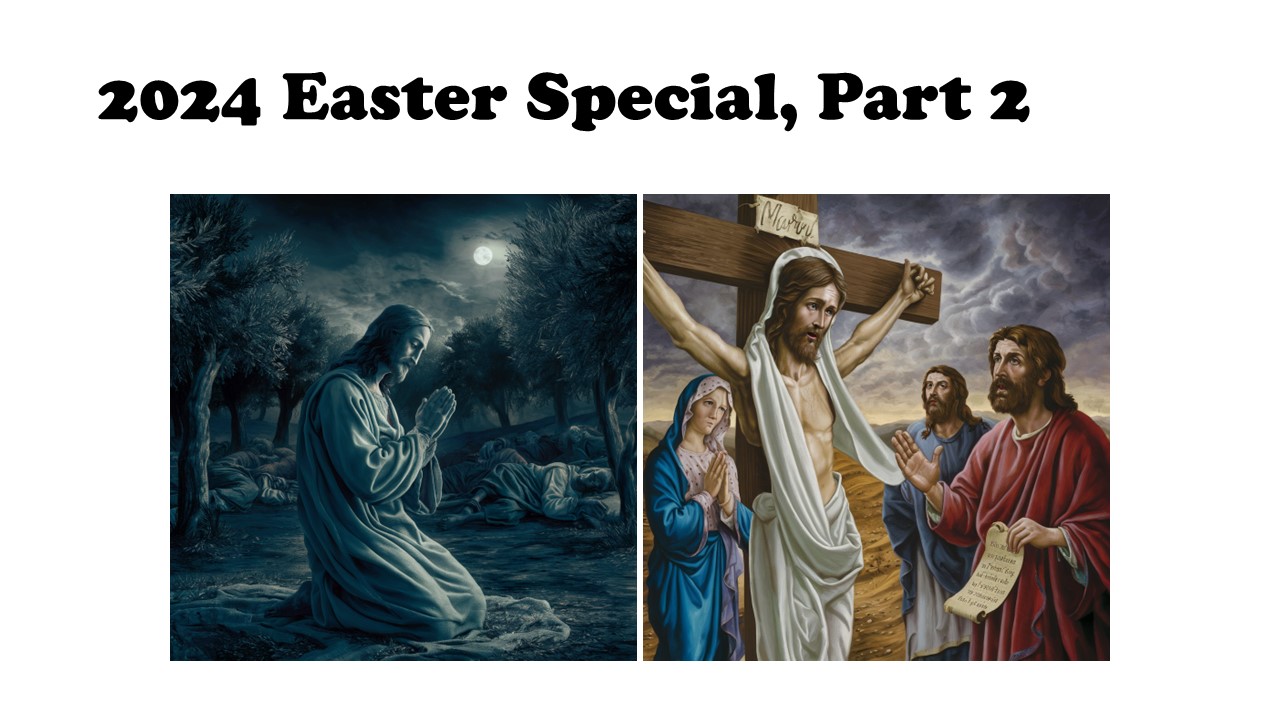
On this day after Easter Sunday, we release the second episode in our five part Easter Special. Today’s episode describes the events beginning with...
What are some verses in the Book of 1 John on which we ought to meditate? Scriptures referenced include more than 22 passages from...