The first commandment is often misunderstood as an oppressive demand for absolute control, but it is actually a divine invitation to healing and freedom. God is not interested in suppressing our desires or turning us into hollow servants; rather, He seeks to order our loves so they can flourish in their proper place. This is the difference between suppression—which demands we kill our desires—and ordering, which restores a fragmented heart to wholeness. When God is at the center, our secondary loves (like family, work, and security) are transformed from anxious obsessions into gifts we can finally enjoy without being enslaved by them.
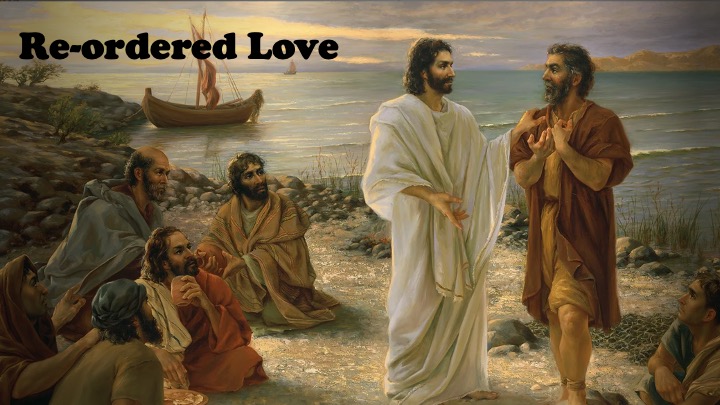
This process of restoration is beautifully illustrated in Jesus’ encounter with Peter after the resurrection. Jesus does not shame Peter for his three denials or demand a list of new rules; instead, He asks three times, "Do you love me?" This was not an interrogation but a healing of the heart. Jesus understood that if Peter’s love was restored to its proper hierarchy, right behavior would follow naturally. By centering Peter’s identity in love rather than in his performance or his failures, Jesus integrated Peter’s soul, proving that the first commandment is about moving from external compliance to internal transformation.
Ultimately, the call to have no other gods is a gift of integration. When we stop trying to construct our security and identity through our own exhaustive efforts and instead receive them from God, we are liberated from the "quiet gods" that fracture our peace. The Psalmist describes this state as one of "pleasant places" and "rest secure," where the heart is glad because the hierarchy of love is finally right. By practicing "open-handed trust"—acknowledging the things we grip most tightly and offering them to God—we allow Him to heal the chaos of our competing loyalties and restore us to a life of joyful, unified purpose.
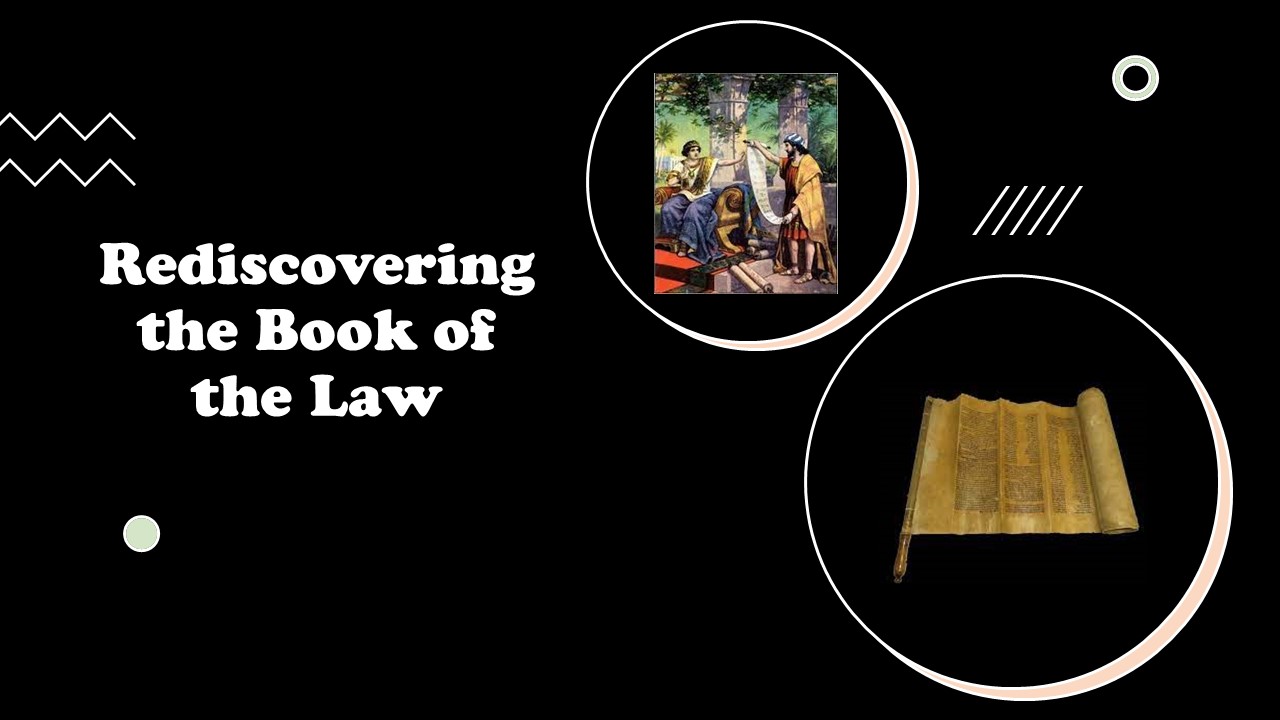
Josiah was the son of King Amon and the grandson of King Manasseh—both of them wicked kings of Judah. Yet Josiah was a godly...
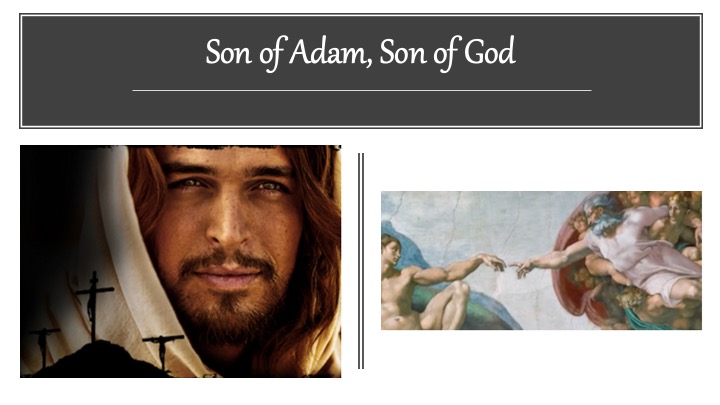
Luke, written by a Gentile for a Gentile audience, places Jesus’ genealogy in chapter three, just after he is baptized and immediately after “a...
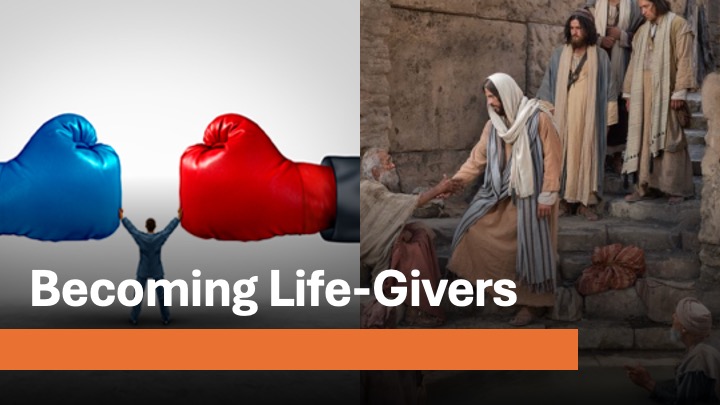
Jesus’ teaching on the Sixth Commandment moves from the passive prohibition of "thou shalt not kill" to the active, transformative mandate of "blessed are...