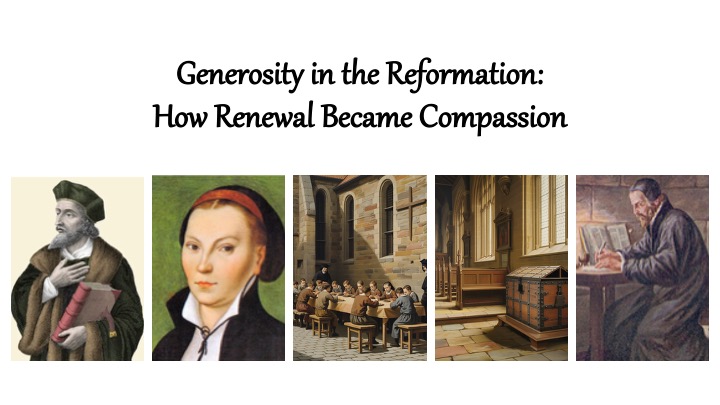
This episode explores the transformative movement of generosity that exploded during the Protestant Reformation, proving that the rediscovery of biblical grace reformed not only doctrine but also hearts, cities, and systems of social care. The teachings of Martin Luther sparked this change by establishing that wealth belongs to God, and Christians are stewards whose primary joy is giving to the poor. Luther translated this theology into action by helping launch the 16th-century Community Chests—public funds supported by citizens to provide food, low-interest loans, medical care, and education—creating an early form of social welfare rooted in Christian love. This public commitment was mirrored domestically by Katharina von Bora, who tirelessly transformed the Luther home into a massive boarding house and farm, practicing a radical daily hospitality that fed dozens and sheltered the sick in a constantly turbulent world.
The Reformation's dedication to service was often costly and dangerous. When plague swept through Zurich in 1519, reformer Ulrich Zwingli chose to remain in the city, nursing the sick, burying the dead, and risking his own life, demonstrating that the Gospel compels physical presence and courageous service. John Calvin further systematized this compassion in Geneva, establishing hospitals, orphanages, schools, and comprehensive financial assistance committees, transforming the city into a functional refuge for thousands fleeing persecution across Europe. Even more intense was the generosity of the persecuted Anabaptists, who took the early church's example literally by holding possessions with an open hand, sharing food and shelter so effectively that there were no needy persons among them, proving that generosity thrives even amidst extreme hardship.
Ultimately, the generosity of the Reformation was theological, systemic, and evangelistic. William Tyndale’s ultimate gift was the translation of the Bible into English, risking his life to provide the poor with the gift of literacy and direct access to truth. Across Europe, this grace-fueled culture led parish churches to establish "poor boxes" for organized weekly relief and inspired the persecuted Huguenots to build vast, risky underground networks of housing and support for one another. The overarching pattern is clear: this movement wasn't won by arguments but by a sacrificial love that transformed society, demonstrating that grace received naturally overflows into grace given, urging us today to practice a systemic, joyful generosity that is willing to take risks and lift the burdens of others.

Ecclesiastes urges remembering God, especially in youth, a time characterized by vigor and optimism. George Bernard Shaw's witty remark that youth is wasted on...
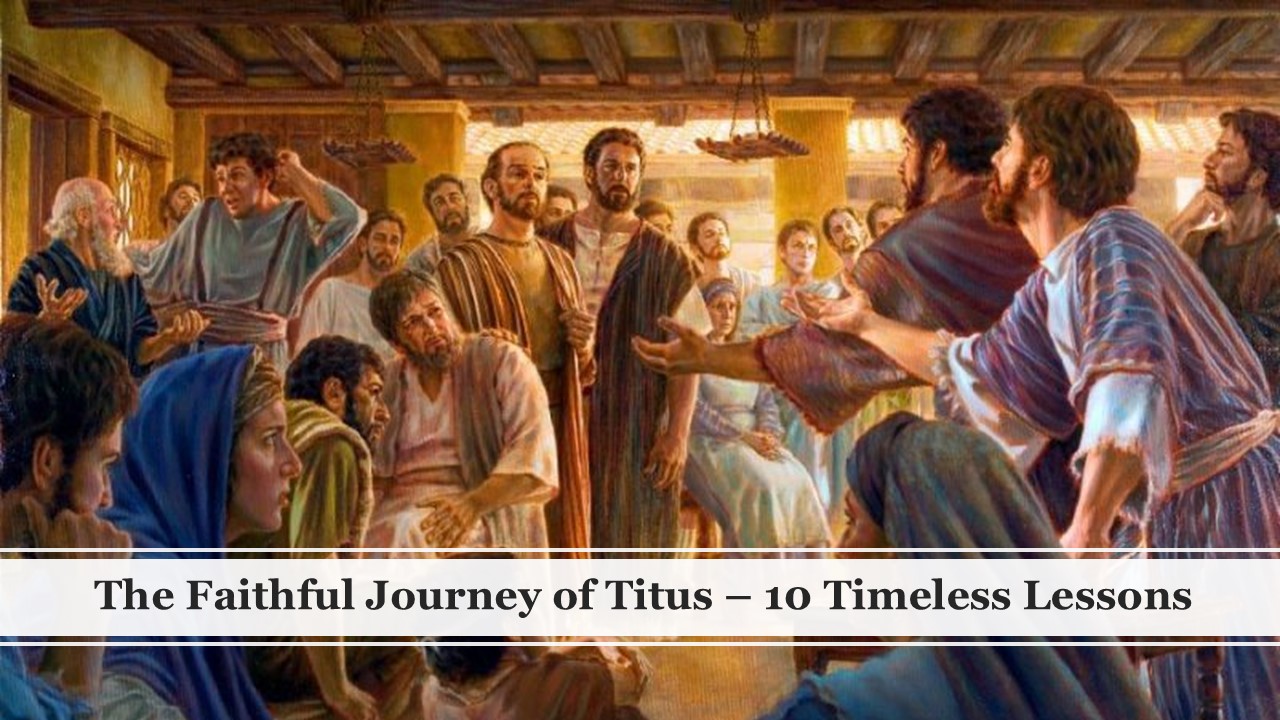
Today’s episode draws on ten important lessons from the life of Titus, a faithful companion of Paul who played a crucial role in the...
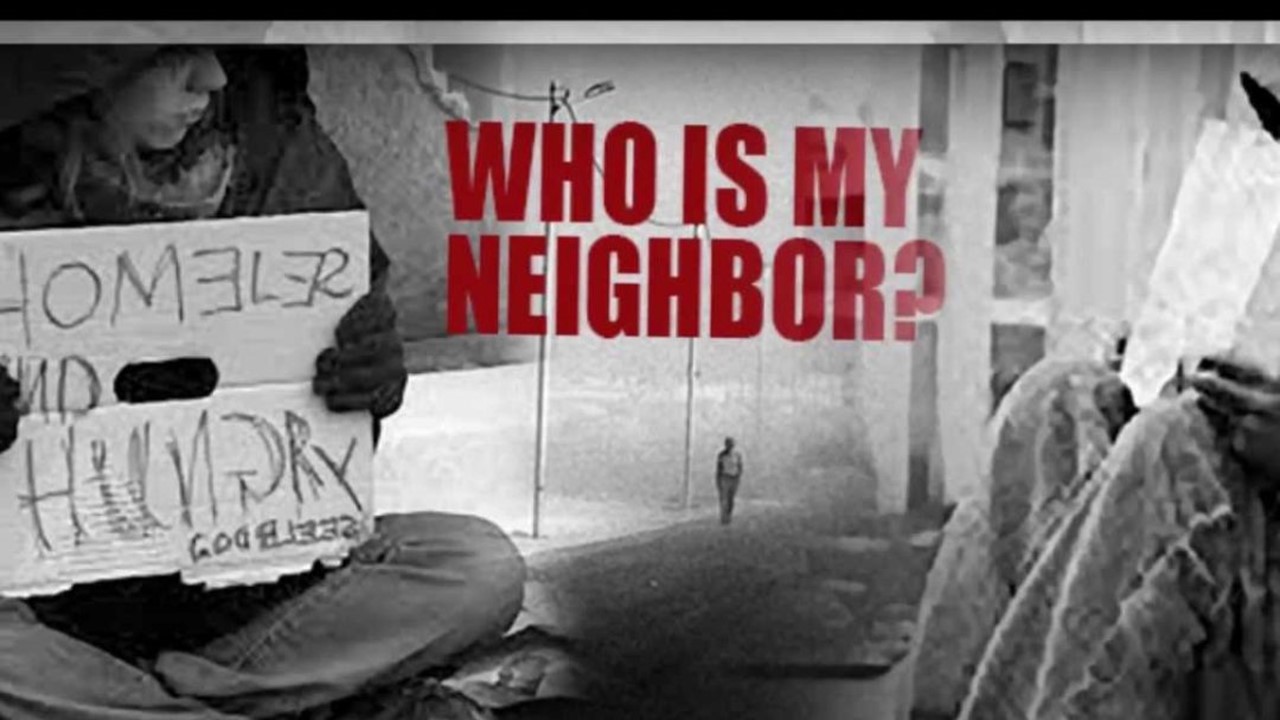
Many Christians talk about the importance of loving God and loving others, and rightly so. Jesus declared these to be the greatest commandments (Mark...