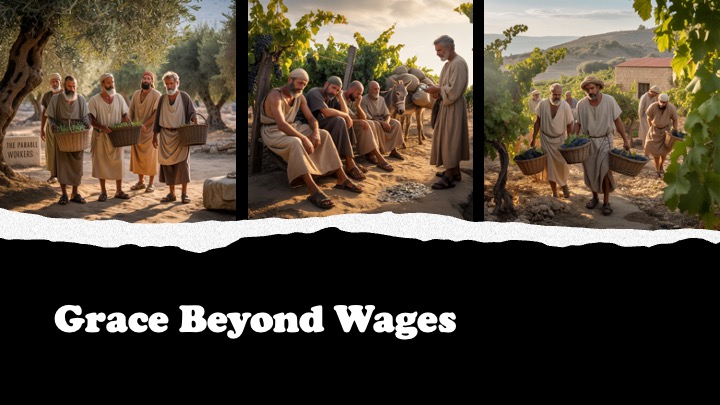
The Parable of the Workers in the Vineyard, told by Jesus in Matthew 20, is a radical teaching about the scandalous economics of God's grace that flips the worldly logic of merit on its head. The story details a landowner who hires laborers at different times of the day—some at sunrise, some just one hour before quitting time—and then pays every single person the same full day's wage (a denarius). This provokes outrage and grumbling from those who "bore the burden of the work and the heat of the day." Jesus uses this scenario, which is immediately relatable via the contemporary illustration of the tech startup bonus, to teach that the Kingdom of Heaven operates entirely on grace, not human merit or effort. The denarius represents salvation, which is a generous gift from God, available to all regardless of their years of service or personal resume.
Jesus uses the predictable offense of the early workers to expose the destructive nature of religious pride and comparison. The landowner points out that he was not unfair to the first workers, who received exactly what they had agreed upon, but rather profoundly generous to the last. Their bitterness reveals that they had forgotten their own need for grace and were consumed by envy over what others received. This parallels the conflict Jesus had with the self-righteous Pharisees, who despised his embrace of "latecomers" like tax collectors and sinners. The parable serves as a mirror, challenging anyone who believes they have earned a greater reward from God, and teaches that comparison destroys gratitude and joy in the simple, yet profound, gift of salvation.
Ultimately, the parable reveals Jesus as the defender of the undeserving and the generous Master. He affirms that the Kingdom is accessible to all who are willing to come, whether they come early in life or just moments before the end. The concluding lesson, "the last will be first, and the first will be last," is an invitation to lay down self-entitlement and embrace the joy of the Master, who delights in showing mercy. The message is one of hopeful assurance: we are all saved by the same grace, and rather than growing bitter over God's generosity to others, we are called to celebrate that the landowner is so extravagantly good.
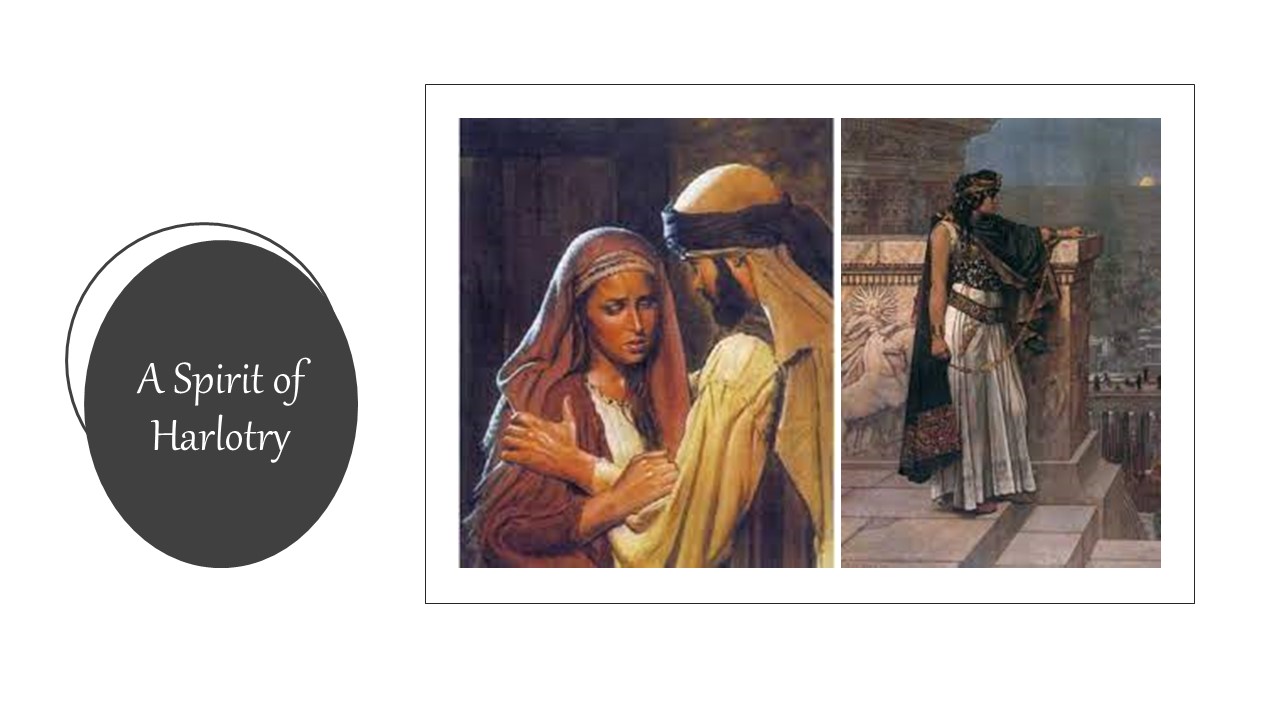
The people reject the voice of the Living God and turn to “wooden idols.” This betrayal of Yahweh has put the people, as well...
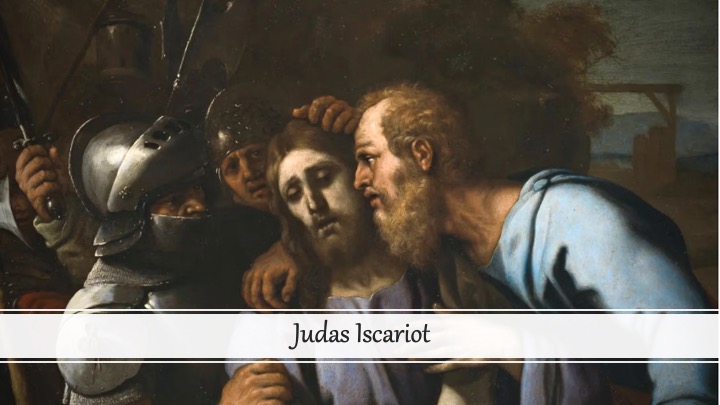
Judas Iscariot is typically remembered for one thing: his betrayal of Jesus. He was one of the twelve disciples who lived with and followed...
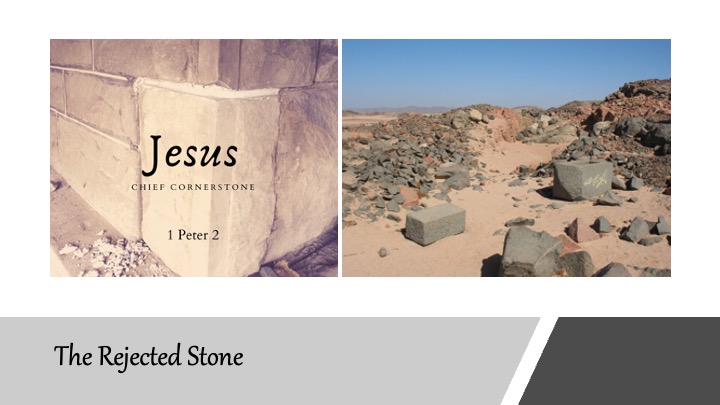
Since ancient times, builders have used cornerstones in their construction projects. A cornerstone was the principal stone, usually placed at the corner of an...