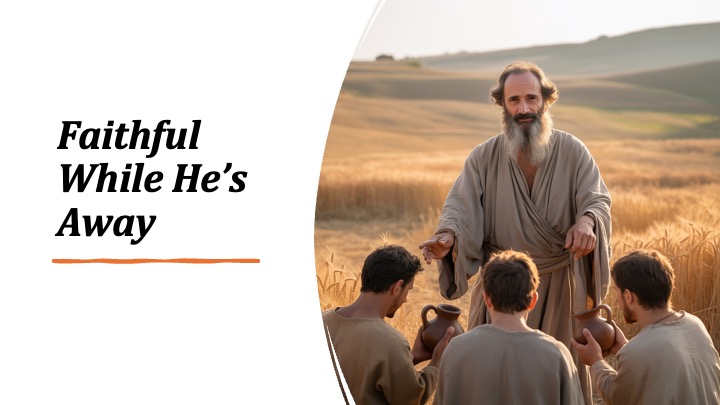
The Parables of the Talents and the Minas share a powerful, singular message about stewardship and accountability during the period between Jesus’s ascension and his promised return. Jesus entrusts his servants—representing all followers—with significant resources (five, two, or one talent/mina), emphasizing that every person has been given something by God: time, skills, influence, or opportunity. The core principle is not how much one received, but faithfulness in actively investing and multiplying what was given. The faithful servants were rewarded with the same high praise ("Well done, good and faithful servant!") regardless of the volume of their returns, demonstrating that God values effort, courage, and action over mere results or comparison with others.
These parables serve as a profound warning that passivity and fear are dangerous forms of unfaithfulness. The third servant in Matthew's parable buried his one talent out of fear and a warped perception of the master as harsh and unforgiving, leading to severe rebuke. Jesus contrasts this paralyzing fear with the joyful risk-taking demonstrated by the first two servants. By highlighting the master’s inevitable return and moment of reckoning, Jesus underscores the sobering reality that every life will be held accountable. Followers are challenged to live alert, responsible, and fruitful lives during this "in-between" time, realizing that inaction—burying one's gifts—is not a neutral choice but a direct rejection of the Master's trust.
Ultimately, these parables reveal deeper truths about Jesus's character and the nature of the Kingdom. Jesus is portrayed as the trusting master and the returning King—one who empowers his servants with real responsibility and delights in their flourishing, even while knowing their flaws. His teaching exposes the danger of fruitless religion, challenging followers who might hide their gifts behind legalism or a distorted, fear-based view of God. The parables are an invitation to live with an eternal perspective, where every moment of service and every risk taken for the Kingdom is seen, valued, and will be rewarded upon the King’s final, just return.

In his second epistle, the apostle John has a simple message: Don't lose out! How foolish it would be to give up now, he...

In both New Testament epistles to the church at Corinth but especially in 2 Corinthians, Paul gives a powerful example of what it means...
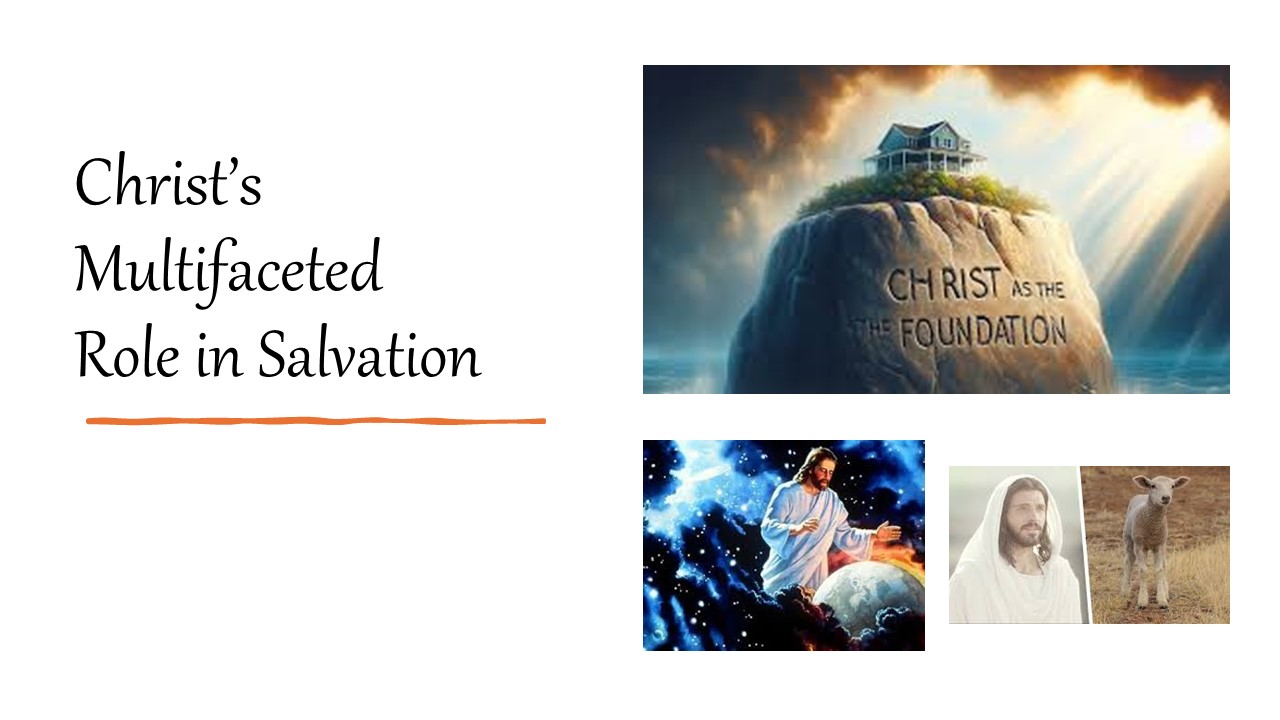
Today’s episode explores the multifaceted roles of Jesus as depicted in 1 Corinthians, offering deep insights into His foundational importance in our lives. Christ...