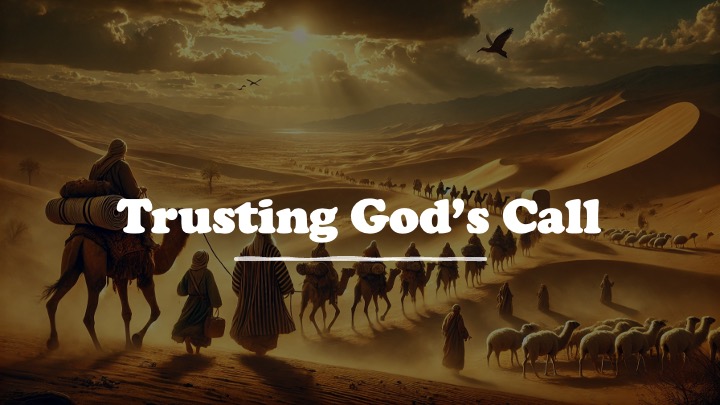
Abram’s journey from Ur to Canaan is one of the most defining moments of faith in the Bible. Called by God to leave behind his homeland, family, and security, Abram stepped into the unknown without a clear roadmap. His obedience demonstrated radical trust, showing that faith often requires us to let go of our comfort zones to embrace God’s greater purpose. This story reminds us that when God calls, He provides, even if the path ahead is uncertain. Like Abram, we are often faced with decisions that require trust in God’s promises rather than reliance on what we can see.
Despite the challenges, Abram believed in God’s covenant, which promised him a great nation, a great name, and great blessings. Though he had no children at the time, he trusted that God’s plan would unfold in ways beyond his understanding. His journey was not without obstacles—he traveled through foreign lands, encountered opposition, and had moments of uncertainty—but his faith remained steadfast. Through it all, Abram built altars to worship God, marking key moments of divine assurance. This teaches us that faith is not about having all the answers but about worshiping and trusting God at every step.
Abram’s willingness to obey serves as an invitation for us to examine our own faith. Do we trust God’s leading, even when we don’t know all the details? Are we willing to step into the unknown, believing that He is faithful? Like Abram, we are called to leave behind whatever holds us back, embrace God’s promises, and walk in obedience. Faith is not passive; it requires movement. The question is: Will we trust God enough to take the first step?

On the day of Pentecost, Longinus watches as three thousand people from all walks of life—merchants, pilgrims, and those who once demanded Jesus's death—are...

In this bonus episode, the second of a two-part celebration of a thousand episodes, we replay highlights from our first episode, interview the founder/director...
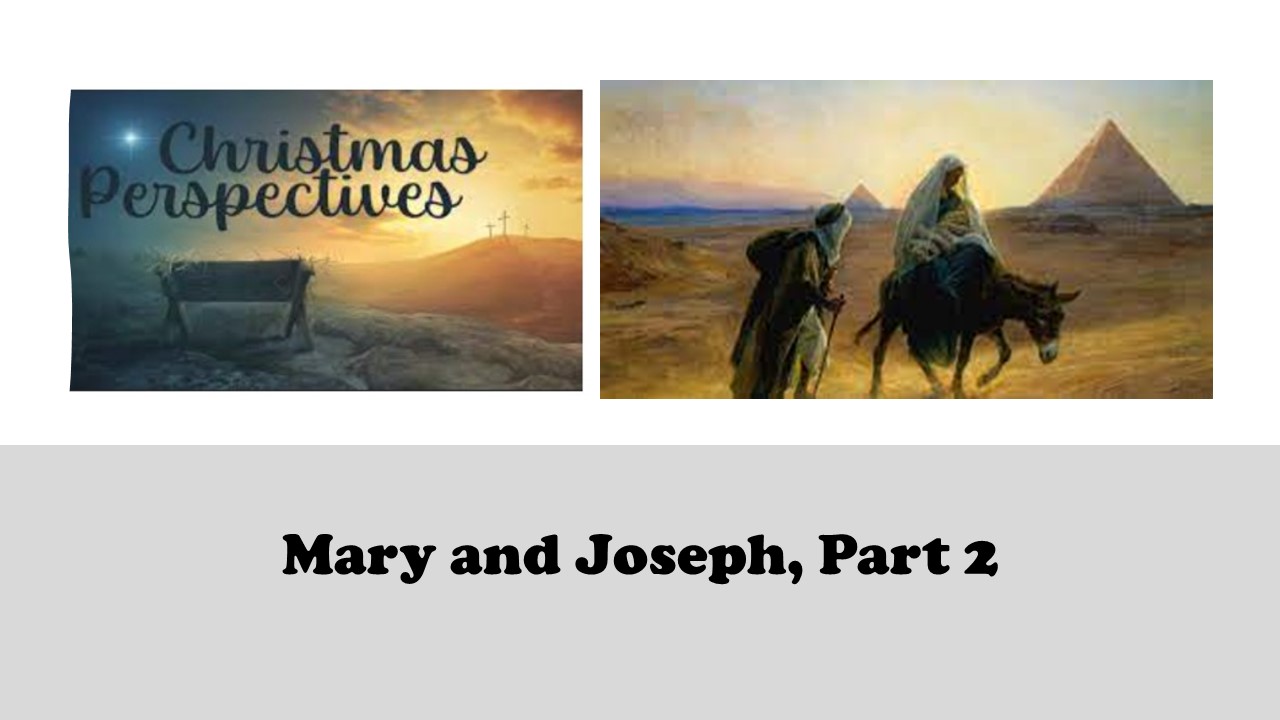
Mary and Joseph reflect on their journey following the birth of Jesus, starting from the visit of the Magi to their flight to Egypt...