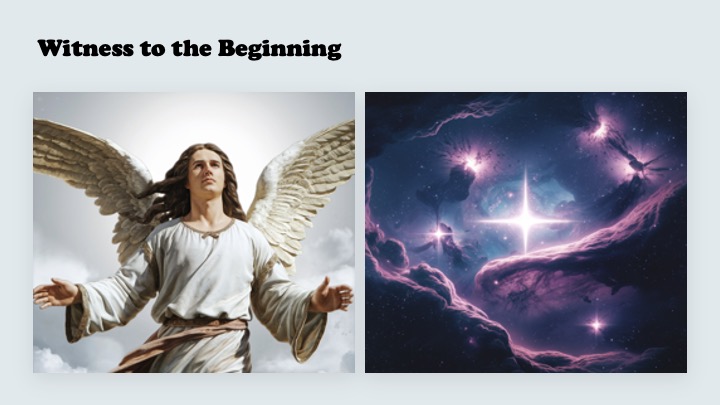
This dramatic monologue captures the awe-inspiring moment of creation through the eyes of a celestial being who witnessed the birth of the universe. From the formless void to the emergence of light and the intricate design of life, the monologue recounts each day of creation as an intentional act of divine artistry. The angel marvels at the Creator's power, recounting the intricate balance of ecosystems, the majesty of celestial bodies, and the profound act of creating humanity in God’s image.
The narrative emphasizes the uniqueness of humanity, not only as stewards of creation but as beings made in the Creator's likeness, capable of fellowship with Him. The angel observes the intimate moment when man and woman are formed, reflecting the Creator's love and relational nature. As the seventh day arrives, the angel reflects on the Creator’s rest, recognizing it as a holy pause—a rhythm of worship woven into the fabric of existence.
Throughout the monologue, the celestial being is filled with awe and humility, recognizing that while it witnessed creation, it cannot fully grasp the depths of the Creator's wisdom and love. The story concludes with a reflection on humanity's enduring role as image-bearers, the beauty of God's handiwork, and the continuing echo of the Creator's voice in the ongoing story of existence. It reminds us that creation is not just a past event but a living testament to the power and presence of the Creator.

In a day when women were considered second-class, Jesus shattered prejudices and elevated the status of women to unprecedented heights. This elevation began before...
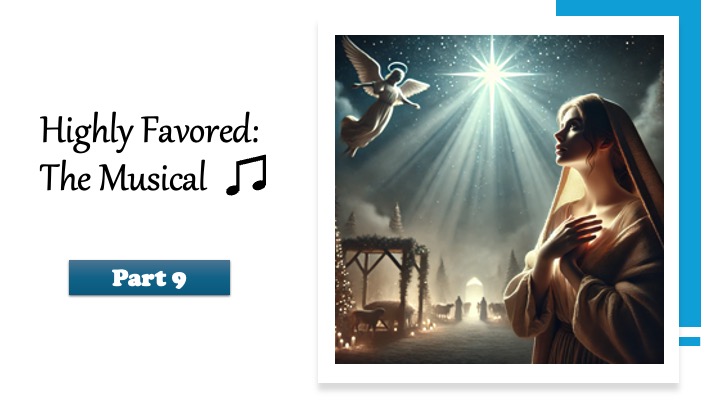
In Highly Favored: Part 9, Joseph wrestles with Mary’s unexpected and shocking revelation that she is carrying a child conceived by the Holy Spirit....
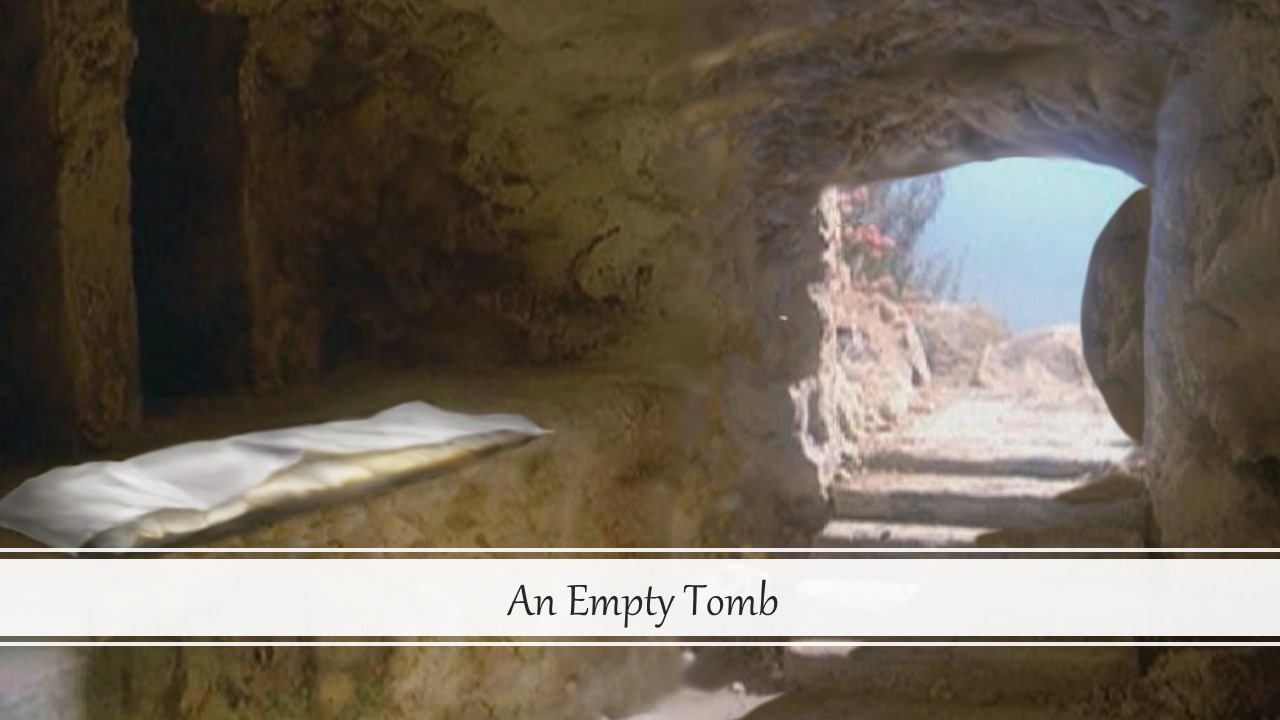
On a given day, hundreds, perhaps thousands of people from around the world visit the Church of the Holy Sepulchre in the Christian Quarter...