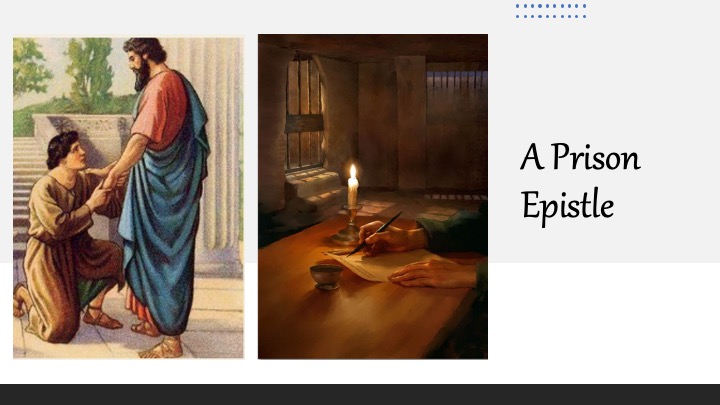
Philemon was a first-century Christian and a slave owner who also hosted a church in his home, most likely in Colossae. The apostle Paul had led Philemon to faith on one of his visits to Asia Minor. The book of Philemon is a personal letter from the apostle Paul to his friend Philemon whom he calls a “dear friend and fellow worker” (Philemon 1:1).
In the letter, Paul appeals to his friend on behalf of a runaway slave named Onesimus. Onesimus had somehow connected with Paul, who was imprisoned in Rome. Onesimus became a believer, but, because he was considered the property of Philemon, Paul sent him back to his owner with a letter.
The letter draws a beautiful distinction between the law and grace. It is a template for how those in authority ought to treat those in their charge. It reminds us that God has a personal interest in each of us. And it raises questions for us about forgiveness.
Scriptures referenced in this episode include the entire book of Philemon and Ephesians 3:1; Colossians 4:1, 18; Philippians 1:12–14; and Acts 23:11.

There are 800 proverbs in this book. And each of these sayings can be used for gaining wisdom and instruction; for understanding words of...

Practicing honor in the modern world is an active, embodied discipline rather than a sentiment of nostalgia. It begins with the cultivation of gratitude,...
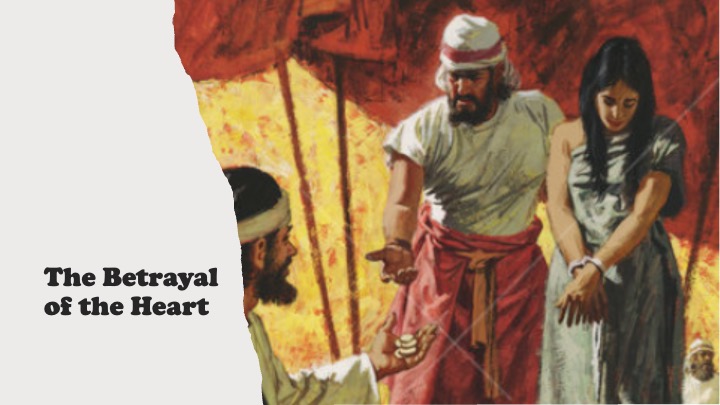
The Seventh Commandment, "You shall not commit adultery," is traditionally viewed through the lens of physical infidelity, but the prophets of Israel reveal it...