Episode 7
Following his dismissal for reporting the resurrection, Longinus reflects on the nature of power, noting that those in authority, like Pilate, often dismiss incomprehensible truths as mere "inconveniences". Despite his subordinate Marcus’s urging to let the matter go, Longinus remains convinced that the fear experienced by the tomb guards was not typical battlefield terror but something divine. His conviction is further strengthened by a soldier who refused the chief priests' bribe, testifying that the event at the tomb was unlike any human conflict he had ever faced.
Driven by a need for the truth, Longinus begins an investigation, interviewing several witnesses who claim to have seen Jesus alive. Mary Magdalene describes a profound moment of recognition when Jesus called her by name at the empty tomb, while two travelers recount walking and breaking bread with him on the road to Emmaus. Other disciples share a hushed account of Jesus appearing in a locked room, showing them the wounds in his hands and side where the nails and spear had pierced him.
These diverse testimonies converge into a single, undeniable truth for Longinus: despite having personally witnessed the execution and driven the spear into Jesus's side, he is certain that Jesus is alive. He concludes that while Rome had the authority to execute the man, they did not have the power to end him. Meanwhile, Pilate and Caiaphas finalize the centurion's removal from command, replacing him with a bribed soldier and leaving the growing reports of the resurrection to be handled as a local religious matter.
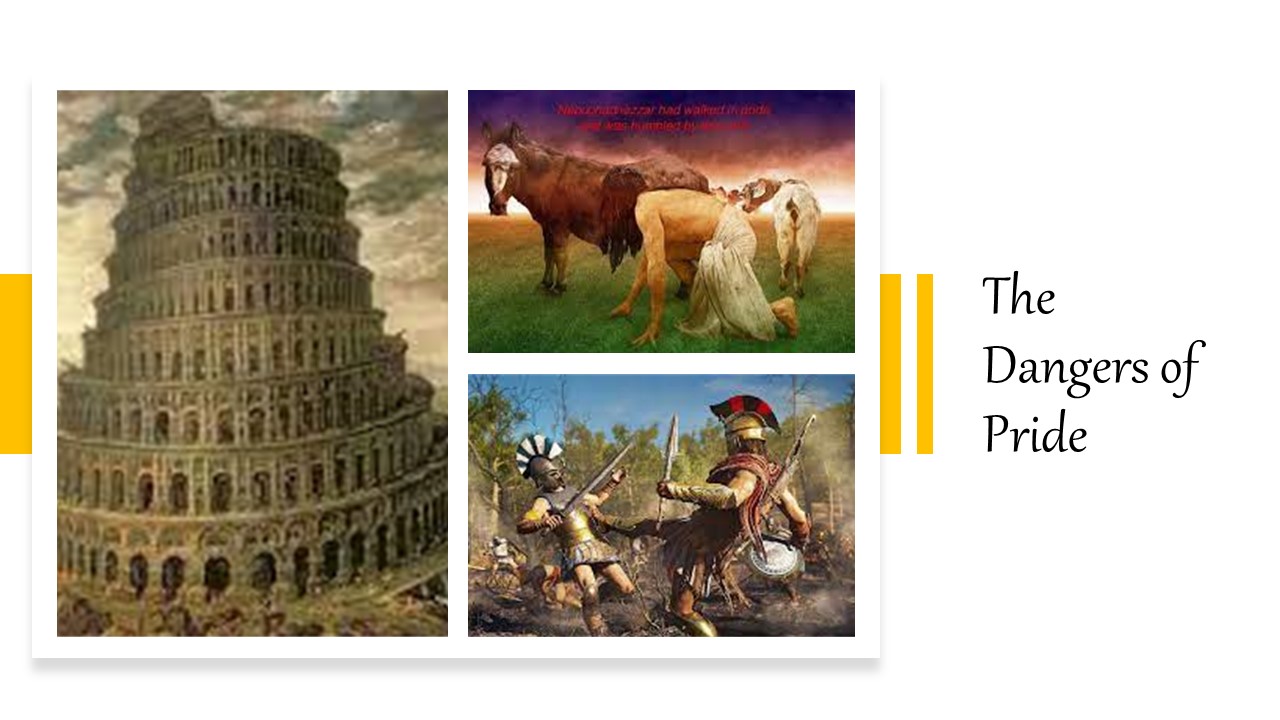
Throughout history, pride has been a precursor to downfall, as seen in the narratives of the Tower of Babel, the Peloponnesian War, and Nebuchadnezzar's...

In Part 6 of The Disciple Whom Jesus Loves, the story follows Jesus and His disciples as they leave Jerusalem after the Passover and...
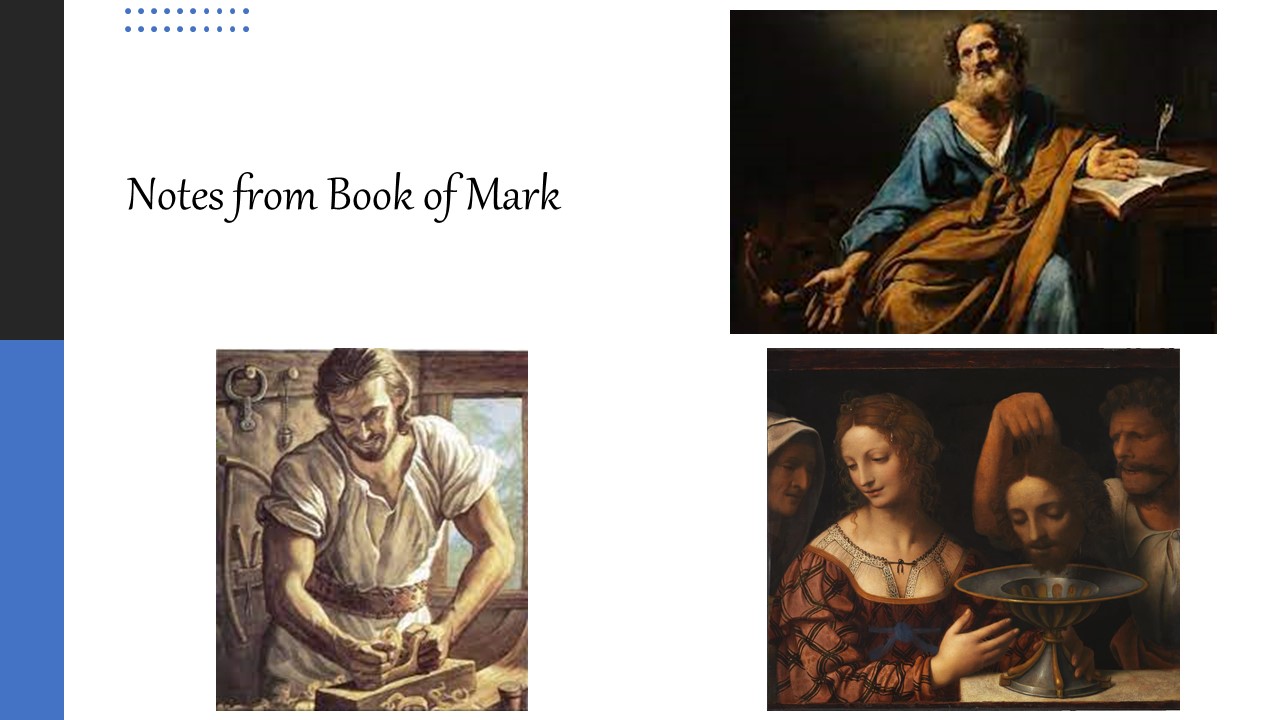
In Today’s Top Ten List, we explore ten notes from the book of Mark that make this gospel both unique and powerful. They range...