After the birth of Jesus in the cave, Leah and Miriam completed their work, with Leah feeling a mix of relief and profound confusion. She noted Mary's remarkable recovery, which seemed to defy the exhaustion of labor. When Leah questioned who she was, Mary simply replied, “I'm just a handmaiden. A servant of the Lord. Who said yes when He asked,” solidifying the sense of mystery surrounding her. Once Miriam departed and Mary was settled, Leah found Joseph outside, whose anxiety instantly dissolved into overwhelming relief upon hearing that he had a healthy son and that Mary was well. Joseph rushed inside to meet his child, leaving Leah and Simon alone outside, where Leah confessed her inability to sleep, feeling “awake” and sensing a fundamental change in the air—a feeling Simon dismissively attributed to exhaustion, though Leah suspected it was the prophetic realization Ruth had spoken of.
Inside the stable, Mary and Joseph shared an intensely tender and intimate moment with their newborn son. Mary gently corrected Joseph that they had completed the ordeal together, thanking him for his unwavering belief and support. Joseph, kneeling beside her, was awe-struck, recognizing the infant as "God’s Son" entrusted to them. Mary, studying the baby, noticed he had Joseph's nose and described the experience: hearing his cry made everything the angel promised “finally become real.” They affirmed the baby's name, Jesus (Yeshua, meaning “The Lord saves”), and Joseph whispered a vow to the child, promising he would “never lack love.”
Leah remained outside the stable, consumed by the extraordinary event. The scene closes with the young family safe in the humble cave, the King of Kings asleep on the hay, the stars bright above, and Leah standing watch outside, a silent, humble witness to the moment where the divine intersected with the chaos of an innkeeper's life.
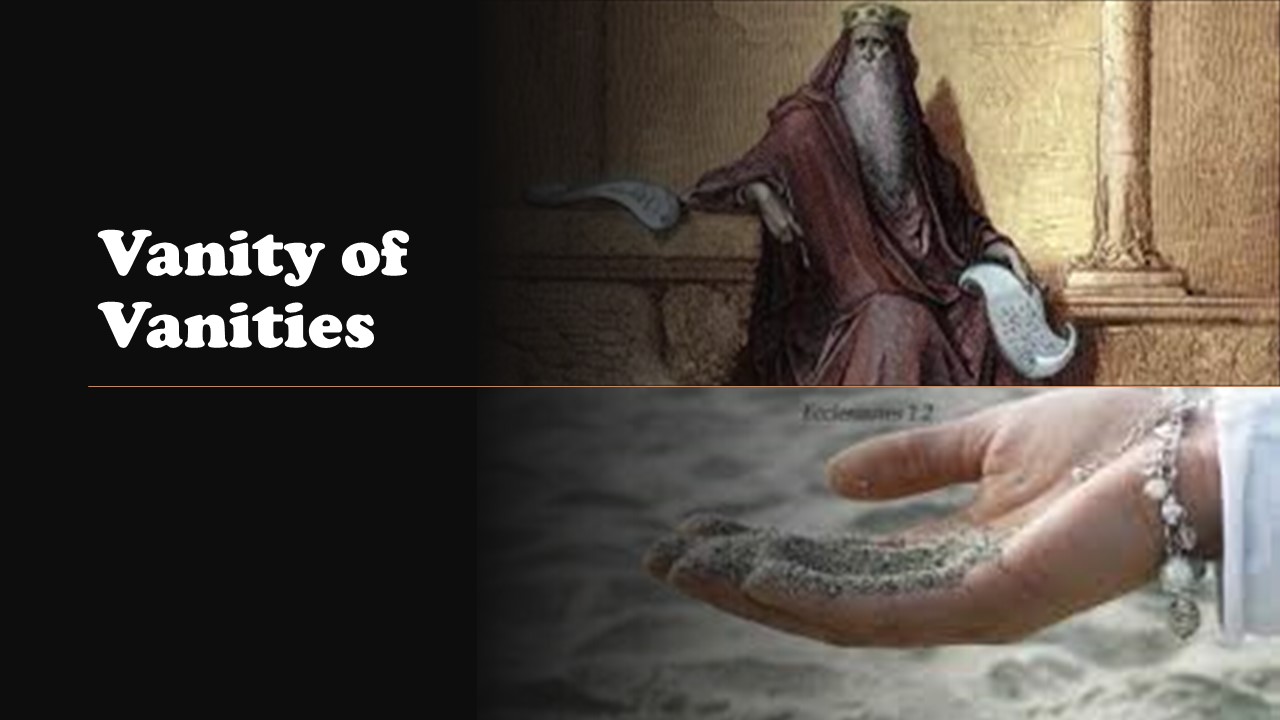
The book of Ecclesiastes captures the essence of life's fleeting nature with the phrase “vanity of vanities.” Originating from the Latin word “vanitas,” it...
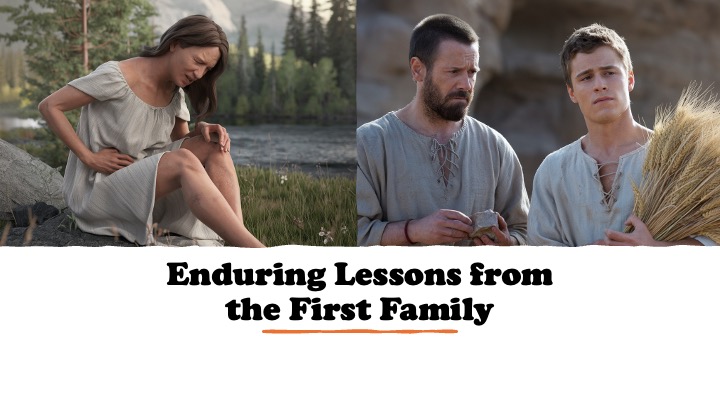
The story of the first family in Genesis offers profound lessons about humanity’s relationship with God and each other. From Adam and Eve’s fall...
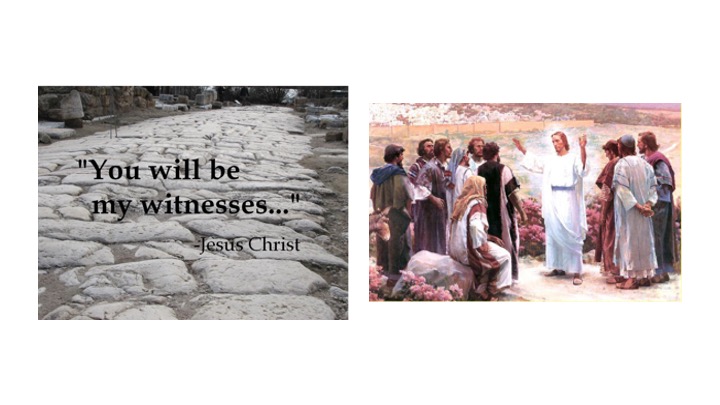
We explore what we know about the name of the book: Acts of the Apostles, its author, and its most important themes. The story...