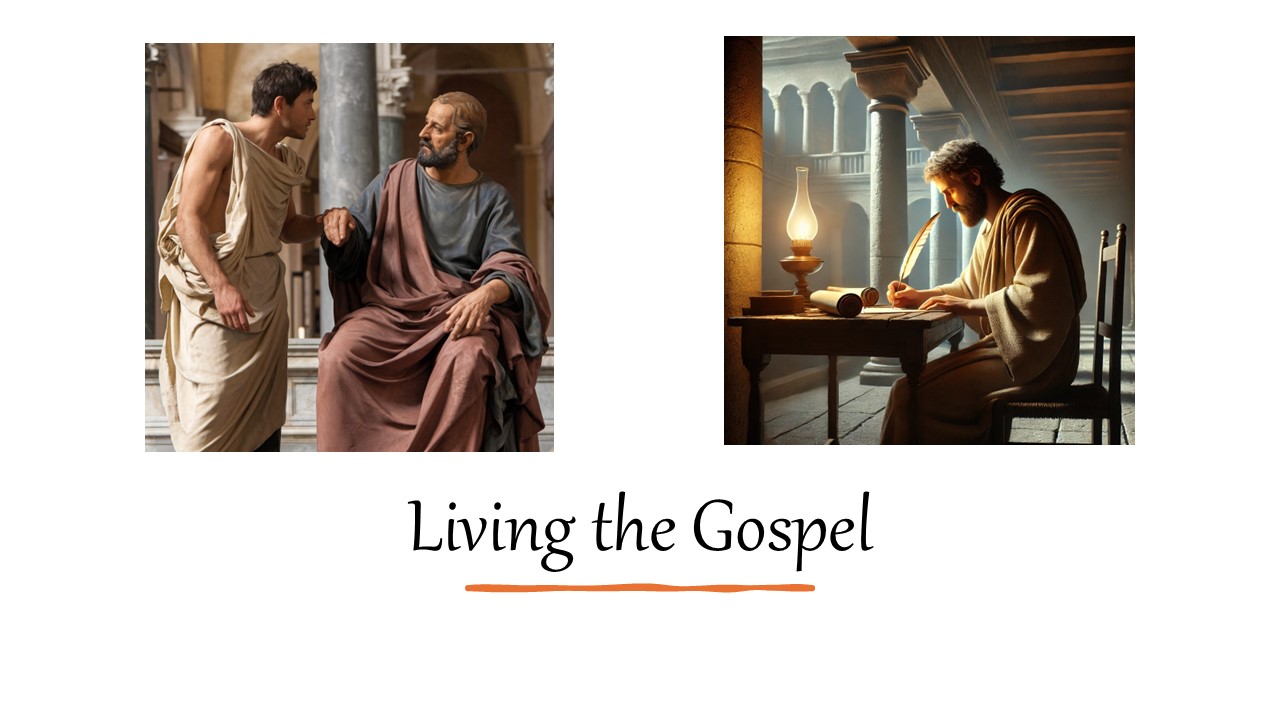
The book of Philemon offers rich lessons for believers today on how to live out their faith in practical and meaningful ways. Through Paul's appeal to Philemon to forgive Onesimus and receive him as a brother in Christ, we see the importance of forgiveness and reconciliation in Christian relationships. These acts are not just about mending conflicts but about restoring fellowship and promoting unity in the body of Christ.
Paul’s letter also highlights the transformative power of the Gospel, which can change hearts and redefine relationships, as seen in Onesimus's conversion from a runaway slave to a valued brother and helper in the faith. This transformation calls believers to view each other through the lens of Christ’s love, beyond societal or cultural barriers, fostering equality and unity among all people.
Finally, the letter encourages us to embody our faith through actions that align with the teachings of Jesus, advocating for those in need, exercising gentle persuasion in leadership, and living generously. These lessons challenge us to be courageous in our faith, make choices that reflect God's love, and demonstrate His grace to the world around us, ultimately showing that faith is an active, living force that influences every aspect of our lives.

John 15:19 states, “If you were of the world, the world would love you as its own; but because you are not of the...

In the Bible, Jeremiah and Jesus powerfully convey themes of judgment and hope. Jeremiah, amidst Judah's turmoil, prophesied severe consequences for societal sins, urging...
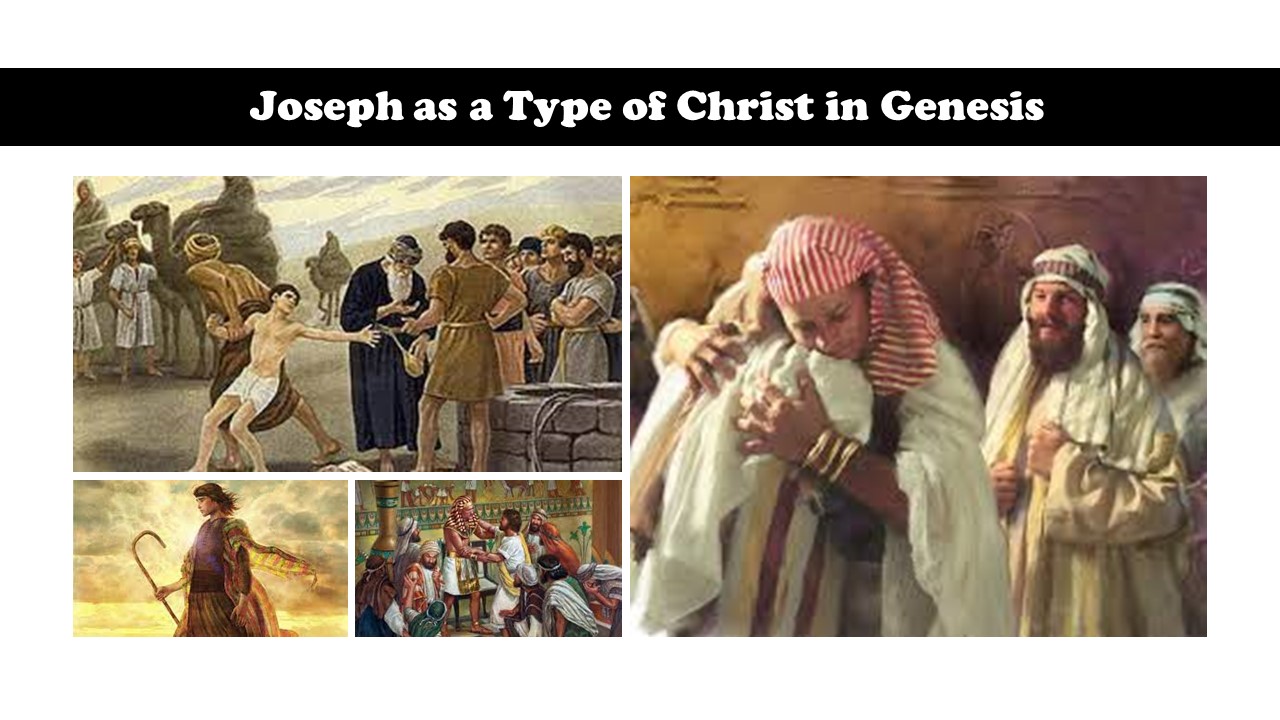
The story of Joseph begins with a happy household in the valley of Hebron, but Joseph's special treatment from his father leads to jealousy...