This episode delves into the Gospel of Luke, the longest book in the New Testament by word count. Luke's Gospel is distinguished by its formal prologue where Luke declares his intention to provide an orderly account based on careful investigation and eyewitness testimony, setting a scholarly tone. The Gospel is noted for its historical precision, mentioning specific rulers and contextual details that ground Jesus' story in a tangible historical setting. Luke’s narrative is particularly attentive to marginalized groups, including detailed accounts of women playing significant roles in Jesus' ministry and unique parables like the Good Samaritan and the Rich Man and Lazarus, which emphasize social justice and compassion. Additionally, Luke includes unique miracles and the detailed journey of Jesus towards Jerusalem, culminating in detailed post-resurrection appearances and the sole canonical account of Jesus’ ascension. This comprehensive portrayal underscores God's inclusive plan of salvation and the fulfillment of divine promises, making Luke's Gospel a pivotal resource for understanding Jesus' life and ministry.

The Parable of the Fig Tree (Matthew 24:32-35) serves as a vital, focused teaching within the Olivet Discourse, urging Jesus' followers toward spiritual discernment...

The Sermon on the Mount, recorded in the Gospel of Matthew, includes some of the most well-known teachings of Christ. Jesus didn’t come to...
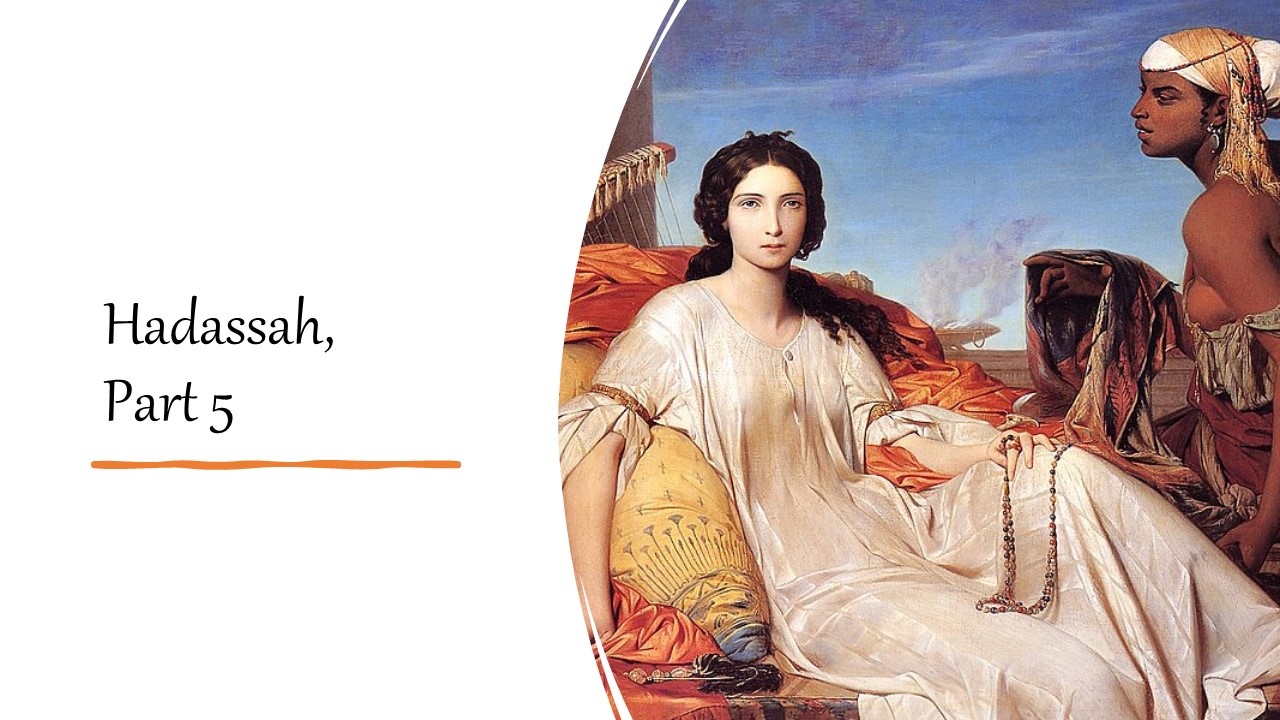
In Part 5 of the story of Hadassah, after the deposition of Queen Vashti, King Ahasuerus of Persia seeks a new queen. His officials...