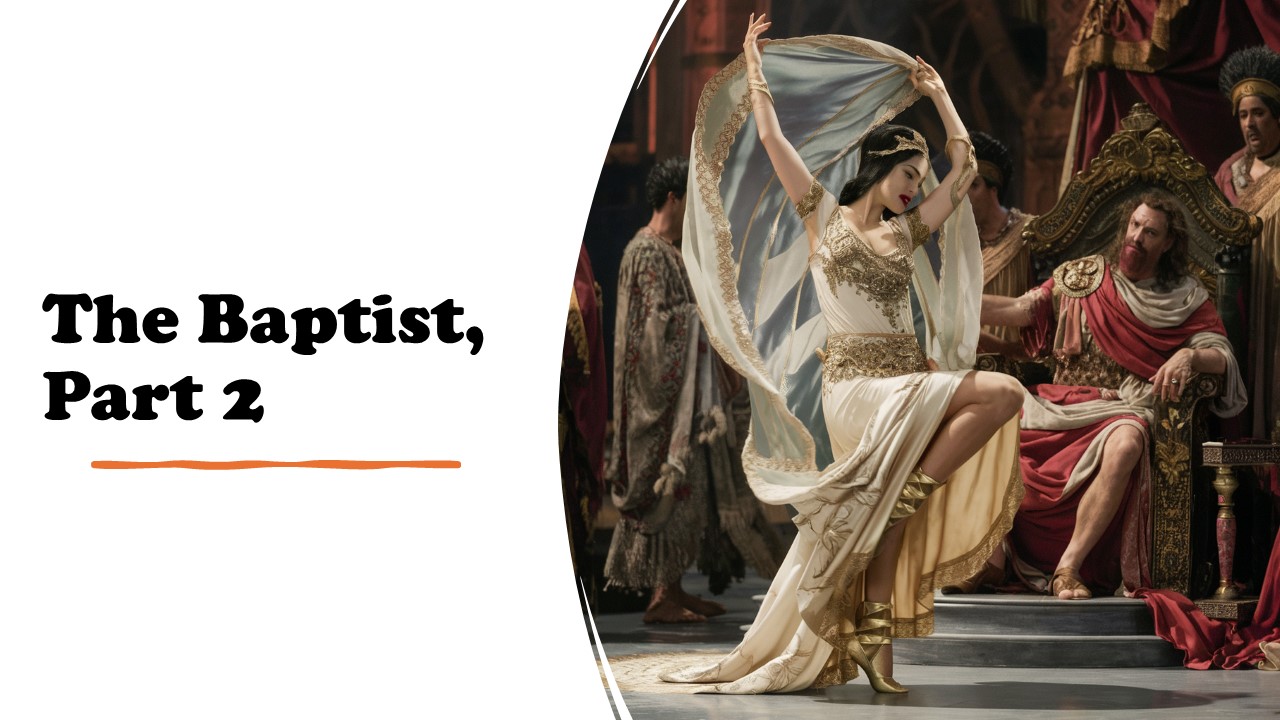
John the Baptist, imprisoned for criticizing Herod Antipas' marriage, sends a disciple to inquire about Jesus. The disciple returns with news of Jesus' miracles and message of repentance, confirming John's belief that Jesus is the one to come.
Meanwhile, Herodias, Herod's wife, harbors a deep grudge against John for his condemnation of their union. During Herod's birthday celebration, she manipulates her daughter, Salome, into requesting John's head on a platter as a reward for her captivating dance.
Herod, initially hesitant, feels trapped by his public promise and reluctantly orders John's execution. This tragic event underscores the power of evil and the consequences of unchecked hatred, even within the context of a joyous celebration.
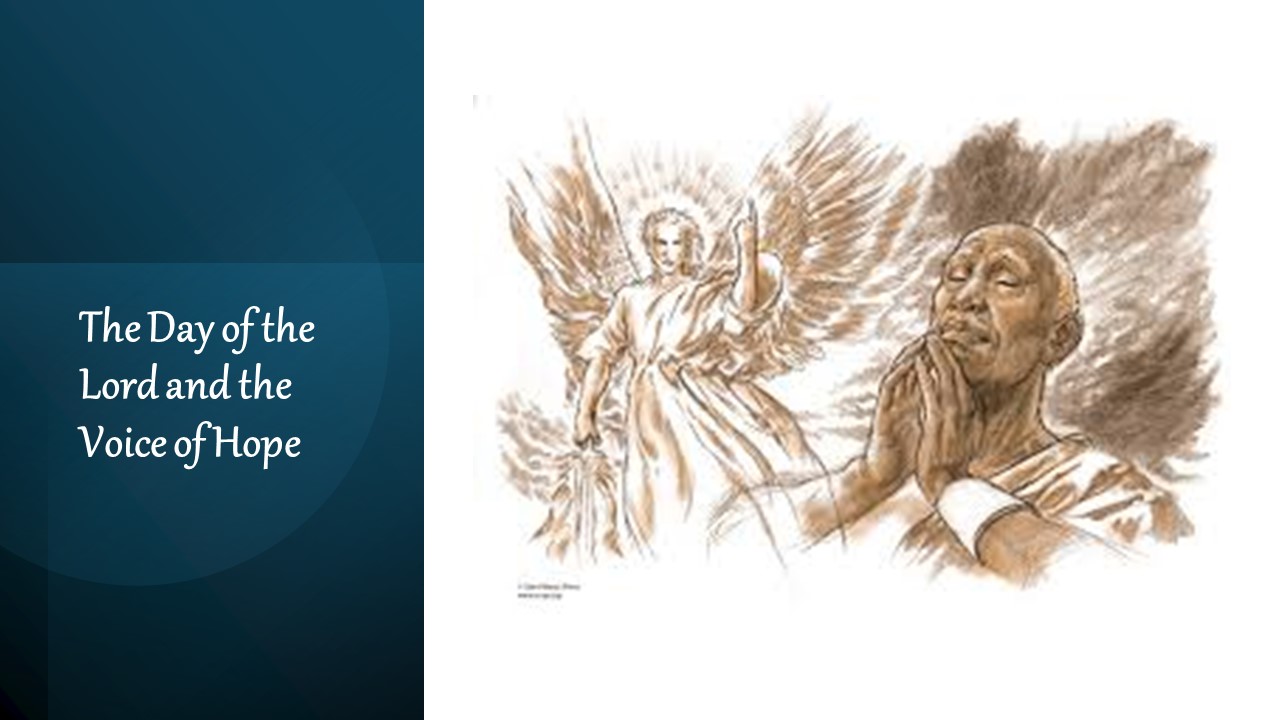
Today’s episode explores the life and prophecies of Zephaniah, a minor prophet in the Old Testament. It begins by introducing Zephaniah, including his unique...
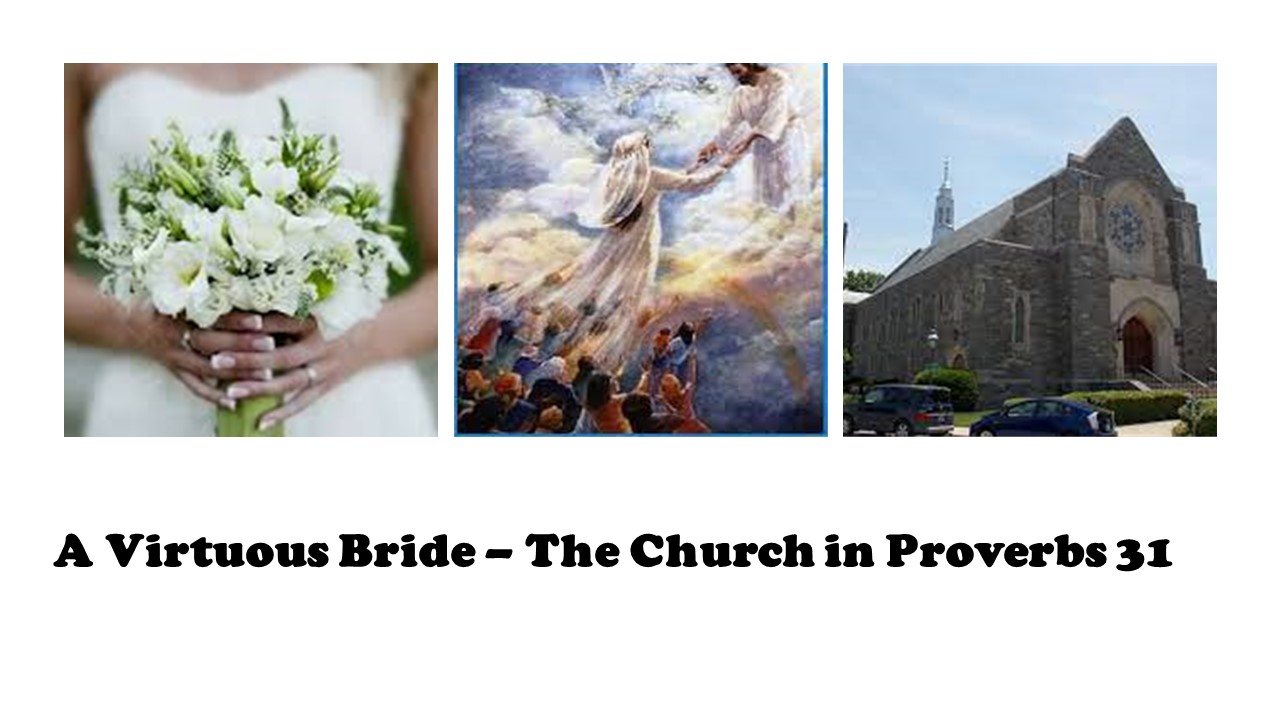
The Book of Proverbs offers insights into the roles and portrayals of women, emphasizing both virtues and cautioning against negative behaviors. Proverbs 31:10-31 presents...
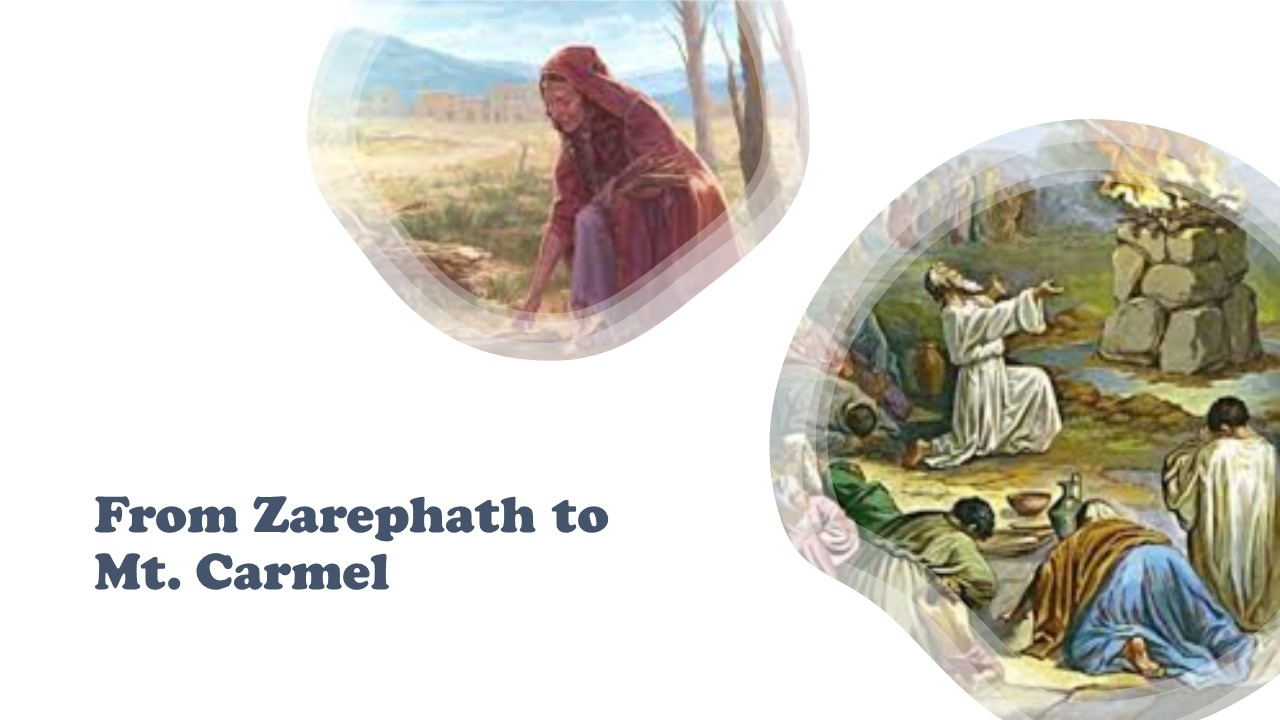
Despite being associated with the worship of the pagan deity Baal, Zarephath became the place where God led Elijah during the drought. This decision...