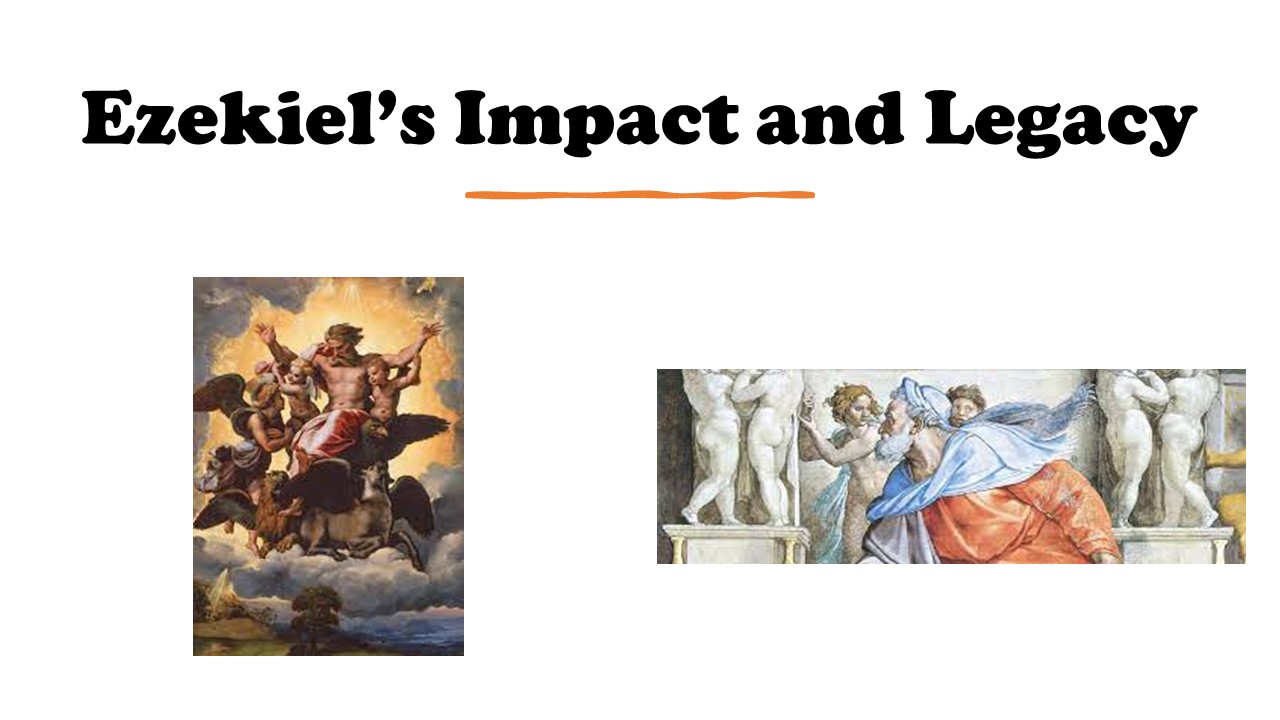
Ezekiel, active during a tumultuous period of exile for the Israelites, left a lasting impact on early Christian thought through his messages of judgment, hope, and individual accountability. His visions, like the valley of dry bones and the chariot throne, influenced concepts like the Messiah, divine judgment, and resurrection. Themes of individual responsibility, the new temple, and God's sovereignty shaped early Christian beliefs and practices. Ezekiel's enduring influence extends beyond theology, inspiring artists, musicians, and social justice movements today. His call for hope and righteousness continues to resonate, reminding us of God's faithfulness and urging us to live with integrity and advocate for a better world.
Today, we wrapped up our search for Jesus in the Book of Ezekiel.
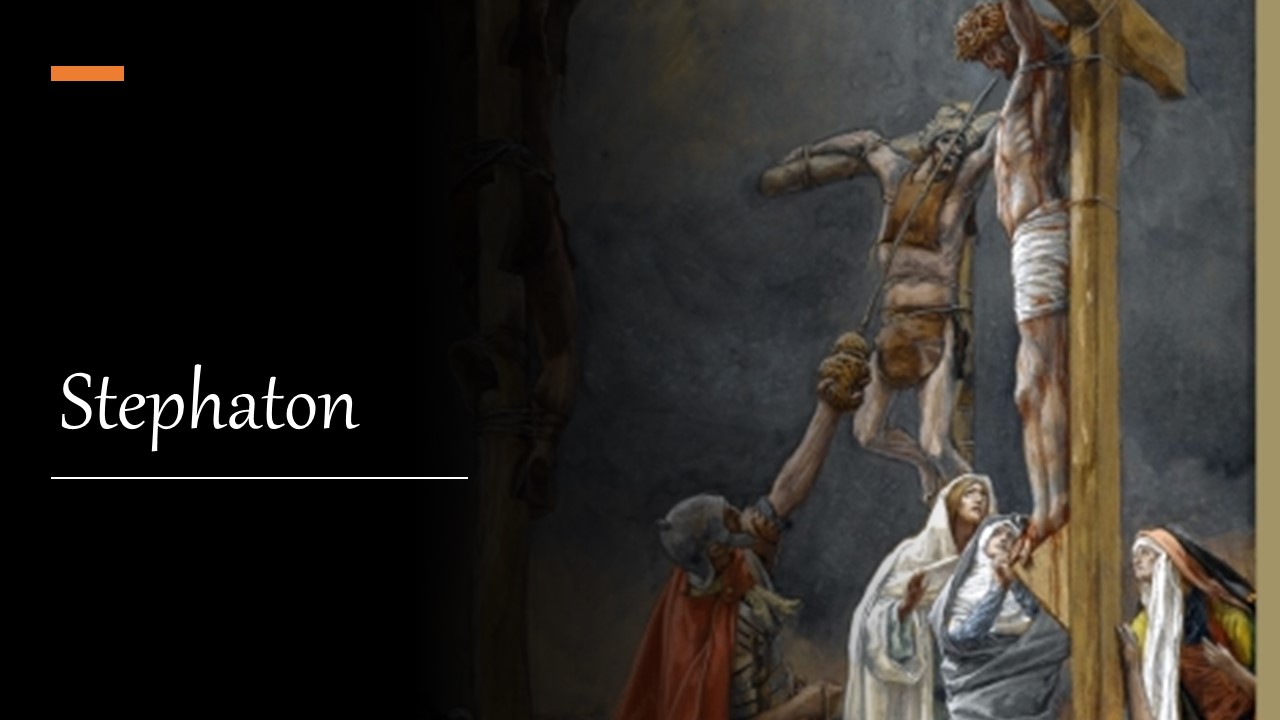
We continue with “Perspectives on Easter” – our series focused on the people who played both major and minor roles in the Easter narrative,...
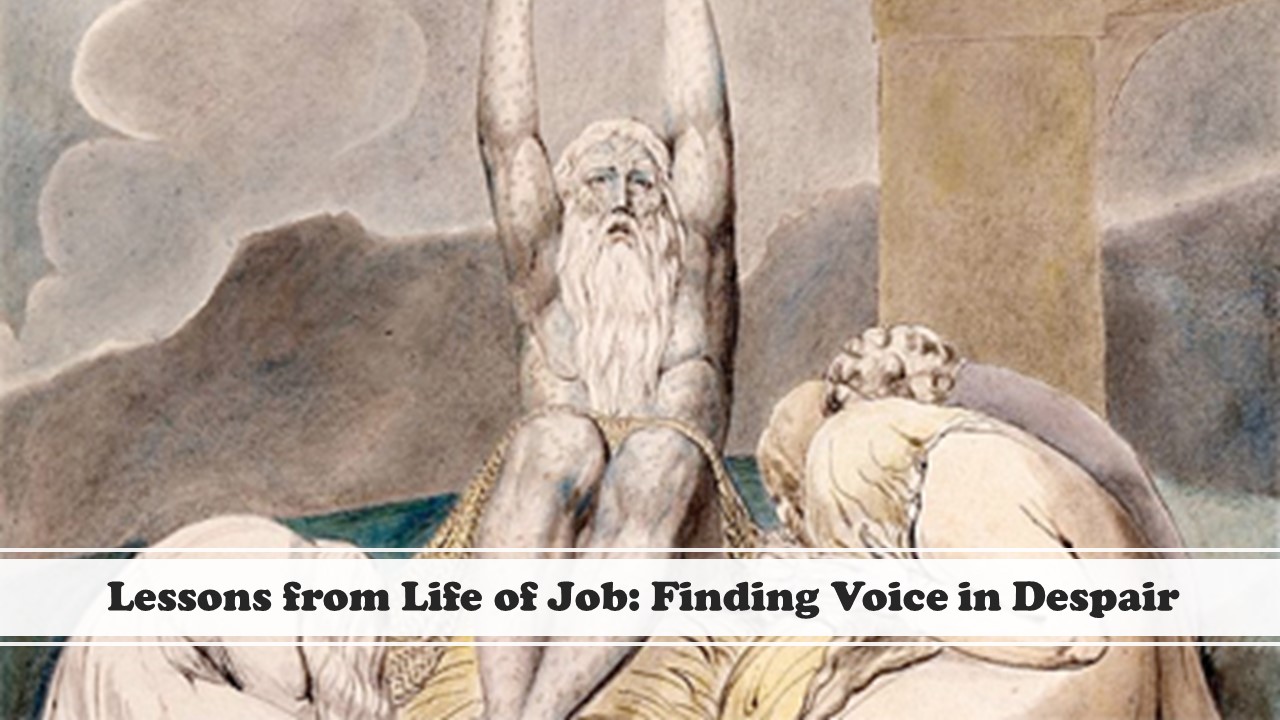
Job, a devout and wealthy man, suffers immense losses and afflictions. His friends Eliphaz, Bildad, and Zophar, suggest that his misfortunes are due to...
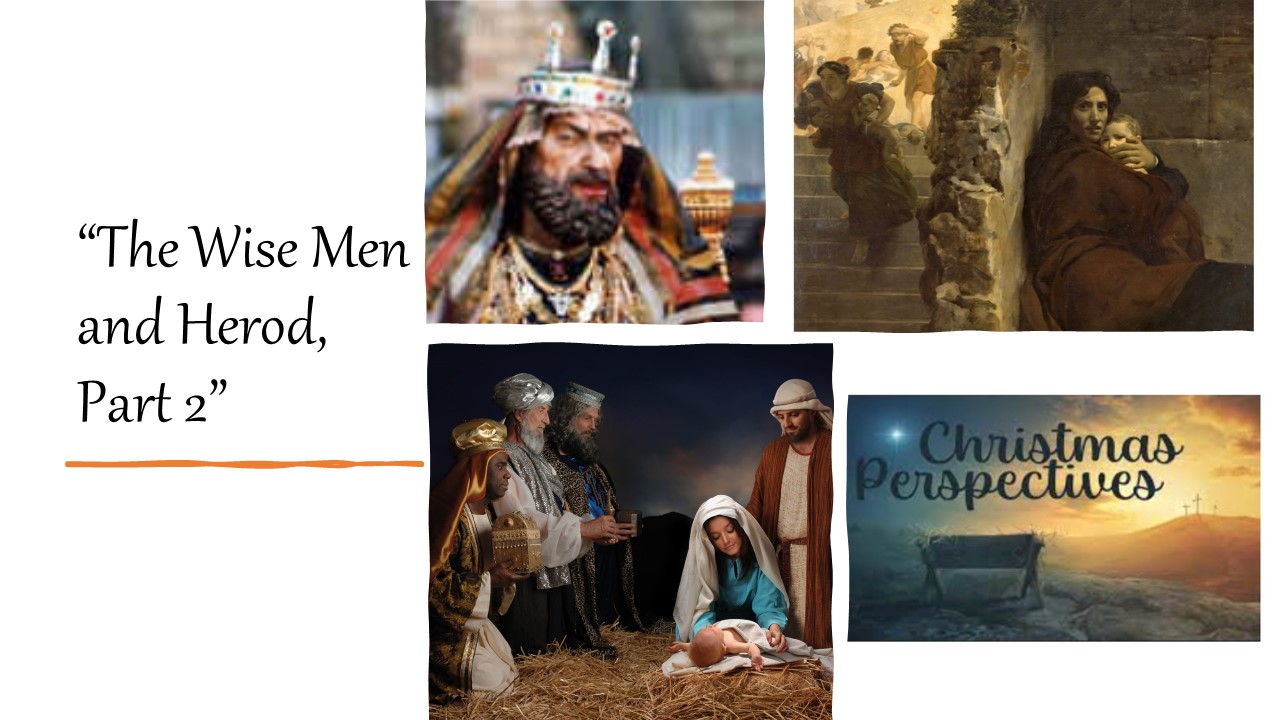
Herod's palace was filled with an uneasy atmosphere as the Magi recounted their journey to find a child king, born under a unique star....