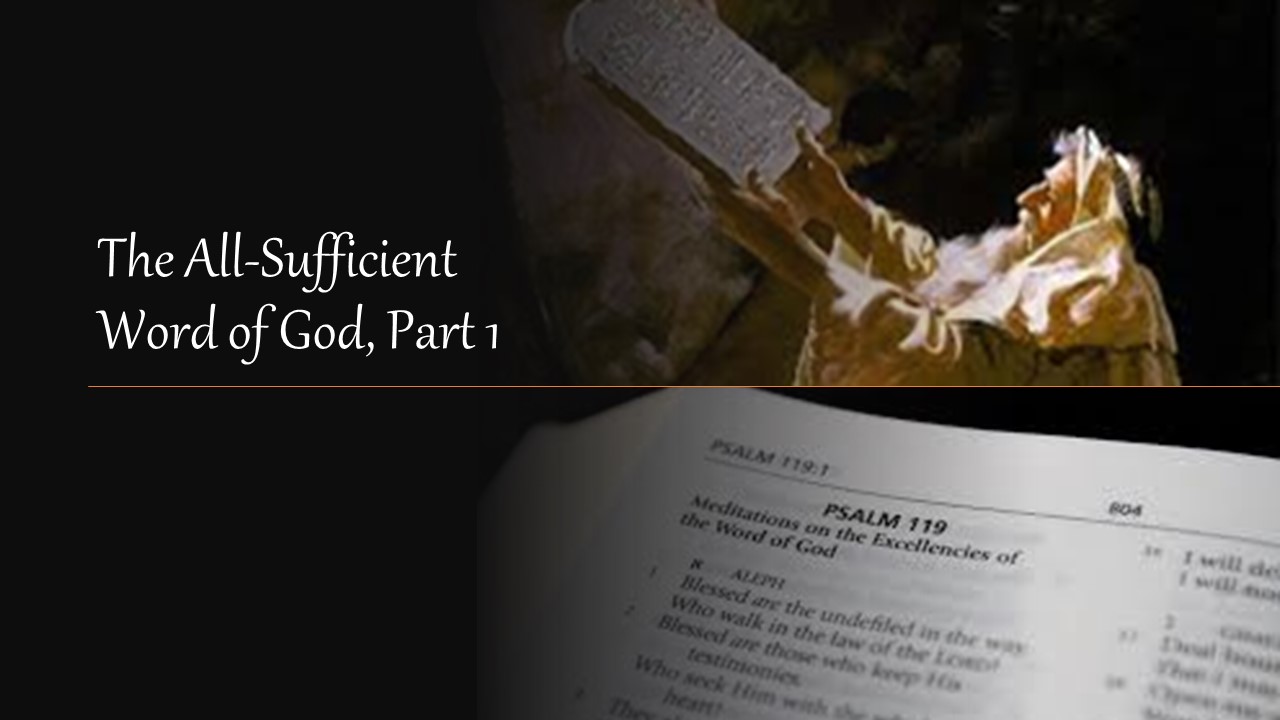
Psalm 119 stands as the longest chapter in the Bible, offering timeless wisdom on walking in God's ways amidst life's complexities. This acrostic poem has 22 stanzas, each corresponding to a Hebrew alphabet letter and containing eight verses. Central to the psalm is the meditation on God's law, with almost every verse referencing it in various terms like decrees, precepts, and commandments. The emphasis is on the individual's bond with God's law, although its verses have found communal use in both Jewish and Christian liturgy.
The Aleph section emphasizes the happiness of those adhering to God’s commands. The Beth section ponders purity and ethical living according to God's Word. The Gimel section seeks profound understanding beyond mere compliance. In the Daleth and He sections, themes of desperation and spiritual longing are evident. The Waw section speaks of God's love and mercy, while the Zayin section finds solace in God's Word during trials.
Ultimately, Psalm 119 serves as a spiritual guide, leading believers toward a deeper, enduring relationship with God.

Hate is not new – it goes back to the earliest days of humanity when Cain murdered his brother Abel. It was evident in...
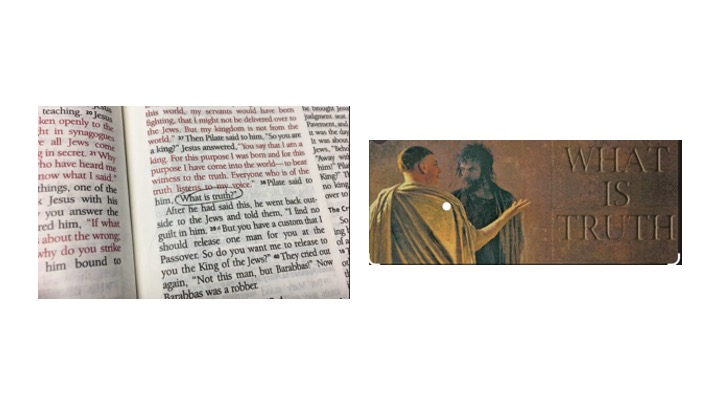
One of the most profound and eternally significant questions in the Bible was posed by an unbeliever. Pontius Pilate—the Roman governor who handed Jesus...
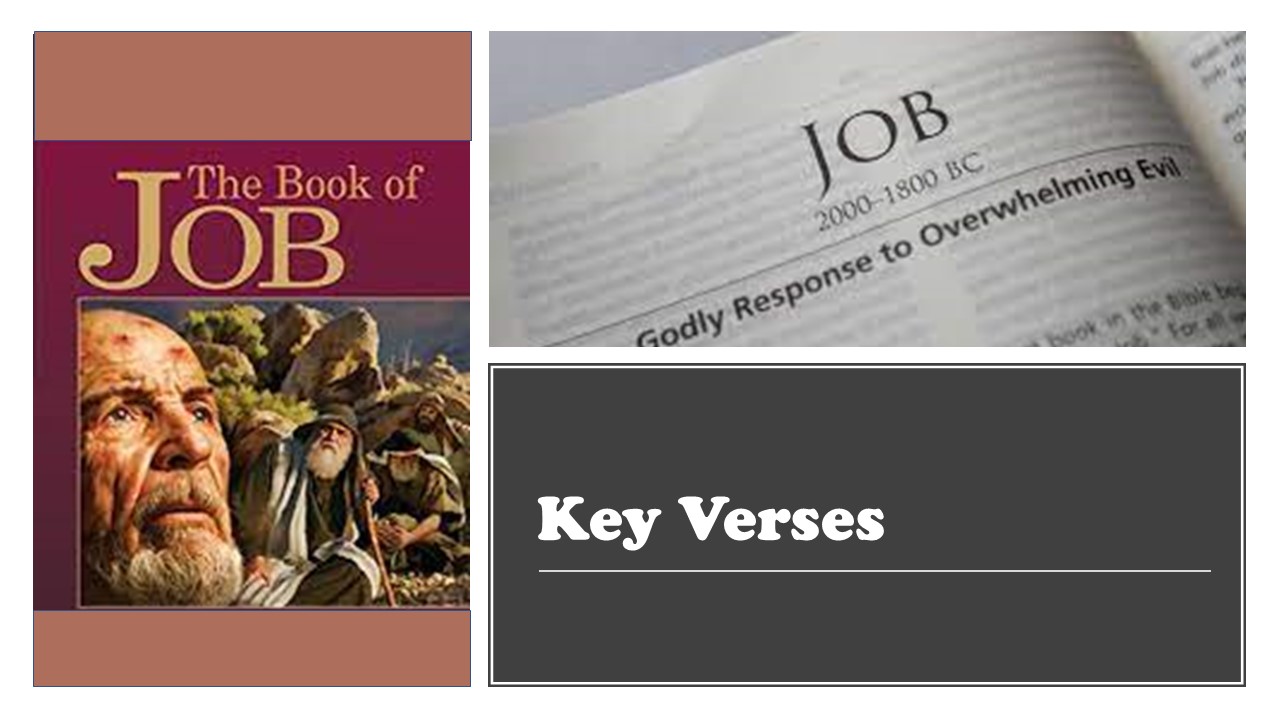
What are some verses in Job on which we ought to meditate? Scriptures referenced include more than 17 different passages in the Book of...