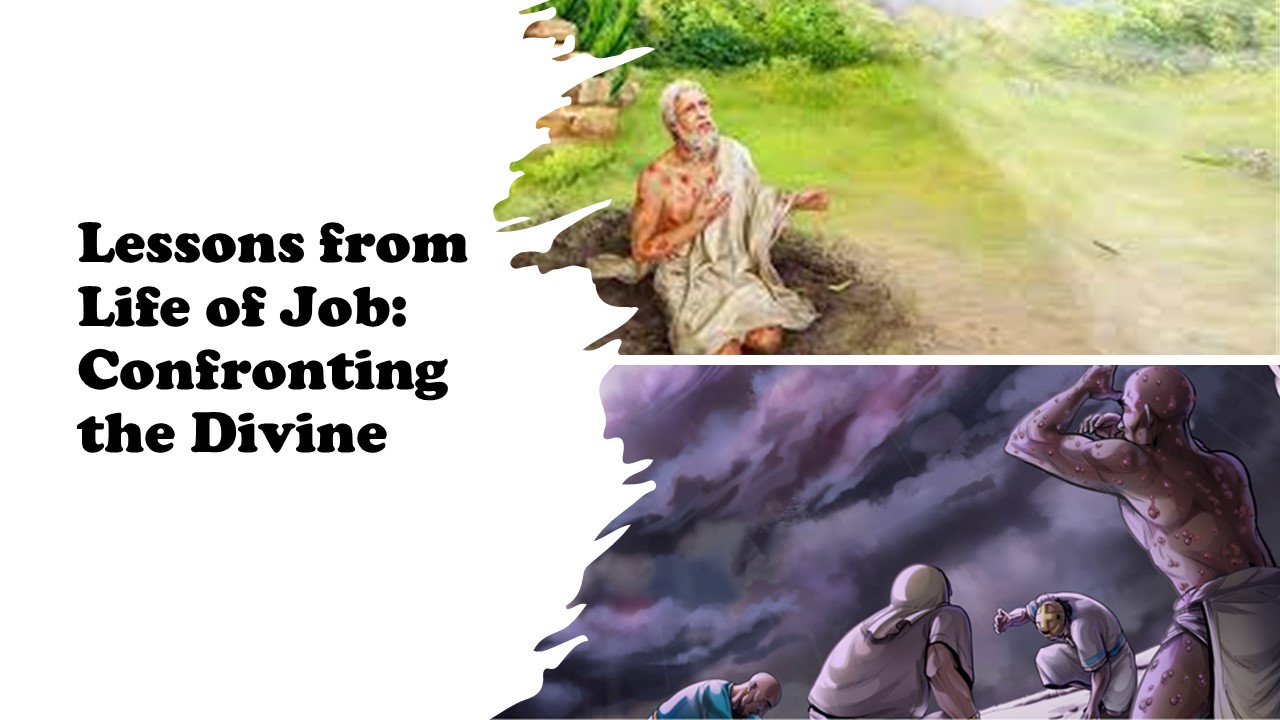
Despite having experienced tremendous suffering and loss. Job still refuses to curse God. Instead, he questions the purpose of his suffering. As he sits amidst the ruins of his life, a whirlwind appears and the voice of God speaks to him from within. God's speech emphasizes His sovereignty over the universe and challenges Job's limited human understanding. God asks Job about the creation of the Earth, the boundaries of the sea, the mysteries of dawn, and the storehouses of snow and hail, highlighting the grandeur of creation that is beyond human comprehension. He questions Job about the paths of lightning, the behaviors of animals, and the mysteries of the cosmos, illustrating the unpredictability and diversity of nature. God's speech, which also references Behemoth and Leviathan, underscores the untamed and chaotic aspects of the natural world that humans cannot control. God challenges Job to find wisdom and understanding, pointing out the limits of human knowledge. As a result of this encounter, Job submits to God's will, and he, his wife Sitis, and his friends, repent of their previous assumptions. Elihu, a scribe, recalls ten highlights from God's speech, focusing on the themes of creation, sovereignty, and human limitation.
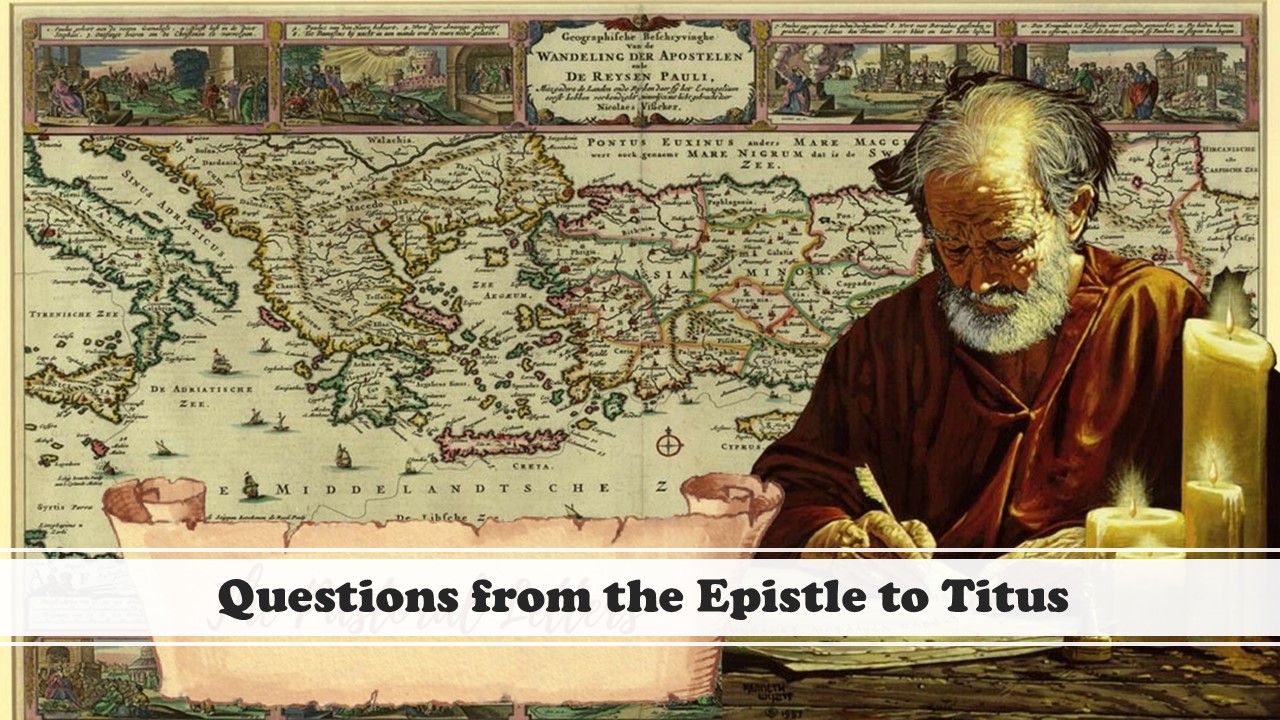
During today’s exploration of Paul's letter to Titus, in a Q&A exchange between a pastor and audience members, we answer several questions that help...

In Episode 20, Demetrius the silversmith described what happened when Paul’s teaching collided with the religious and economic life of Ephesus. Paul persuaded people...

Over the centuries, countless atrocities have been committed in Jesus' name—holy wars, inquisitions, slavery, witch hunts, colonization, and antisemitism—often by Christians who believed they...