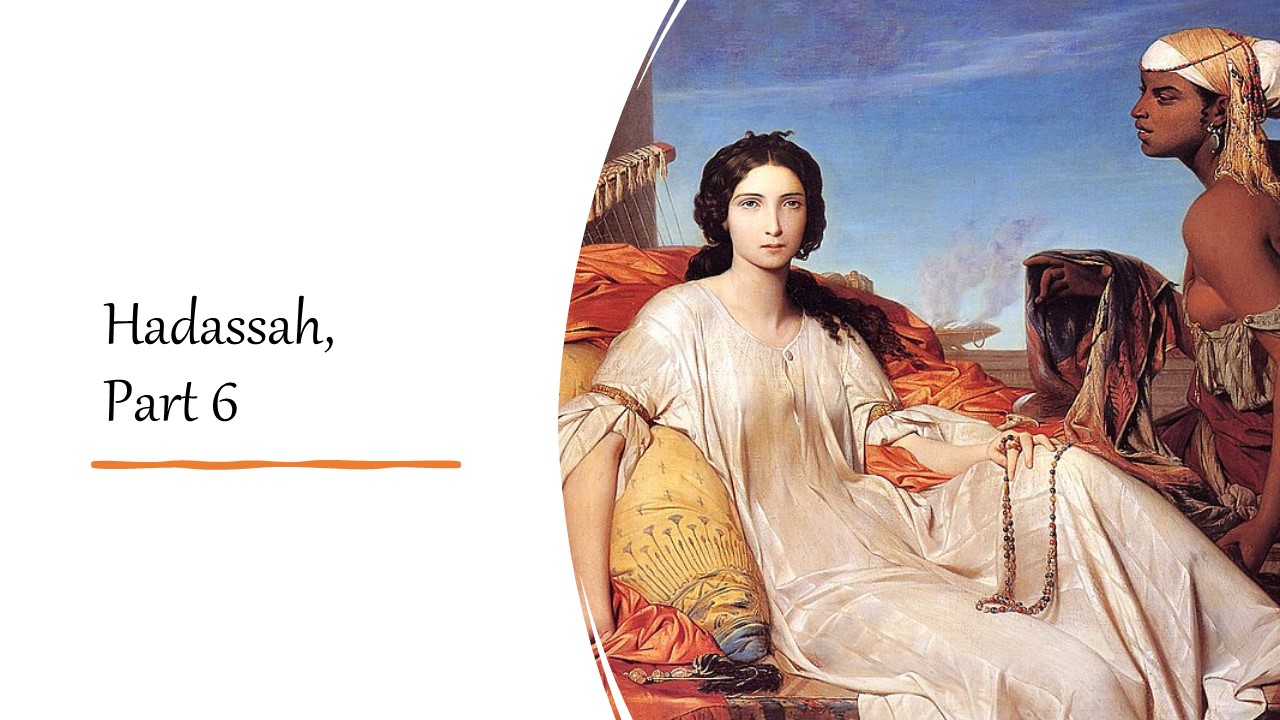
King Ahasuerus promotes the wicked Haman to a position of great authority, demanding that all his servants bow down and pay homage to him. However, Mordecai, a faithful Jewish man and Esther's cousin, refuses to bow to Haman, infuriating the vengeful advisor. Learning of Mordecai's Jewish identity, Haman devises a plot to exterminate all the Jews throughout the Persian Empire. He casts lots (purim) to determine the day for their destruction.
When Mordecai hears of Haman's sinister plan, he mourns and pleads with Esther, now Queen of Persia, to intercede with the king on behalf of their people. Esther is initially hesitant due to the law that anyone approaching the king without invitation risks death, but Mordecai reminds her that she too will not be spared from Haman's wrath.
Esther bravely resolves to approach the king and calls for a three-day fast among the Jews to seek divine guidance and courage.

The Parable of New Wineskins (Matthew 9:16-17) is Jesus’ powerful response to those who questioned why His disciples did not follow traditional religious practices...
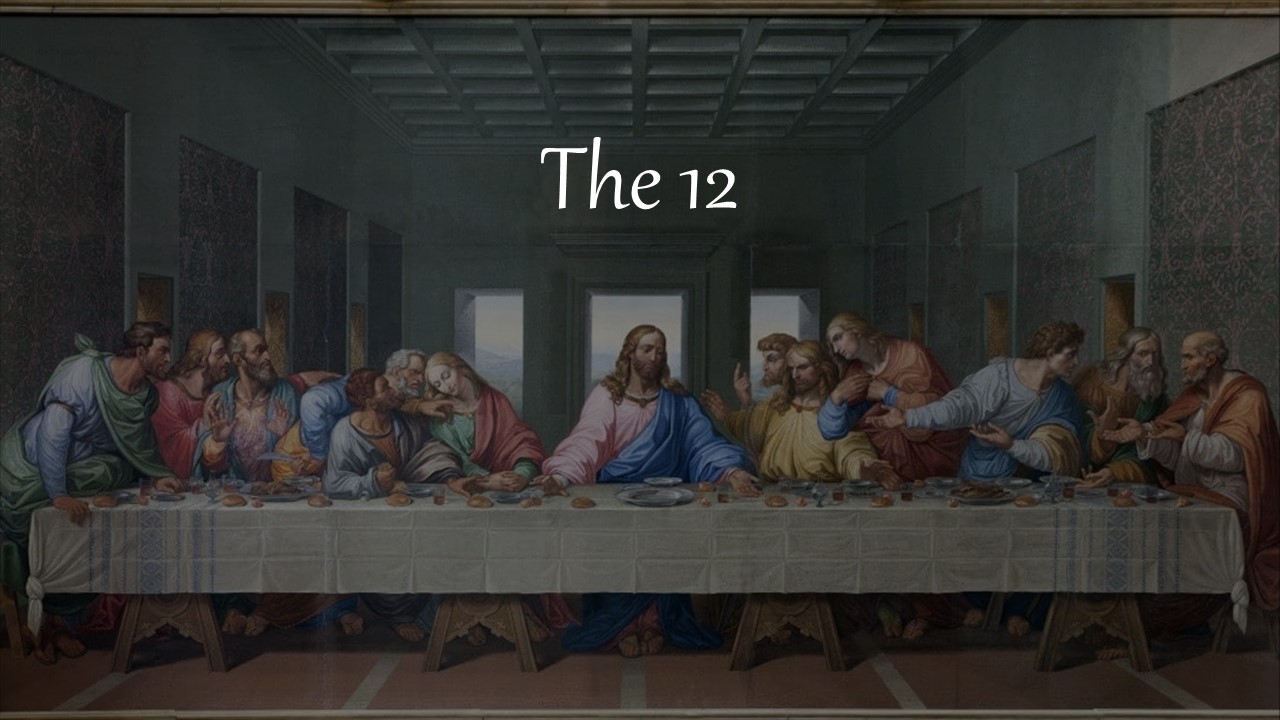
John 13:13 “You call me Teacher and Lord, and you are right, for so I am.” Other versions use the word Master instead of...

James tells us to count it all joy when we experience suffering and affliction. This is not the typically human response to trials. But...