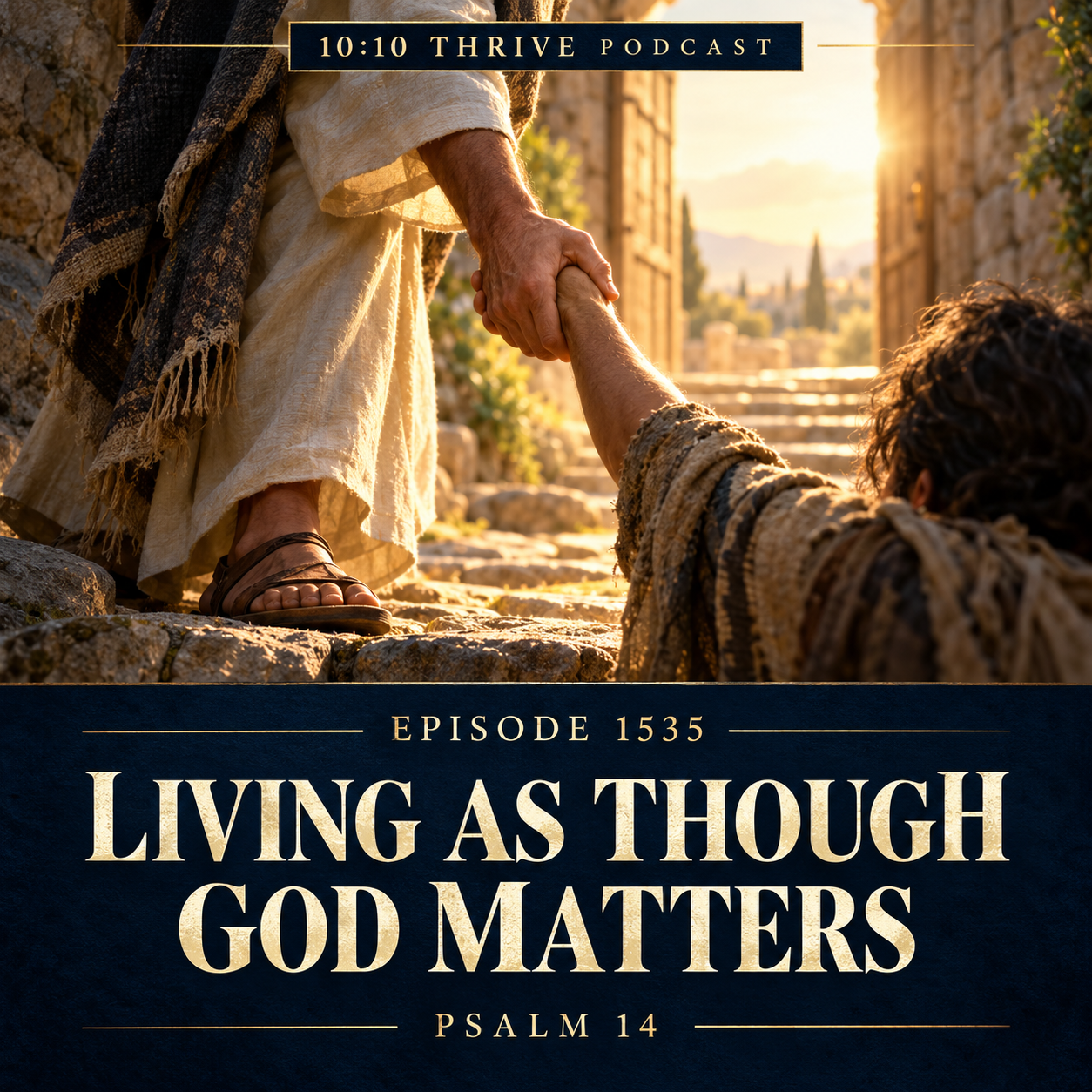
Psalm 14 prompts listeners to consider what their decisions reveal about their faith. Its opening statement about the fool is explored through the wrongdoing that follows, emphasizing conduct and accountability rather than intellectual ability. The episode discourages using the verse to ridicule unbelievers and turns its challenge toward those who profess faith while resisting God’s guidance.
God’s examination of humanity exposes the widespread need for mercy, a theme Paul develops in Romans 3. The reflection connects that shared need with responsibility for particular wrongs and their consequences. The psalm’s image of people being consumed like bread highlights exploitation that has become routine, calling listeners to recognize the dignity hidden by convenience and self-interest.
An original song asks for alignment between faith, speech, and action. The episode connects God’s presence with the vulnerable to Jesus’ concern for overlooked people and the possibility of repentance and repair. It closes by inviting listeners to identify one concrete inconsistency, acknowledge whom it affects, and take a responsible step toward change.

The Tenth Commandment, which forbids the desire to possess anything belonging to another, uniquely targets the human heart rather than external actions. While the...
The third commandment serves as a profound guard against hypocrisy, which Jesus identifies as the most damaging misuse of God's name. Far beyond simple...
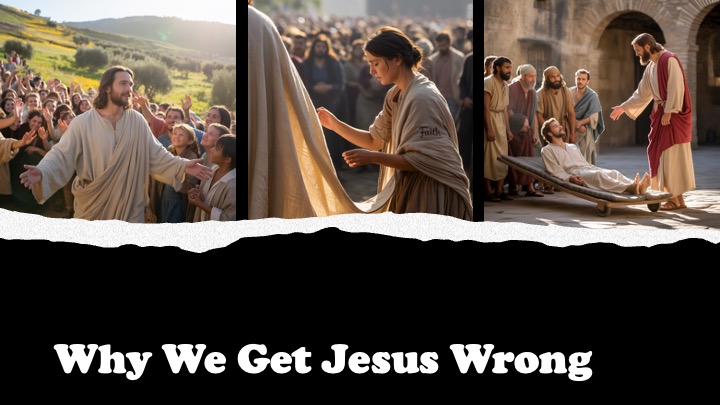
In this episode, we explore the historical and cultural reasons why a significant gap exists between what Jesus taught and what many of his...