Psalm 12 examines the damage caused by lies, flattery, and speech that conceals its intentions. The episode distinguishes sincere encouragement from praise used to gain an advantage and invites listeners to examine their own promises and conversations. Truthfulness includes acknowledging limits, keeping confidences, and avoiding deliberate deception.
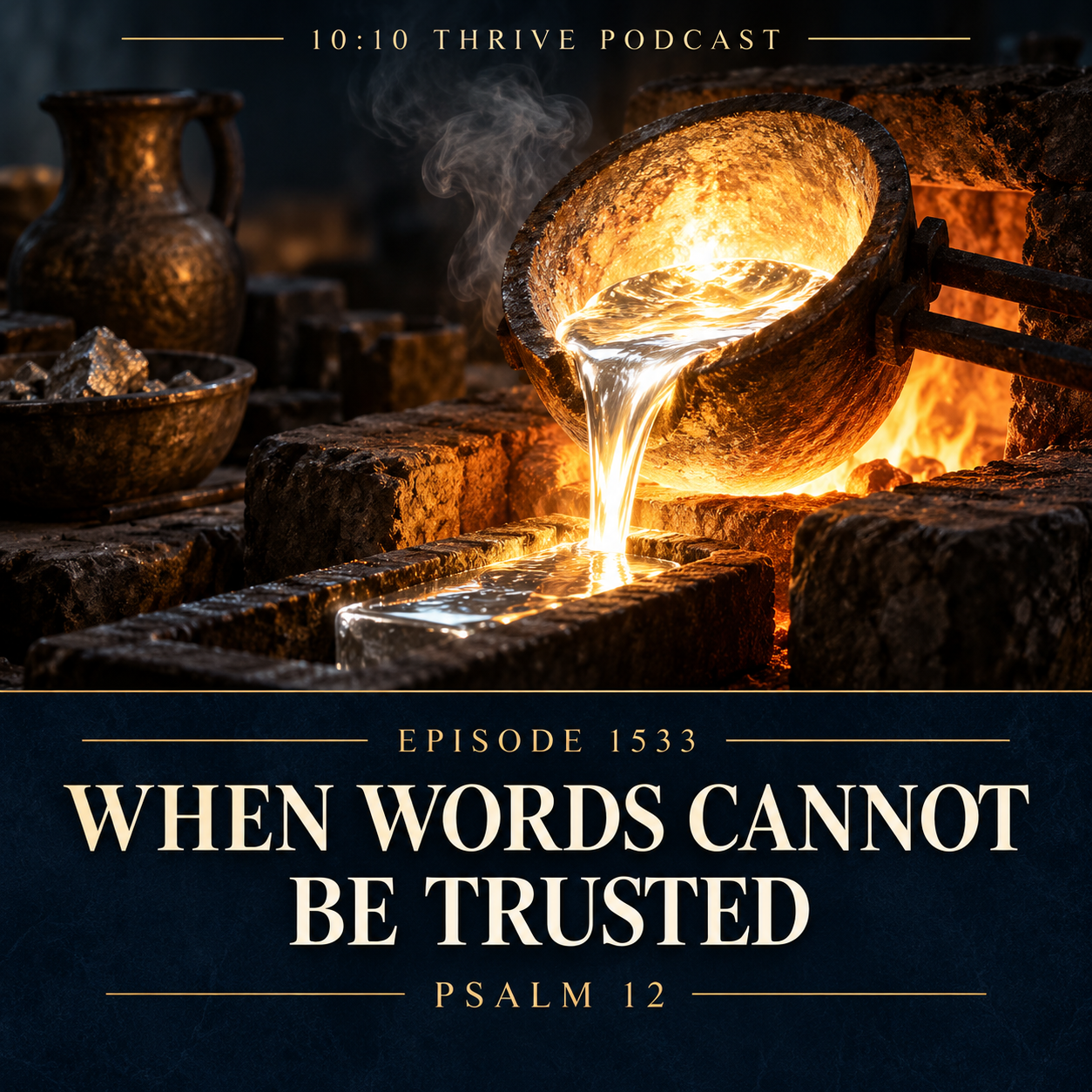
The reflection connects manipulative language with power, exploitation, and the spread of misinformation. God’s declaration that he will act for the suffering poor directs attention toward the people affected by public claims and private promises. His words, compared with purified silver, offer a contrast to speech shaped by fear, pride, or resentment.
An original song asks God to make our words honest and dependable. Although the psalm ends with corruption still present, it offers confidence in God’s faithfulness within that reality. Listeners are encouraged to fulfill or clarify a commitment, correct an inaccurate statement, and offer truthful encouragement without seeking something in return.

The Book of Proverbs offers insights into the roles and portrayals of women, emphasizing both virtues and cautioning against negative behaviors. Proverbs 31:10-31 presents...

Judas Iscariot is typically remembered for one thing: his betrayal of Jesus. He was one of the twelve disciples who lived with and followed...

Guideline #9 can be summed up in Colossians 3:9, “Do not lie to one another, seeing that you have put off the old self...