Thomas reflects on the transformation that followed his encounter with the risen Christ. The man who emerged from the locked upper room retained the same analytical mind and insistence on careful examination, but the framework within which those qualities operated had been permanently changed. He now knew who Jesus was. According to ancient Christian tradition, Thomas was eventually called to carry the gospel eastward to India—an assignment he may initially have resisted because of its enormous practical challenges. Yet sustained by the promise that Christ would be with him, Thomas crossed geographical and cultural boundaries that the man he had once been could never have imagined crossing.
In India, Thomas discovered that the gospel did not depend upon the cultural and religious framework in which he himself had first encountered it. In Judea, he could speak from the Torah and the Prophets to people already shaped by Israel’s expectation of a Messiah. In a radically different culture, he possessed none of those shared assumptions. All he could offer was the testimony itself: the life of Jesus, the cross, the empty tomb, the locked room, and the risen Christ he had personally encountered. To Thomas’ astonishment, that testimony was enough. He came to understand more deeply Jesus’ declaration that He Himself was the way to the Father. The gospel belonged to no single culture or nation because the way was not a tradition, system, or ethnicity. The way was a person—and a person could cross every human border.
Looking back, Thomas also reconsiders the doubt for which he became famous. He sees honest doubt not as the enemy of faith but as a tool that can strip away what is unreliable and lead a person toward convictions capable of enduring scrutiny. His eight days of uncertainty were not an attempt to escape belief but a determination not to settle for something untrue. Once convinced, however, Thomas believed without reservation and devoted the rest of his life to bearing witness. The man who once struggled to accept the testimony of others became a witness for generations who would have no direct evidence of their own. In this sense, Thomas sees every later believer as his “twin”—someone invited to examine the testimony, decide whether it can be trusted, and discover that the truth he carried to the far country remains capable of crossing every boundary.
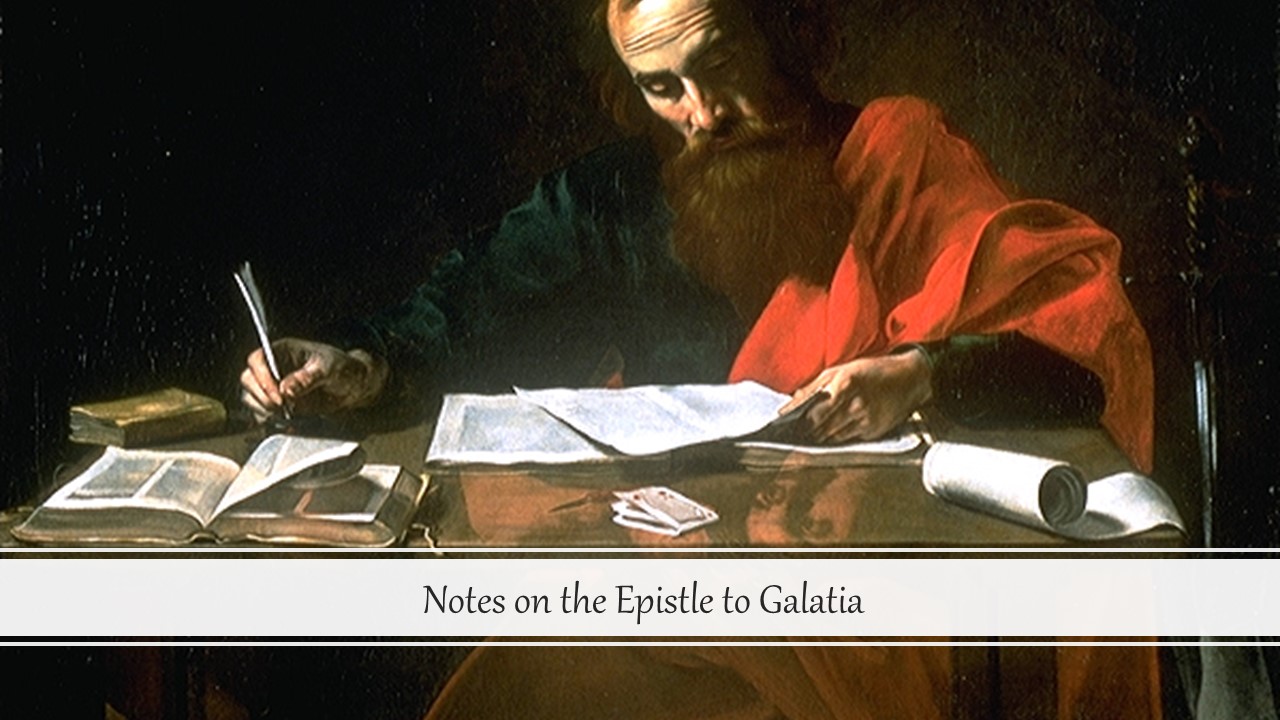
In today’s top ten list, we explore ten notes inspired by the Book of Galatians, from the authorship of the epistle to the confrontation...

James recalls the unsettling days after Jesus left Nazareth to be baptized by John and never returned to the ordinary life they had shared...

Waiting on God is not only difficult; sometimes it seems impossible. We want things to happen in our own timing, according to our plans....