Years after Pentecost and the conversion of Cornelius, Peter found himself in Antioch, one of the most diverse and vibrant centers of the early church. There, Jewish and Gentile believers worshiped, served, and shared meals together as one family in Christ. Peter freely participated in this fellowship, fully aware that God had already shown him that Gentiles were not to be considered unclean or excluded from the people of God. Yet when certain visitors arrived from Jerusalem, Peter began withdrawing from the Gentile believers. Not because he had changed his theology, but because he feared the disapproval of others. Slowly and quietly, he moved to the other side of the room, and his influence led others, including Barnabas, to do the same.
The apostle Paul recognized immediately what was happening. Seeing that Peter's behavior contradicted the truth of the gospel, Paul confronted him publicly. He pointed out that Peter himself had been living in fellowship with Gentile believers and that separating from them now implied that they needed to become more Jewish in order to belong fully to God's people. Peter knew Paul was right. This was not a failure born of ignorance or confusion. It was a failure born of fear—the fear of criticism, disapproval, and conflict. Peter had preached that God shows no favoritism, yet in Antioch he was acting as though old divisions still mattered.
Looking back, Peter came to see Antioch as a different kind of failure from his denial in the courtyard. The denial happened suddenly under intense pressure; Antioch happened gradually, one small compromise at a time. It was a slow drift rather than a collapse. Yet Peter also came to appreciate Paul's courage and honesty. Paul's rebuke was painful, but it protected the truth of the gospel and called Peter back to faithfulness. In time, Peter recognized that being a leader did not make him immune to error and that genuine Christian community requires the humility both to receive correction and to extend it when necessary. That, Peter concluded, is what brothers do.
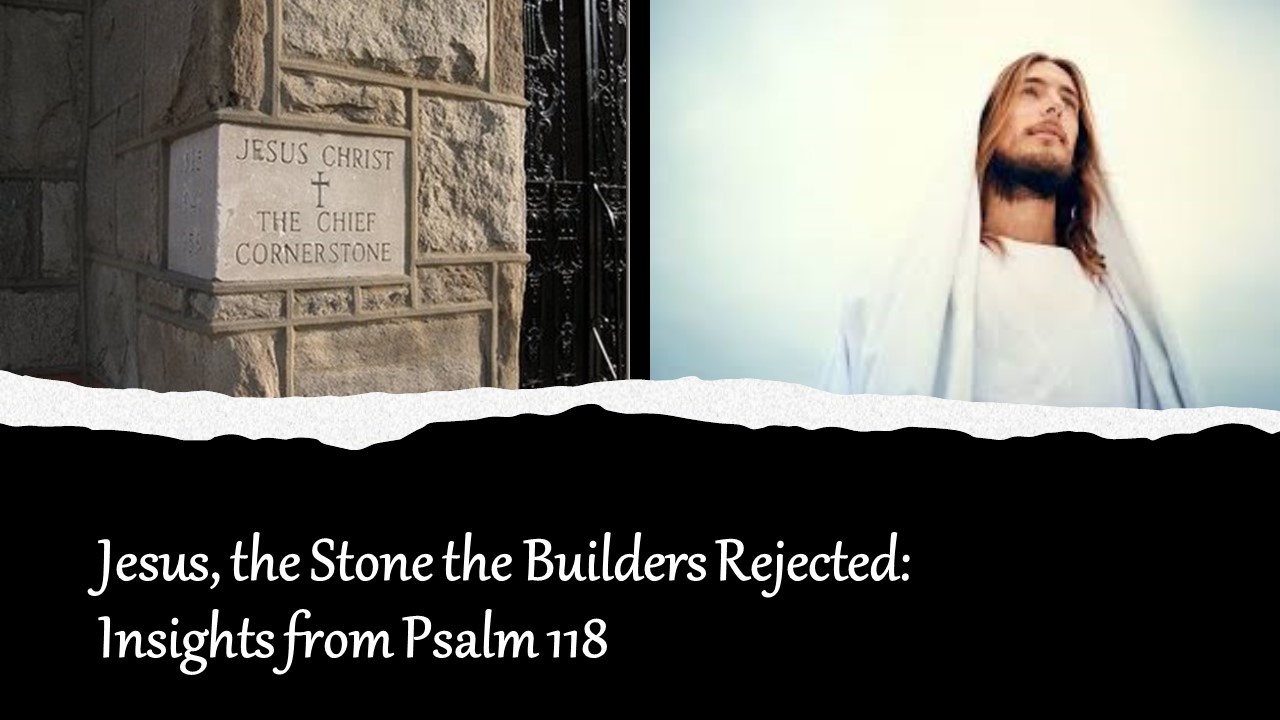
The Psalms, a collection of songs and poems that span a wide range of human emotions and experiences, offer glimpses into the grand narrative...
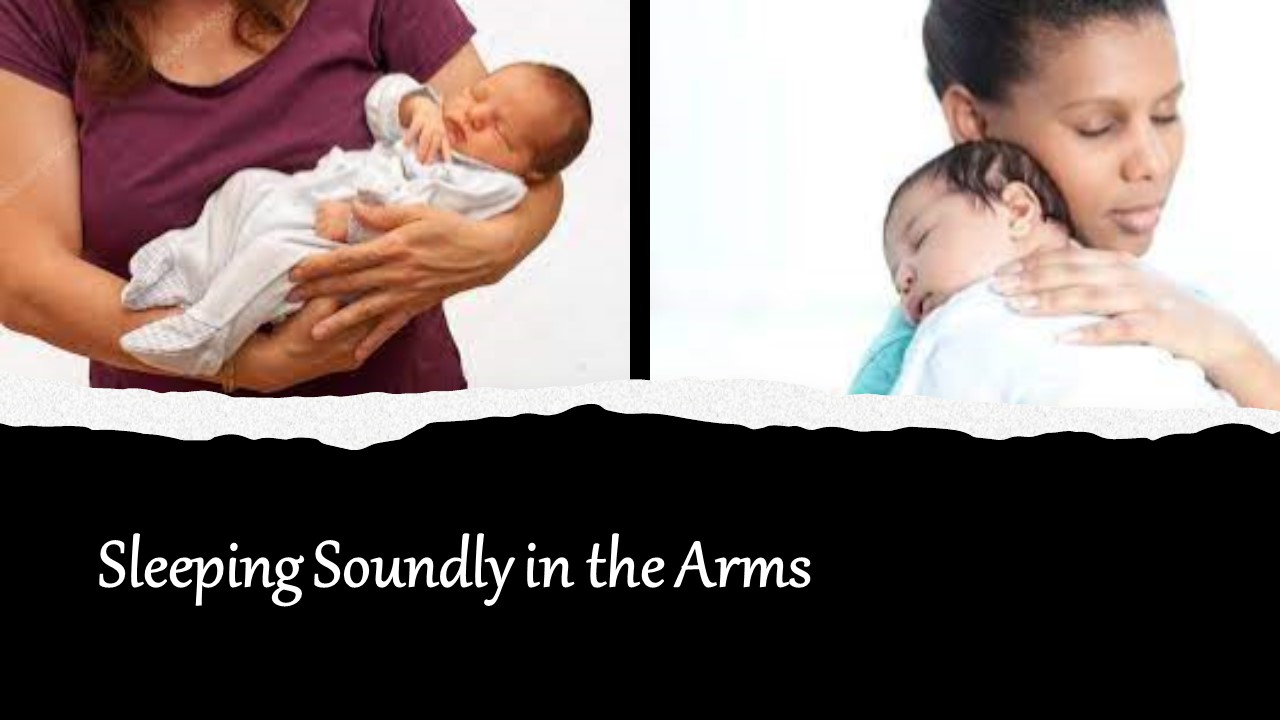
The acclaimed French author, Victor Hugo once wrote that “a mother's arms are made of tenderness and children sleep soundly in them.” We explore...

The Christian life is fundamentally a changed life. If you claim to believe in Christ, but are living just as you did before you...