Three days after Jesus' crucifixion, Peter and the other disciples remained hidden behind locked doors, overwhelmed by grief, fear, and disappointment. Everything they had hoped for seemed buried in a sealed tomb. Peter carried an additional burden: the memory of his denial in the high priest's courtyard. While some wondered about returning to their former lives in Galilee, Peter found himself trapped in regret, unable to imagine a future beyond his failure. Then, before dawn on the first day of the week, Mary Magdalene burst into the room with astonishing news: the stone had been moved, and Jesus' body was gone.
Peter immediately ran to the tomb, accompanied by John. Though John reached it first, Peter rushed inside and found the burial cloths lying where Jesus' body had been placed. Most striking of all was the folded face cloth, deliberately arranged apart from the others. The evidence before him resisted every ordinary explanation. Thieves would not remove and neatly arrange grave clothes before stealing a body. Nor would someone relocating the corpse leave the wrappings behind. Standing in the stillness of the tomb, Peter encountered not proof he fully understood, but a mystery he could not ignore.
Looking back years later, Peter reflected that the empty tomb did not instantly transform despair into certainty. It produced wonder. It created a crack in the darkness through which hope could begin to enter. While John saw and believed, Peter saw and wondered. Yet wondering was itself a step forward—a willingness to remain open to the possibility that God was doing something larger than anyone had imagined. Faith did not arrive all at once. It began with a single step toward an empty tomb and the growing realization that perhaps the story was not over after all.
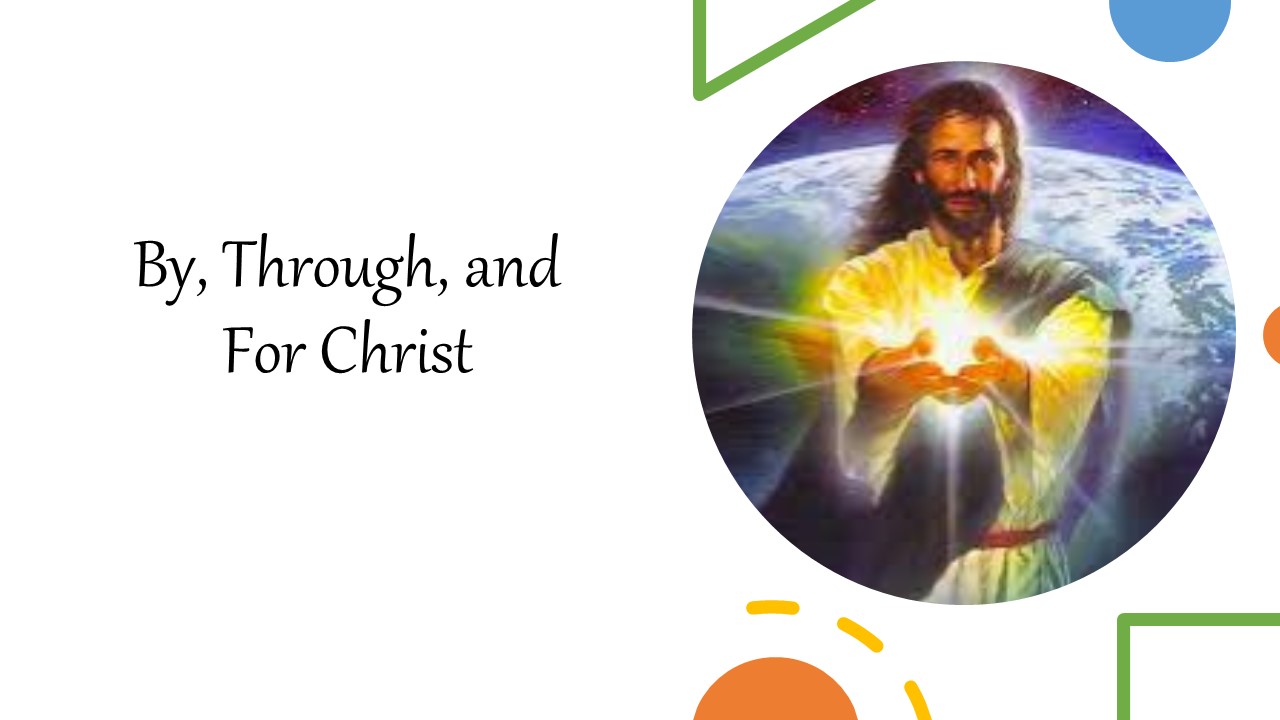
You are secure forever in Christ. All things were created by Christ and through him and for him. Even your worst supernatural enemies. In...
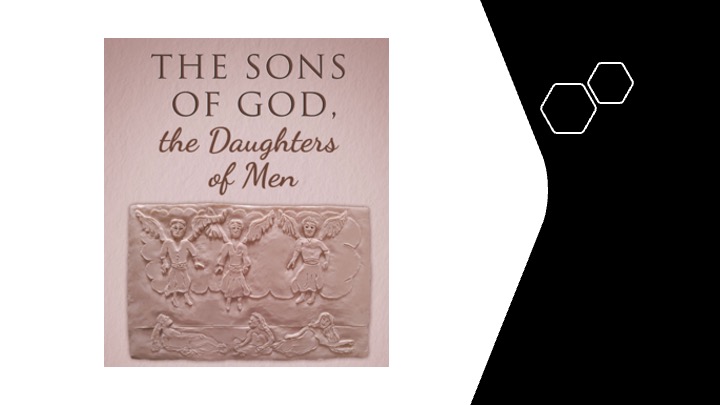
The identity of the “sons of God” in Genesis 6 has been a subject of great debate, with three primary interpretations emerging over time....
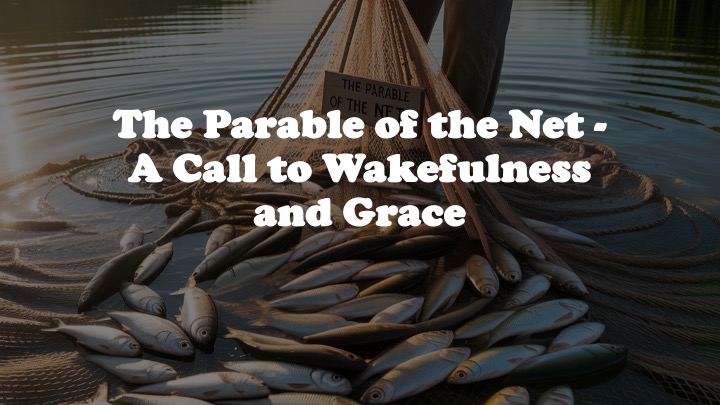
The Parable of the Net, the final one in a series of seven describing the Kingdom of Heaven, introduces a sobering, apocalyptic tone by...