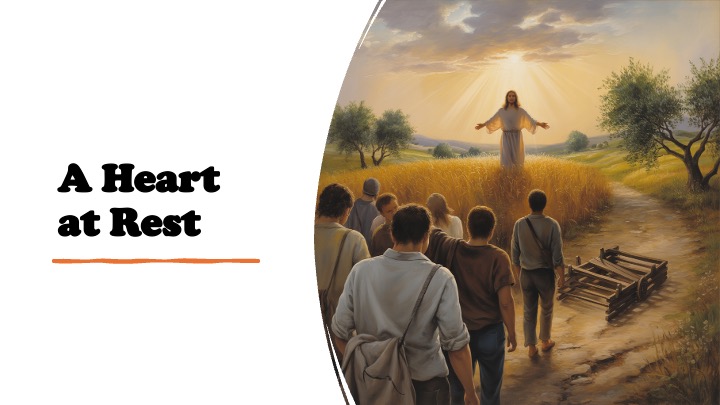
Far from being a mere restriction, the Tenth Commandment serves as an invitation to a better way of living centered on a heart at rest. Jesus extends this very invitation by offering true soul-rest to the weary and burdened, a peace achieved when individuals stop frantically grasping and instead trust in divine provision. This foundational contentment is cultivated through daily gratitude, which stands as the direct opposite of covetousness. While coveting constantly looks outward to compare and demand more, gratitude looks inward to appreciate what is already present. As Paul instructs to give thanks in all circumstances, this discipline intentionally shifts a person's focus from what is lacking to what is given, establishing a peace that relies entirely on God's goodness rather than self-reliance or anxiety about the future.
The profound peace of a resting heart is vividly illustrated by Brother Lawrence, a seventeenth-century monk who possessed no status and spent his life doing mundane kitchen work and repairing sandals. His letters reveal that his deep joy did not come from abundance, but from a persistent gratitude for simple food, simple clothing, and finding God in ordinary chores. When a heart achieves this level of satisfaction, it gains the unique spiritual capacity to genuinely celebrate the success, promotions, and blessings of others without feeling threatened by envy or driven by competition. Furthermore, a heart at rest embraces the wisdom of the "Serenity Prayer" by accepting unchangeable realities—such as past mistakes or uncontrollable circumstances—and directing its energy strictly toward what can actually be changed.
Ultimately, the Tenth Commandment anchors the entire moral law because it addresses the internal condition of the heart from which all external violations flow. While the first nine commandments govern external actions like murder, theft, and adultery, honoring the Tenth Commandment makes obeying the others natural, as a person satisfied with what they have feels no temptation to steal, lie, or betray relationships. The true fulfillment of this final guideline is not just the absence of coveting, but the active presence of a soul anchored in God's faithful provision. By rejecting the exhausting worldly cycle of endless comparison, individuals step into Christ's transcendent peace and discover that deep human flourishing begins when the heart finally rests in what it has been given.

Six days after Peter's confession at Caesarea Philippi, Jesus took Peter, James, and John up a high mountain to pray. There, the disciples witnessed...

The writings of the prophet Isaiah are especially significant for the prophecies he makes about the coming Messiah, hundreds of years before Jesus is...