The Tenth Commandment serves as a vital safeguard against comparison, which the apostle Paul explicitly identifies in 2 Corinthians as an unwise engine that drives coveting. While limited social comparison can occasionally motivate personal growth, constant and compulsive measuring of oneself against others inevitably breeds deep dissatisfaction. Modern digital culture has stripped away all traditional, localized boundaries on this behavior, enabling people to endlessly compare their full, messy realities to the highly curated, manufactured highlight reels of millions of strangers globally. This creates a destructive illusion where individuals inevitably feel inadequate, transforming what could be joyful admiration of another's success into a bitter, bone-rotting envy that cannot tolerate someone else having what they lack.
This corrosive habit of comparison fundamentally disables a person's capacity to follow the scriptural call to "rejoice with those who rejoice," deeply damaging families and friendships with transactional resentment. Throughout history, this comparison-driven covetousness has produced devastating real-world crises. It fueled the dangerous Cold War nuclear arms race, sparked widespread eating disorders as women measured themselves against the extreme "Twiggy" fashion ideals of the 1960s, contributed heavily to the 2008 housing bubble, and directly correlates with the modern teenage mental health crisis driven by social media exposure. By evaluating life through a false lens, individuals overextend their resources and sacrifice their psychological well-being to chase an illusion.
Ultimately, widespread comparison fractures the foundation of community by replacing healthy cooperation with defensive competition. When individuals view the success of their neighbors as an inherent threat to themselves, they hide their struggles, guard their accomplishments, and isolate themselves from genuine connection. The Tenth Commandment offers a liberating antidote to this toxic modern pressure by commanding us to stop measuring our lives against our neighbors. When we step off the exhausting treadmill of constant comparison and embrace the grace we have been given, we unlock the freedom to be truly satisfied with what we have, celebrate the victories of others, and restore deep, supportive relationships.

The story of Cain and Abel is a foundational lesson on true worship—one that is still relevant today. Abel’s faith-filled offering of his best...
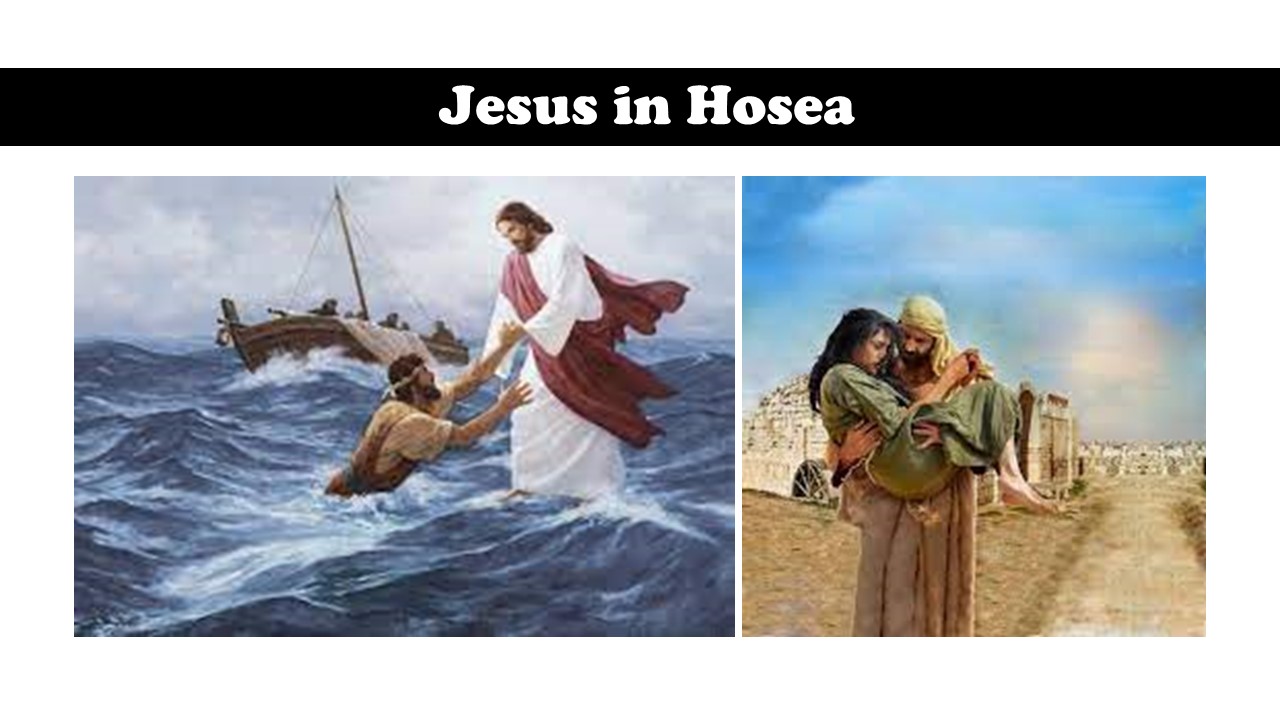
Today we wrap up our brief study of the book of Hosea. This book, with its themes of unfaithful love, judgment, and the promise...

This episode explores radical New Testament generosity, emphasizing that giving is an act of worship and a catalyst for divine multiplication. From the outset,...