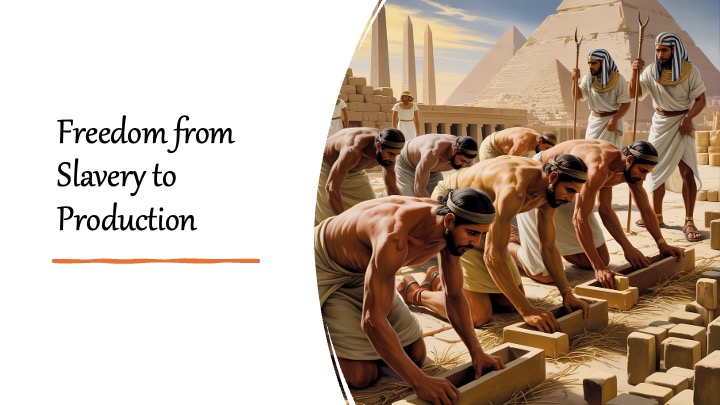
The Sabbath is presented in Scripture not only as a memorial of creation but as a radical reenactment of liberation. In Deuteronomy, Moses anchors the commandment in the memory of Egyptian slavery, where the Israelites were treated as mere machines whose value was defined entirely by their output. By commanding a day of rest, God did not just offer a physical break; He performed a sociopolitical rescue, redeeming their time from the clutches of a "Pharaoh system" that viewed constant production as the only metric of human worth. To observe the Sabbath is to make a weekly declaration that we are no longer owned by our work or defined by our utility.
The contrast between Pharaoh and God reveals a fundamental clash between instrumental and intrinsic worth. While Pharaoh demands ceaseless labor because he speaks only the language of production, God commands rest because He speaks the language of love. This commandment confronts the modern "Protestant work ethic" that often baptizes workaholism as dedication, ignoring the severe biological and spiritual costs of constant striving. When we refuse to rest, we unwittingly return to Egypt, becoming enslaved by our own anxieties and the false belief that we must justify our existence through our achievements.
Ultimately, the Sabbath is a test of trust over anxiety. Just as the Israelites had to trust that a double portion of manna on the sixth day would sustain them through the seventh, we are called to trust that the world will not collapse if we stop working. Chronic busyness is often a symptom of the fear that we alone are responsible for our provision; thus, the Sabbath acts as a weekly training ground for faith. By practicing this "refusal to produce," we resist a culture that seeks to consume us entirely, reclaiming our identity as beloved children of God who are worthy of rest simply because of whose we are.
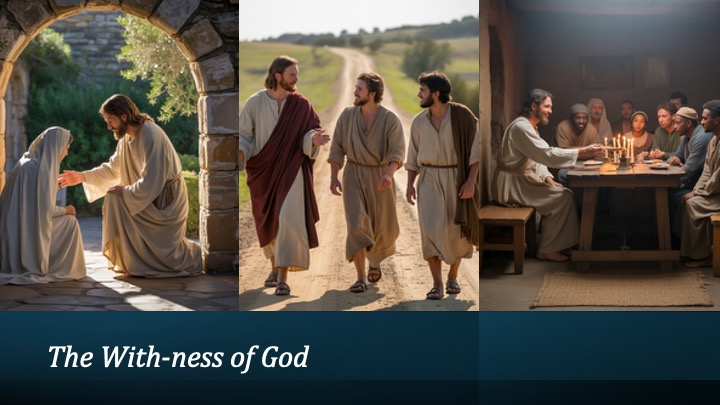
Emmanuel, or "God with us," is the central and enduring truth of the Christian faith, going far beyond a mere Christmas doctrine. This divine...
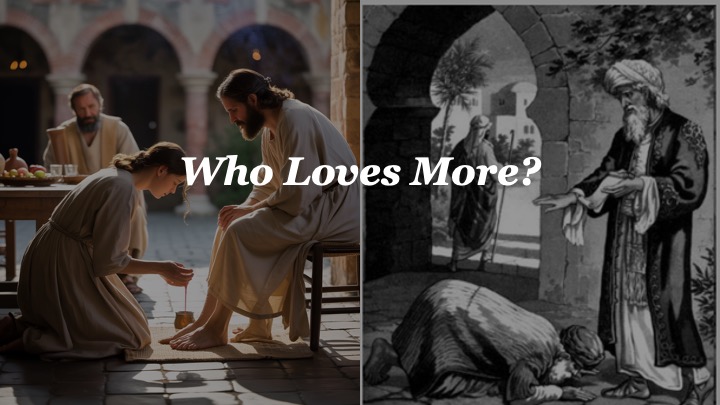
The Parable of the Two Debtors, set within a tension-filled dinner party at the home of Simon the Pharisee (Luke 7), serves as a...
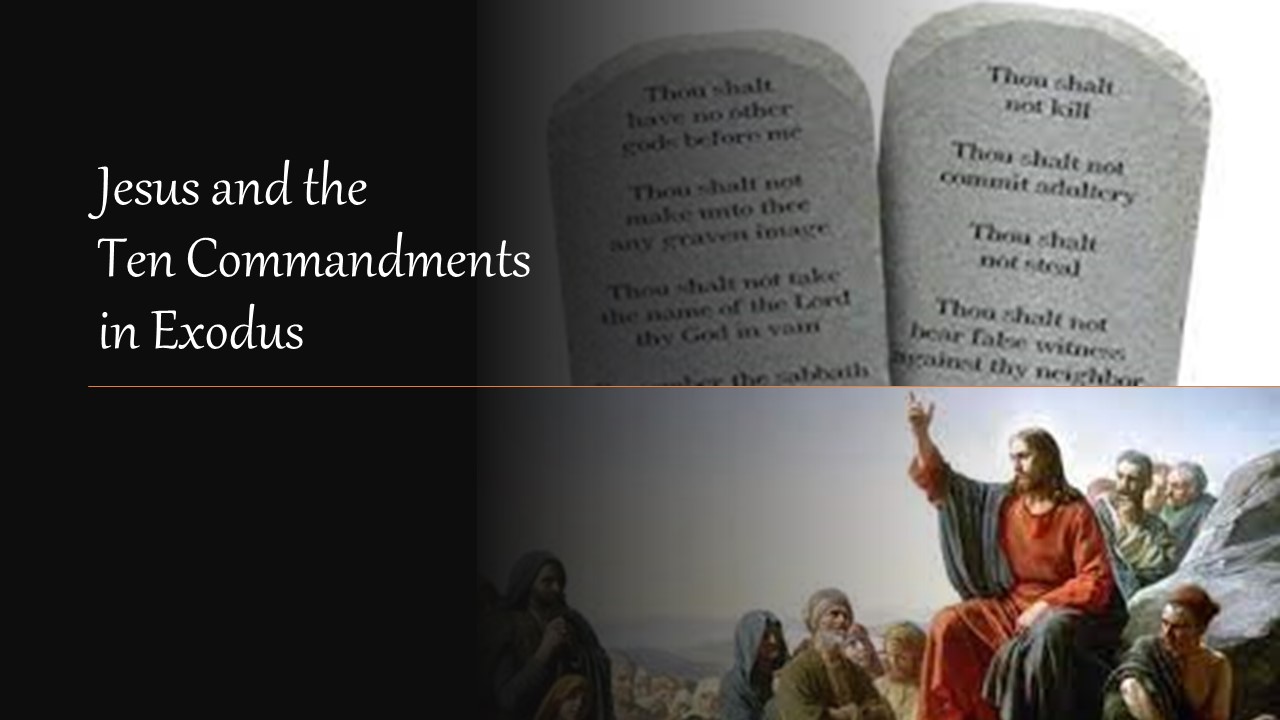
Jesus emphasized that he came not to abolish the law but to fulfill it, stating that the law would remain until everything in it...