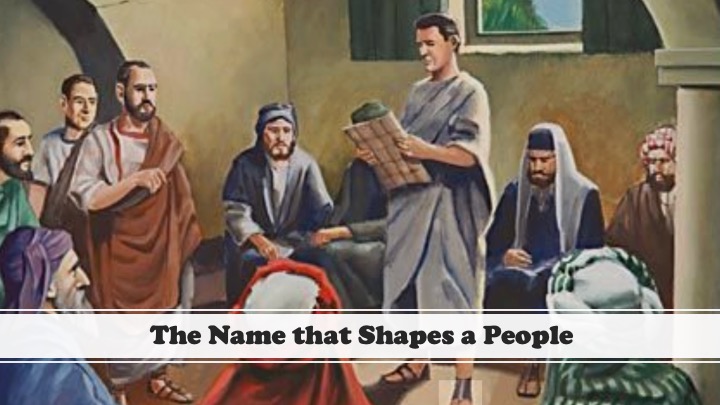
The term "Christian," first coined in Antioch, signifies far more than a religious label; it literally means "Christ-one," indicating a person whose primary identity is defined by their belonging to Jesus. This name transcends ethnicity, social status, and occupation, grounding the believer in a permanent reality described in Isaiah, where God claims His people by name and engraves them on His palms. Bearing this name is an invitation to a life of coherence, where the "Christ-one" is called to mirror the character, mercy, and sacrificial love of the One they follow.
This identity is inherently communal rather than isolated, creating a shared responsibility among all who bear the Name. Because a single member's actions reflect upon the entire body, the Third Commandment serves as a collective exhortation to integrity. Misrepresenting the Name through bitterness or malice damages the credibility of the whole community, while living out Christlike values strengthens it. As Paul instructed the Ephesians, the goal is to "put off" the old self and adopt behaviors that build others up, ensuring that the community's public witness remains truthful and honors God.
Ultimately, rooting one's identity in Christ provides a stabilizing "North Star" that offers resilience against the shifting opinions and circumstances of the world. Statistics regarding religious identification suggest that while roughly 64% of Americans identified as Christian in 2020, the depth of that identification varies; however, the biblical call is for this identity to be the primary filter for every daily choice. This unshakeable sense of belonging allows individuals to face failure or persecution with the conviction that nothing can separate them from their core status. When the question "What would someone who bears the Name do?" becomes the orienting principle of life, it leads to a flourishing characterized by clarity, purpose, and peace.
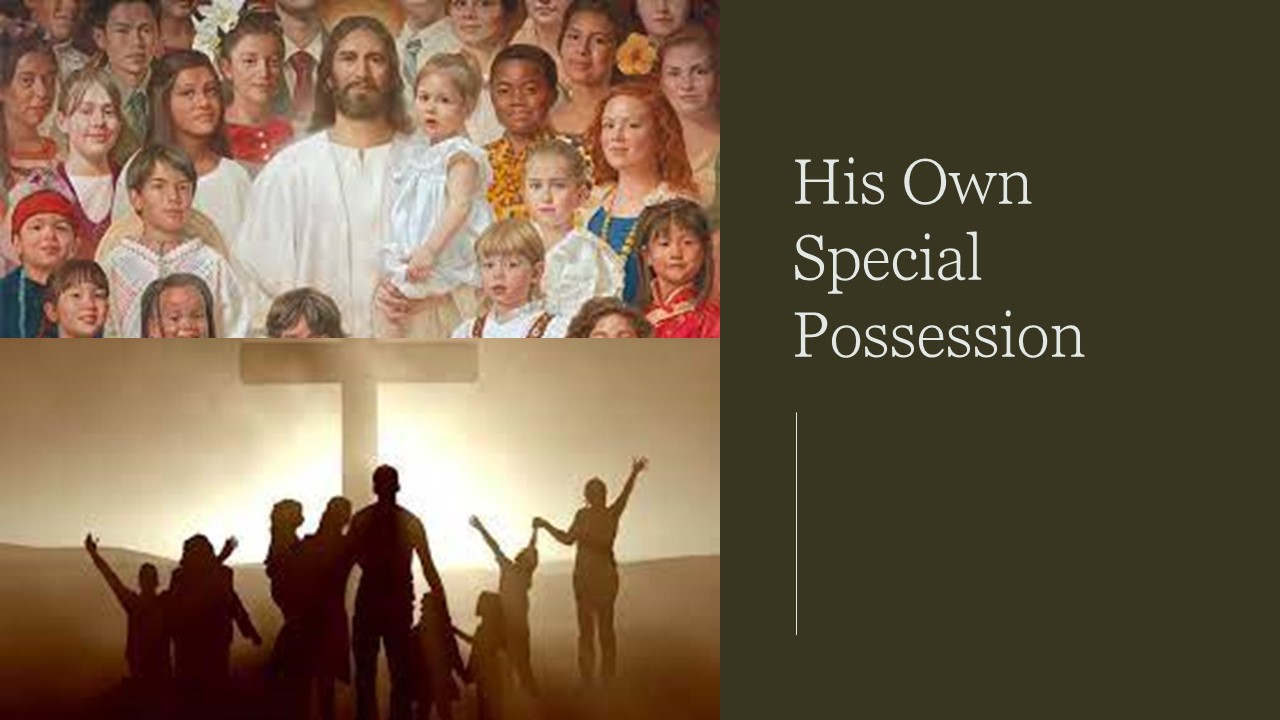
In Titus 2:14, the Greek term translated as “peculiar” in the King James Version literally means “one's own” or “one's own possession.” God’s people...

Jesus is wrapping up his longest and most famous recorded sermon, the so-called Sermon on the Mount. Before He talks about how one will...
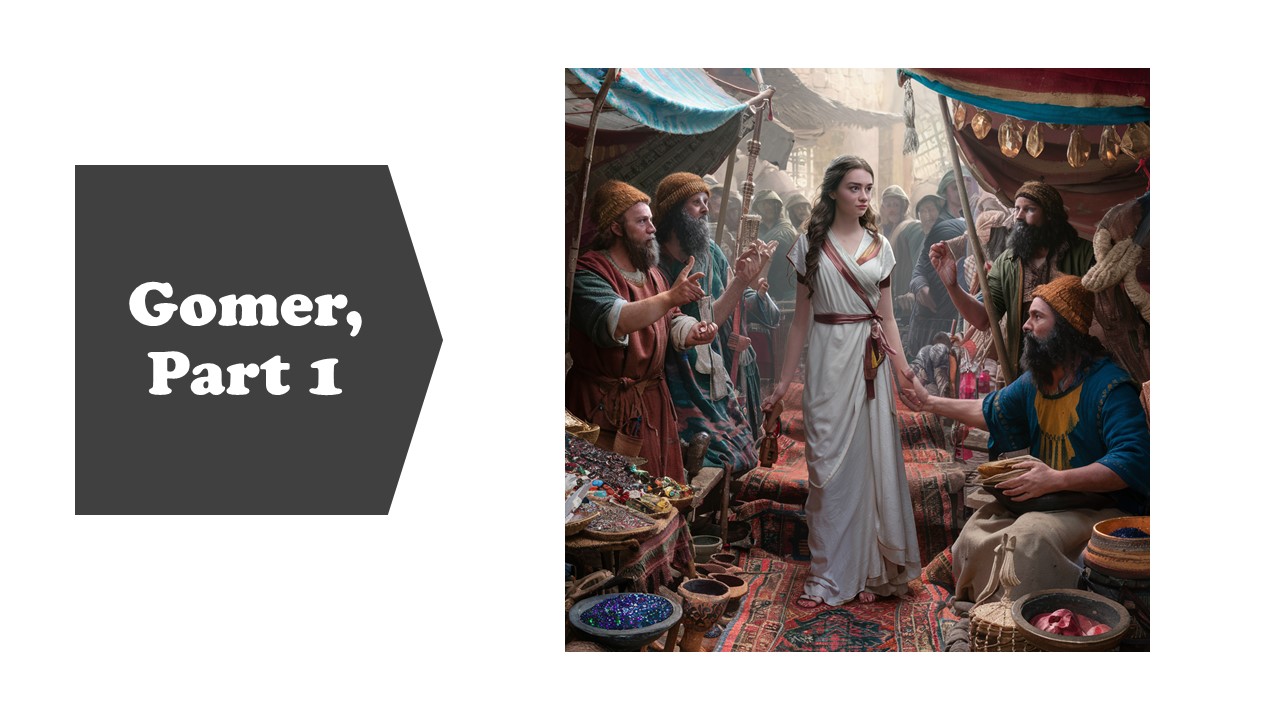
Today’s special episode of 1010 Thrive tells the story of Gomer, the daughter of Diblaim, a devout baker in ancient Israel, who craves adventure...