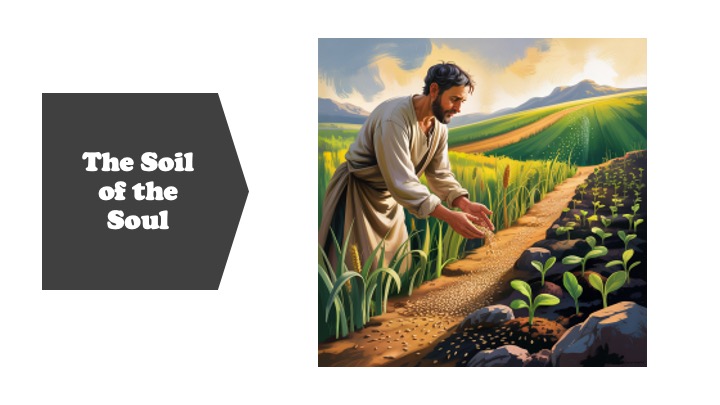
In the midst of surging popularity and growing opposition, Jesus told the Parable of the Sower, one of his most foundational teachings. This story uses the simple analogy of a farmer, his seed, and four types of soil to explain how people receive the Word of God. Jesus, the sower, casts the same message everywhere, but its fruitfulness depends entirely on the condition of the human heart. The parable's central lesson is that the quality of the "soil"—the heart—determines whether the seed will be devoured, wither, be choked out, or produce an abundant harvest.
The four types of soil represent four distinct responses to the gospel. The "path" is a hardened, unreceptive heart where the message is quickly stolen away. "Rocky ground" represents a shallow, emotional faith that springs up quickly but lacks the depth to endure persecution or hardship. The "thorny ground" symbolizes a divided heart, one that receives the Word but allows the "worries of this life and the deceitfulness of wealth" to choke out its growth. Finally, the "good soil" represents a receptive, open heart that hears, understands, and retains the Word, leading to a fruitful life that multiplies in abundance.
Beyond its practical lessons for listeners, the parable also offers a profound glimpse into Jesus's own character and ministry. It reveals that he is a patient and generous sower who broadcasts the Word indiscriminately, not prejudging the soil. He respects human freedom, allowing each heart to choose its response without coercion. This parable shows that Jesus cares more about deep, lasting transformation than shallow popularity. It also serves as a warning that spiritual growth is a battle against internal and external resistance, and that a fruitful life requires the conscious effort to prepare and cultivate the soil of our souls.

In this episode of the 10:10 Thrive Podcast, we explore the inherently political nature of Jesus’s life and ministry, challenging the modern notion that...
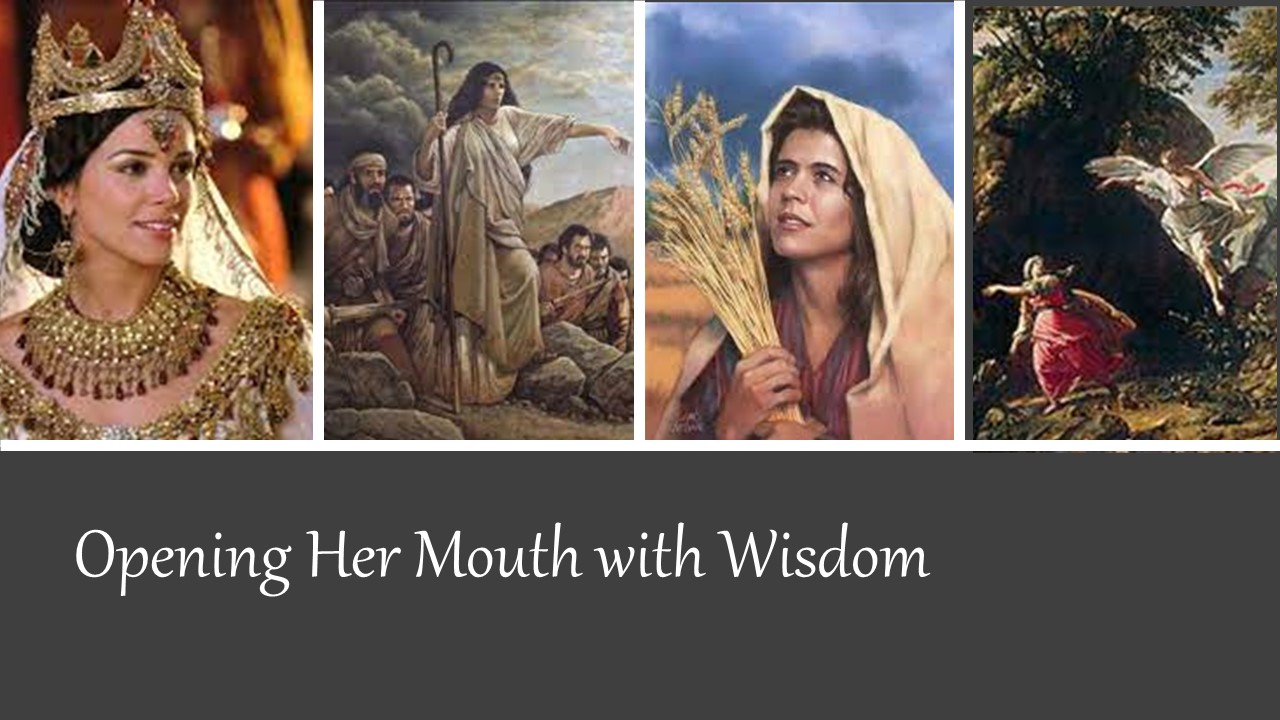
In Proverbs 31:26, we are told this about the virtuous women: “She opens her mouth with wisdom, and the teaching of kindness is on...

God has given us promises to provide us with comfort, encouragement, and reassurance during times of trouble. This episode includes a review of several...