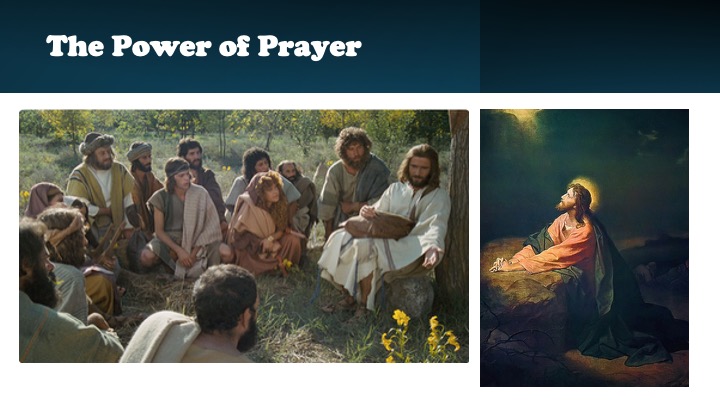
uilding on the previous message about spiritual rebirth, this episode centers on the spiritual practice that sustains and enlivens our new life in Christ: prayer. Through the life of Jesus, we see that prayer was not a side practice or occasional discipline—it was essential. Whether choosing the apostles, performing miracles, or facing agony in Gethsemane, Jesus consistently turned to the Father in prayer. His example demonstrates that intimacy with God is the source of clarity, strength, and surrender. Prayer, for Jesus, was not religious performance but relational dependence.
Jesus also taught his disciples how to pray. Through the Lord's Prayer in Matthew 6, he showed that prayer is rooted in relationship (“Our Father”), shaped by God’s will (“Your kingdom come”), responsive to our needs (“give us this day…”), and aware of spiritual conflict (“deliver us from evil”). This teaching shifts prayer from a public show or wordy ritual into an honest, private conversation with a loving God. Prayer aligns us with God’s heart, centers us in His will, and gives us what we need to persevere and thrive.
In the “Let’s Get Deep” section, we learn that the power of Jesus was grounded not in dominance, but in dependence. His miracles flowed from a life rooted in prayerful connection to the Father. For believers today, prayer is how we “remain in the vine” and live fruitfully. It is not about eloquence or length, but consistency and honesty. Whether through creating a rhythm of prayer, praying Scripture, listening in silence, or interceding for others, this practice is how we stay tethered to the source of life and transformation. Prayer is not simply about what we say—it’s about who we are becoming through our connection to the God who hears.

In his farewell discourse to his disciples in the upper room, Jesus talks about the betrayal of Judas, the denial of Peter, the new...

Nestled in Jerusalem, the Pool of Siloam was more than just a reservoir. Built by King Hezekiah to defy a siege, it became a...

Episode 5 opens with a quiet domestic scene—Jeremiah making his famous split pea soup as Liz comes home. Their conversation reveals how differently each...