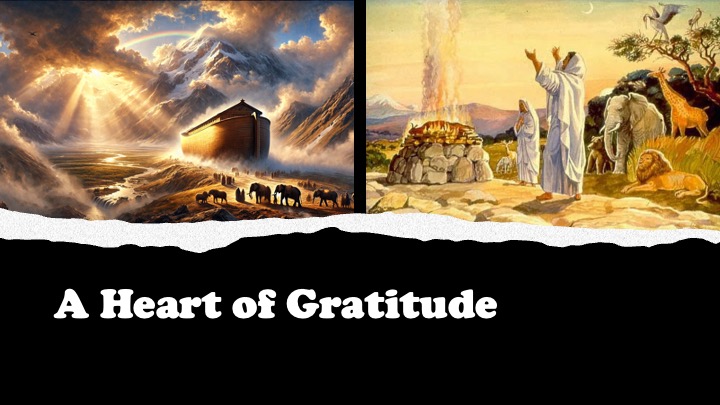
Noah and his family remained in the ark for over a year, enduring a season of waiting and uncertainty before stepping into a new world. Despite the challenges, Noah’s first action after leaving the ark was not to seek personal security but to build an altar in worship. His gratitude was not a passing emotion but an act of devotion, recognizing that their survival was due to God’s mercy. This moment highlights an important spiritual truth: our first response to God’s deliverance should always be worship. Instead of rushing to rebuild his life, Noah paused to acknowledge God’s sovereignty, setting an example for how believers should respond after seasons of trial.
Noah’s offering was not merely symbolic; it was sacrificial. The clean animals he presented were crucial for repopulation, yet he chose to give them to God first, demonstrating trust in divine provision. True gratitude often requires sacrifice, whether it be our time, resources, or personal plans. Just as Noah entrusted his future to God by offering valuable resources, we are called to live with open hands, giving back to God as an expression of faith. Jesus later affirmed this principle when He praised the widow who gave all she had, showing that the depth of gratitude is measured not by what we keep, but by what we willingly surrender to God.
God responded to Noah’s offering with a covenant of mercy, vowing never again to destroy the earth by flood despite humanity’s persistent sinfulness. This declaration of faithfulness assures us that while human nature remains flawed, God’s grace endures. The promise of ongoing seasons—seedtime and harvest, day and night—reminds us that God remains in control of creation. Noah’s act of worship not only pleased the Lord but also shaped the foundation for how his descendants would live. Today, believers are called to cultivate a lifestyle of gratitude, recognizing God’s provision in every season and responding with hearts of worship and trust.

Solomon tells us in Ecclesiastes: “Two are better than one, because they have a good return for their labor: If either of them falls...
In Romans 6, Paul addresses a potential misconception about grace, asserting that it doesn't give license to sin. Instead, believers are called to a...
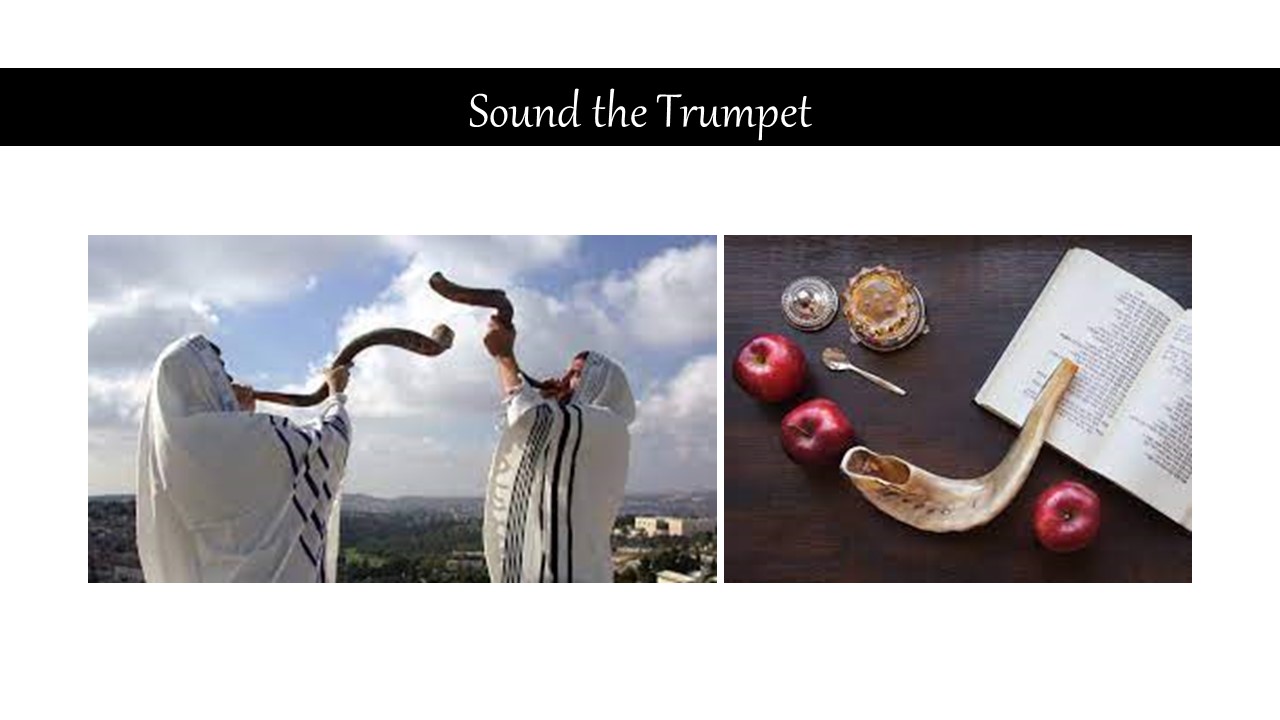
Trumpets were central to the celebration of Israel’s feasts, particularly the Feast of Trumpets (or Rosh Hashanah, the Jewish New Year). When the trumpet...