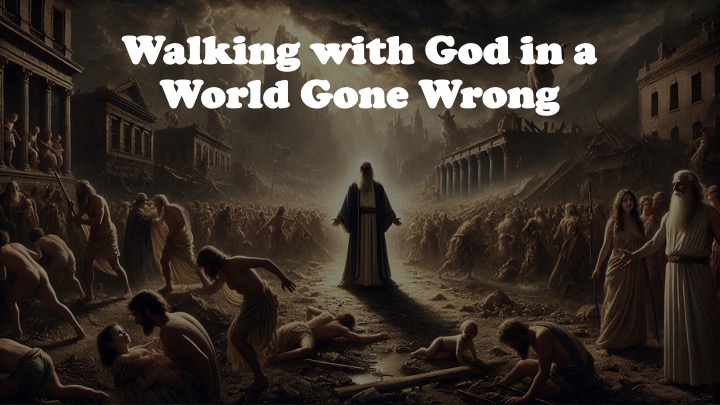
Noah stands as one of the most faithful figures in Scripture, a man who walked with God in an era of increasing wickedness. Despite living in a time of rampant sin and rebellion, Noah remained righteous, obedient, and unwavering in his trust in God's commands. His faith was demonstrated through his actions—building the ark despite never having seen rain, warning others of the coming judgment, and trusting God's promise to preserve him and his family.
The Bible and various traditions expand on Noah’s legacy, portraying him not only as a builder of the ark but also as a preacher of righteousness. While some Jewish and extra-biblical texts add speculative details, the core biblical message remains: Noah was chosen because he walked with God in an age where humanity had abandoned Him. The world before the Flood was not just technologically advanced but morally bankrupt, with increasing violence, corruption, and disregard for God’s law. Yet, despite 120 years of warnings, humanity refused to repent, sealing their own fate.
Noah’s story offers profound lessons about faith, obedience, and the patience of God. It reminds us that righteousness is possible even in the darkest times and that God's mercy is always available to those who seek Him. Just as Noah entered the ark to be saved from the judgment of the Flood, we are invited to take refuge in Christ, the true Ark, who delivers us from the coming judgment and offers eternal salvation. May we, like Noah, remain steadfast in our faith and obedience, trusting in God's perfect plan even when the world stands against us.

Titus 2:11-14, “For the grace of God has appeared, bringing salvation for all people, training us to renounce ungodliness and worldly passions, and to...
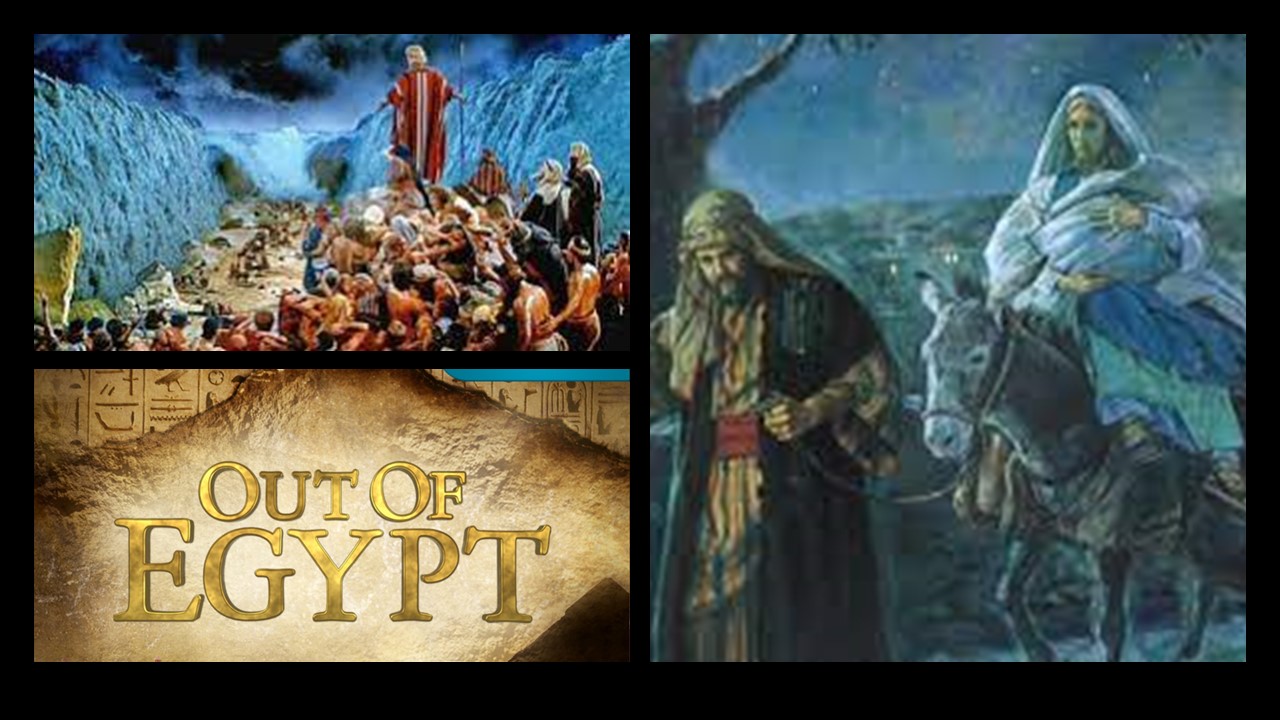
Matthew recounts that an angel of God warned Joseph to take Mary and Jesus and go to Egypt to escape King Herod, who would...
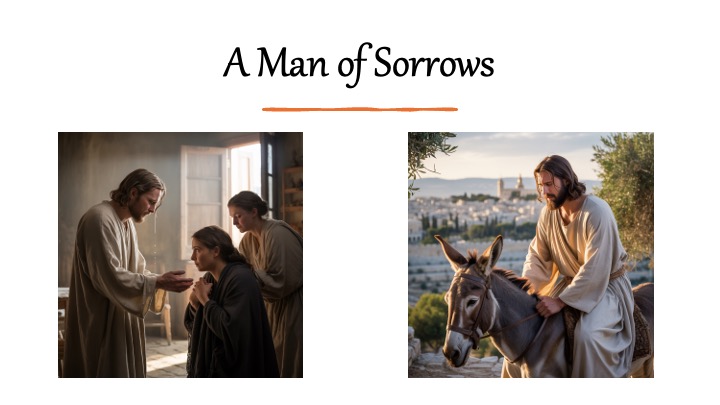
In today’s episode of 10:10 Thrive, we continue our deep exploration of Jesus by focusing on His emotions—specifically, His tears. The shortest verse in...